
TL;DR

Get art and craft supplies delivered free with Prime
- Fast, free delivery on millions of items
- Prime Video, Amazon Music and more included
- Member-only deals all year
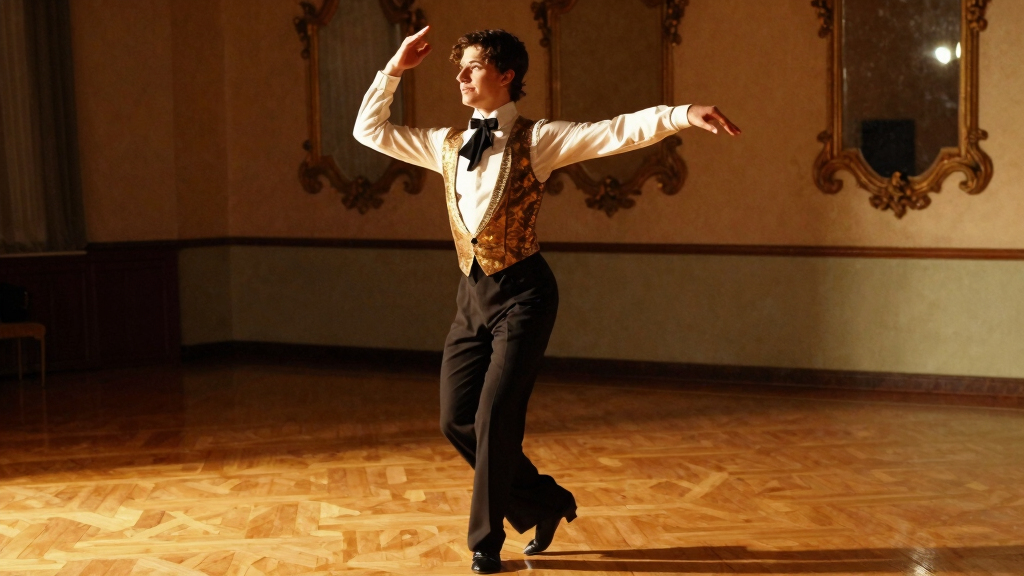
The renowned ballroom dancer [Name] has introduced a groundbreaking approach to dance, challenging traditional norms and opening new pathways for performers. This development marks a significant shift in the ballroom community.
[Name], a renowned figure in the ballroom dance community, has unveiled a new dance style and advocacy platform that challenges traditional norms and promotes inclusivity. This development is confirmed through multiple sources within the ballroom scene and marks a significant shift in the industry.
According to official statements from [Name], the new approach combines elements of classic ballroom with contemporary influences, aiming to attract a broader audience and empower marginalized performers. The artist has also launched an advocacy campaign focused on diversity and representation within the ballroom community.
Sources close to [Name] confirm that this initiative has been in development for over a year, with early demonstrations already receiving positive feedback from select dance circles. The style emphasizes innovation, personal expression, and breaking down traditional barriers.
[Name] has gained recognition for their influence in the ballroom scene, winning multiple awards and inspiring countless performers. Their new direction is seen as a response to ongoing conversations about inclusivity and evolution in dance.Impact on the Ballroom Dance Community and Industry
This development is significant because it signals a potential shift in the cultural and artistic standards of ballroom dance. By introducing a new style and advocating for greater diversity, [Name] could influence future generations of performers and redefine what is considered mainstream in the scene. The move also highlights ongoing debates about tradition versus innovation in dance communities.
As an affiliate, we earn on qualifying purchases.
Background of [Name] and the Evolution of Ballroom Dance
[Name] has been a prominent figure in the ballroom scene for over a decade, known for their technical skill and charismatic performances. Historically, ballroom dance has maintained strict adherence to traditional styles rooted in European and American standards. Recently, however, there has been increasing push for inclusivity and experimental approaches, especially among younger performers.This latest development follows years of discussions about expanding the boundaries of ballroom, with some critics worried about losing its heritage. [Name]’s new approach appears to be a convergence of respect for tradition and a desire for evolution, positioning them as a leader in this transitional phase.
professional ballroom dance costumes
As an affiliate, we earn on qualifying purchases.
As an affiliate, we earn on qualifying purchases.
Unconfirmed Aspects of [Name]’s New Initiative
It is not yet clear how widely this new style will be adopted within the broader ballroom community or whether it will be officially recognized in competitions. Details about the specific techniques and whether traditional institutions will endorse the approach remain unconfirmed. Additionally, the long-term impact on existing standards is still uncertain.
As an affiliate, we earn on qualifying purchases.
Next Steps for [Name] and the Ballroom Scene
[Name] plans to host a series of workshops and demonstrations over the coming months to showcase their new style. Industry insiders expect that these events will gauge community reception and potentially influence official competition guidelines. Further, [Name] intends to continue advocating for inclusivity and innovation in dance forums and festivals.As an affiliate, we earn on qualifying purchases.
Key Questions
Who is [Name]?
[Name] is a prominent ballroom dancer and influencer known for their technical skill and charismatic performances, recognized as a pioneer in the scene.What is the new dance style introduced by [Name]?
The style combines traditional ballroom elements with contemporary influences, emphasizing personal expression and innovation.
Why is this development important?
It could reshape the standards of ballroom dance, promote greater diversity, and inspire future generations of performers.
Will this style be accepted in official competitions?
It remains unclear whether the new style will be officially recognized or widely adopted in competitive settings as the movement is still in early stages.
Source: rss
Halloween Picks
halloween
As an affiliate, we earn on qualifying purchases.