TL;DR

Get art and craft supplies delivered free with Prime
- Fast, free delivery on millions of items
- Prime Video, Amazon Music and more included
- Member-only deals all year
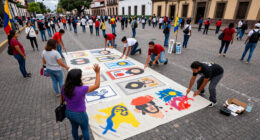
The 30th Gowanus Open Studios took place on a Saturday, drawing visitors to more than 100 participating sites across the Brooklyn neighborhood. Hyperallergic’s report described works focused on the canal, local industry and environmental change as Gowanus faces remediation, new development and gentrification.
Gowanus Open Studios held its 30th iteration in Brooklyn, bringing visitors into more than 100 participating sites across a neighborhood undergoing environmental remediation and waterfront development. Hyperallergic’s report described artists’ work as a record of Gowanus’s industrial past and changing present, with the canal and its surrounding streets recurring as subjects.
Visitors encountered studios and other participating spaces spread through Gowanus’s post-industrial buildings, including stairwells, hallways and entrances that are not necessarily obvious from the street, a feature also noted in this account of Bushwick Open Studios. Hyperallergic reporter Rhea Nayyar wrote that after spending six hours at the event, she had covered only a small part of the more than 100 sites. The report does not provide an overall attendance figure.
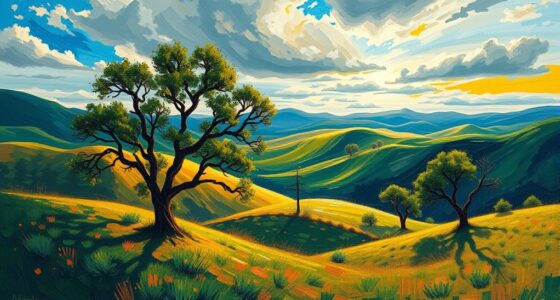
Some works documented the canal and the neighborhood’s streets as they change. The report describes plein-air work addressing water remediation and paintings recording familiar corners. At her studio at 543 Union Street, landscape artist Elizabeth O’Reilly showed paintings and collages reflecting the area’s architecture and the canal’s surface. O’Reilly has kept a studio on the block near the Union Street Bridge since 1992; much of the work she displayed dated from the late 2000s and early 2010s.
Hyperallergic also described sculpture by Lesley Kushner, including figurative works made of beeswax. The report frames the event as a meeting point between artistic practice and a neighborhood in flux, rather than as a single exhibition with one theme or venue. It offers examples from the reporter’s visit, not a complete catalogue of participating artists or work.
Artists Record Gowanus in Flux
The event’s 30th year offers a view of how artists are responding to changes visible in the neighborhood: canal cleanup, new construction and shifts in the built environment. Artworks documenting streets and water can preserve details of places that may be altered as development proceeds, while also giving visitors a way to encounter the neighborhood beyond its redevelopment plans.
That record is relevant to residents, artists and visitors because the changes are not only aesthetic. The source report describes a canal with a legacy of industrial pollution and continuing problems, including sewage overflow during rain. It also notes luxury high-rises under construction near the waterfront. The open-studio format puts these overlapping realities in view through work made by people who live or maintain studios in the area, without resolving the tensions among remediation, development and displacement.
The event’s scale also matters: with more than 100 sites, it gives visitors access to a dispersed creative community rather than presenting Gowanus through a single gallery or institution. The source does not establish how representative the participating artists are of the entire neighborhood, but the works described show how local creative practice can serve as a record of place during rapid change.
As an affiliate, we earn on qualifying purchases.
From Industrial Canal to Superfund Site
Gowanus developed around a canal shaped by industrial and infrastructure uses. The report describes the waterway as polluted and notes that the Environmental Protection Agency designated it a Superfund site in the late 2000s, around the period when much of O’Reilly’s displayed work was made. The federal designation placed the canal within a cleanup process; the article does not give a current project timetable or detailed measures of progress.
O’Reilly’s studio history offers one long view of the neighborhood. She has worked on the same Union Street block since 1992, and her paintings and collages span years when the canal’s pollution and future were prominent concerns. The source contrasts that industrial legacy with newer waterfront construction, including luxury residential buildings, while observing that the canal still has environmental and infrastructure problems.
Open Studios connects these periods through work made and shown locally. The 30th iteration was not reported as a policy announcement or a formal assessment of cleanup. Its significance in the source lies in the artists’ varied responses to a neighborhood where environmental repair, construction and changes to street life are happening at once.
As an affiliate, we earn on qualifying purchases.
Attendance and Cleanup Details Remain Open
The report does not specify the event’s calendar date, total attendance, the full list of participating sites, or how many visitors took part. Nayyar’s account is based on a six-hour visit and covers only a small fraction of the more than 100 locations, so it cannot establish how the full event was experienced.
The source also does not provide updated measurements of canal conditions, a timeline for remediation, or details about the environmental effects of nearby construction. It describes the canal as continuing to smell and to flood with raw sewage when it rains, but gives no data or official statements to quantify those conditions. O’Reilly’s comments and the report’s description of the neighborhood are attributed observations, not a comprehensive assessment of cleanup or development.
It is also unclear from the article whether any works or studios were directly connected to particular redevelopment projects, or whether the event’s organizers made statements about the neighborhood’s future. Those questions would require information beyond the reported visit.
watercolor paints for landscape art
As an affiliate, we earn on qualifying purchases.
As an affiliate, we earn on qualifying purchases.
Studios Close; Neighborhood Changes Continue
The source describes the 30th-iteration event and the art encountered there; it does not announce another date or a specific follow-up program. Readers seeking information about future open-studio weekends would need to check announcements from the event’s organizers. No next milestone is identified in the report.
The larger developments that shaped the artists’ work remain ongoing subjects: canal remediation, construction near the waterfront and changes to Gowanus’s streets and creative spaces. The article does not state when cleanup work or current building projects will be completed. Future reporting and updates from relevant agencies would be needed to establish those timelines and to assess how conditions in the neighborhood change.
As an affiliate, we earn on qualifying purchases.
Key Questions
What happened at the 30th Gowanus Open Studios?
The event opened more than 100 participating sites across Gowanus to visitors. Hyperallergic reported on studios and works addressing the neighborhood, the canal and environmental change.
Where was the event held?
It took place across the Gowanus neighborhood in Brooklyn, in multiple studios and other sites. The source does not identify a single central venue or provide a complete venue list.
What subjects did the artists address?
Works described in the report included paintings and collages of the canal and local architecture, outdoor work focused on remediation and changing streets, and figurative beeswax sculptures by Lesley Kushner.
What did Elizabeth O’Reilly say about Gowanus?
O’Reilly, who has maintained a studio on Union Street since 1992, said the neighborhood’s transformation made her “a bit sad.” Her displayed work included paintings and collages of the canal and its surroundings.
When will the next Gowanus Open Studios take place?
The source report does not give a date for a future event. Organizers’ announcements would be needed to confirm when the next iteration is scheduled.
Source: rss
Halloween Picks
halloween
As an affiliate, we earn on qualifying purchases.