
TL;DR

Get art and craft supplies delivered free with Prime
- Fast, free delivery on millions of items
- Prime Video, Amazon Music and more included
- Member-only deals all year
Hundreds protested outside Colombia’s National Museum in Bogotá after the government ordered about 30 works and historical objects removed from display. President Abelardo De La Espriella said the order targeted material he described as odes to terrorism; museum leaders and arts organizations condemned the removals and urged the government to reverse them. The works’ status and whether they will return to display remain unclear.
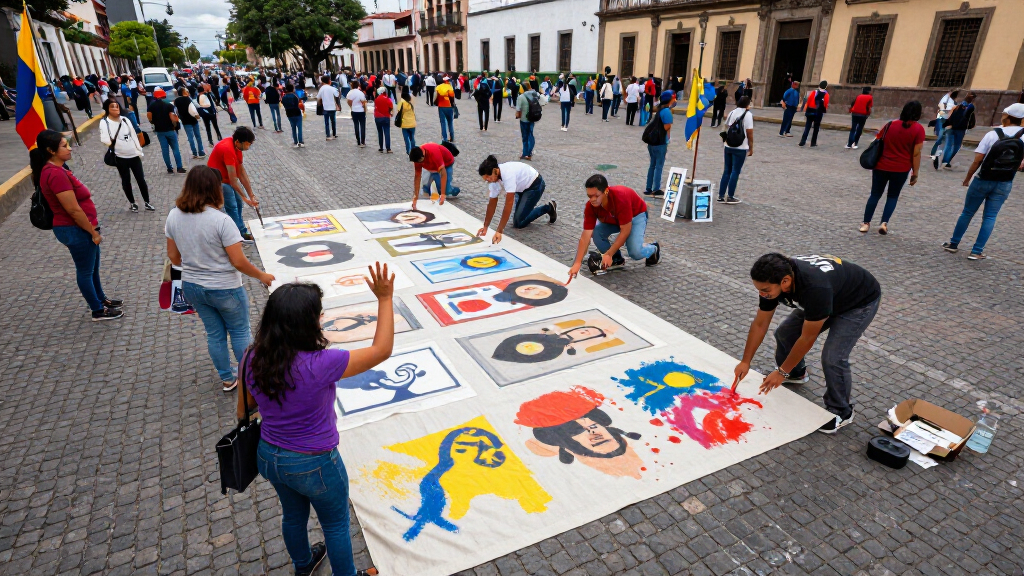
Hundreds of people protested outside Colombia’s National Museum in Bogotá over the weekend after President Abelardo De La Espriella’s government ordered about 30 works and historical objects removed from display. The affected material addressed political violence, the 2016 peace agreement with the FARC, women’s rights and LGBTQ+ history, making the dispute a flashpoint over how the national institution presents contested parts of the country’s past.
The items were removed from the Museo Nacional de Colombia the previous week under a directive from De La Espriella. He said he had instructed Culture Minister Paola Holguín to remove what he called “odes to terrorism,” naming former guerrilla commander Carlos Pizarro Leongómez, who was assassinated in 1990. The source report describes De La Espriella as Colombia’s far-right president.
Among the withdrawn objects were a photograph by Humberto Rincón Perfetti from an LGBTQ+ rights march, a Pride Flag that belonged to activist Elizabeth Castillo and a pamphlet about women’s reproductive rights. Other removed material addressed the assassinations of Pizarro and Patriotic Union Party leader Bernardo Jaramillo Ossa. The items also included a pen made from a bullet, used to sign the 2016 peace agreement between the government and the Revolutionary Armed Forces of Colombia (FARC).
De La Espriella’s order prompted condemnation from arts organizations. Directors of six modern art museums issued a joint statement expressing “deep concern” and asking Holguín to reverse the decision. A representative for the National Museum referred press questions to the Culture Ministry. The ministry, in turn, pointed reporters to Holguín’s posts on X, where she said the museum should not be an “instrument of political indoctrination” or a platform for what she called biased accounts of history.
A Dispute Over Who Tells Colombia’s History
The removals affect not only individual artworks but also the public record presented by a national museum. The targeted material documents communities and events often left outside official narratives, including LGBTQ+ and feminist movements, state violence and the peace process. Whether those objects remain accessible to visitors may shape how the museum interprets conflict and social change.
The protest also puts the government’s stated opposition to political indoctrination in direct tension with the museum leaders’ view that institutions must present difficult and uncomfortable histories. The dispute has drawn attention beyond Bogotá: leaders from museums in several Colombian cities joined the call for the decision to be reversed. The consequences for the museum’s collections and public programming have not yet been detailed.
As an affiliate, we earn on qualifying purchases.
The Gallery and the Removed Objects
Most of the affected pieces were displayed in the National Museum’s “Making Society” gallery, opened in 2019. The museum described that gallery as examining processes of coexistence, resistance and social revendication. Other material was shown in a section on socially engaged printmaking and photography from the 1950s and 1960s. The removed works included pieces by artists Antonio Caro and Luis Caballero.
The pen made from a bullet was created by Colombia’s Ministry of Education under then-President Juan Manuel Santos and used at the signing of the 2016 agreement with the FARC. It bears the inscription, “Bullets wrote our past, education will write our future.” That history gives the removal particular weight: the object connected the end of negotiations to a public account of conflict and reconciliation.
The report places the museum order within a broader period of cultural-sector dispute. In September, the Culture Ministry suspended a long-running federal support program for artists and creative workers, drawing criticism. Independent curator Jaime Cerón told Hyperallergic that the government’s cultural changes represented a setback for the rights of communities that had faced marginalization or censorship. That is his assessment; the government’s stated rationale for the museum decision is that it should not promote politically biased history.
““All those odes to terrorism featuring Pizarro and the other terrorists are removed from public places.””
— President Abelardo De La Espriella, as quoted in the report
As an affiliate, we earn on qualifying purchases.
The Works’ Status Remains Unreported
The available report does not say whether the removed objects have been transferred to storage, whether they remain accessible elsewhere, or whether the government plans to return any of them to display. It also does not give a detailed inventory of all approximately 30 affected items or explain whether the order applies only to the National Museum or to other public institutions.
The museum referred inquiries to the Ministry of Culture, and the ministry pointed to the minister’s social-media statements. The report does not include a detailed written explanation from the ministry addressing each object or the process used to select them. The protest account describes police in riot gear outside the museum, but the available material does not establish whether anyone was injured or detained.
As an affiliate, we earn on qualifying purchases.
Calls for Reversal Face a Government Response
The immediate next question is whether Culture Minister Holguín or the National Museum will respond to the museum directors’ request and restore the objects to public display. The government has not, in the source material, announced a reversal, a review timetable or an alternative way for visitors to access the material.
Further reporting may clarify the full list of affected works, their present location and the museum’s plans for its galleries. Until those details are provided, the confirmed development is the removal order and the protests and public criticism it has prompted—not a final decision on the objects’ long-term status.
As an affiliate, we earn on qualifying purchases.
Key Questions
Why did people protest outside Colombia’s National Museum?
They protested after the government ordered about 30 works and objects removed from display, including material on political violence, women’s rights, LGBTQ+ history and the peace process.
Who ordered the works removed?
President Abelardo De La Espriella said he had instructed Culture Minister Paola Holguín to remove the material he characterized as odes to terrorism.
What kinds of objects were taken down?
The report identifies a photograph from an LGBTQ+ rights march, an activist’s Pride Flag, a reproductive-rights pamphlet, materials about two assassinated political figures and a bullet-made pen used to sign the 2016 agreement with the FARC.
Have the objects been returned to the museum?
The available report does not say whether the objects have been returned, placed in storage or made accessible elsewhere. Museum directors have asked the culture minister to reverse the decision.
What has the Culture Ministry said?
The ministry directed reporters to Holguín’s posts on X. She said the museum should not be used for political indoctrination or to spread biased versions of history.
Source: rss
Halloween Picks
halloween
As an affiliate, we earn on qualifying purchases.