

Market trends strongly influence your collecting decisions by shaping how you perceive value and triggering emotional reactions. When hype and media coverage focus on certain items, you may feel pressured to buy quickly out of fear of missing out or scarcity. These trends can lead you to prioritize popular items over your genuine interests, often resulting in impulsive choices. Understanding these influences helps you make smarter decisions—exploring these factors further can reveal how to navigate the market wisely.
Key Takeaways
- Market trends influence collector behavior through media hype, fostering FOMO and impulsive purchasing.
- Supply fluctuations cause price volatility, impacting the timing and strategy of collecting decisions.
- Herd mentality and popularity of genres or artists can lead collectors to prioritize trendy items over personal interests.
- Perceived scarcity and rising values create urgency, prompting quick buying decisions to avoid higher prices later.
- Awareness of psychological and market dynamics helps collectors make more informed, long-term collecting choices.
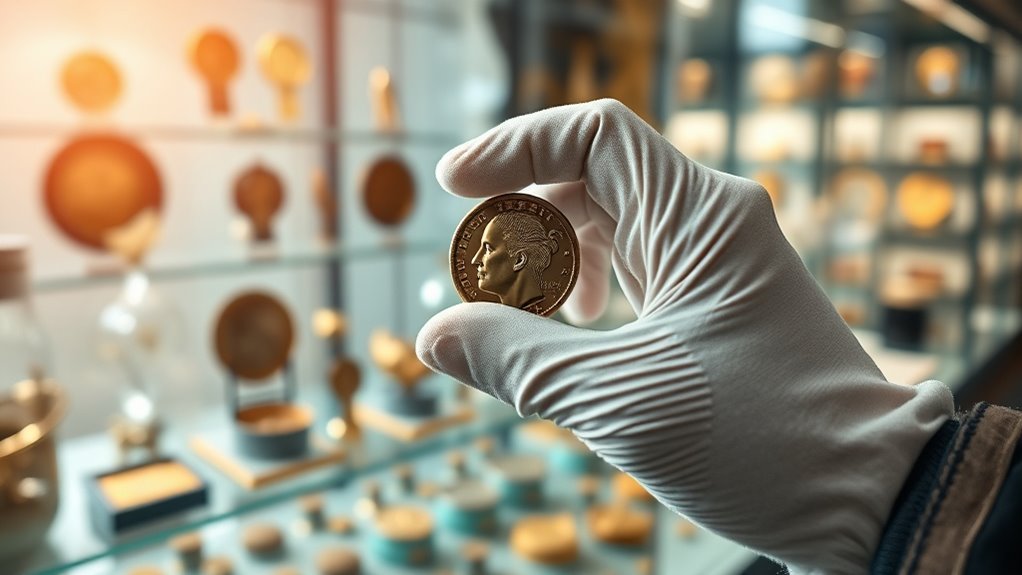
Have you ever wondered how market trends influence your collecting decisions? It’s a question that taps into the core of what drives many collectors. When you’re hunting for that rare item or adding to your collection, you’re not just acting on personal preference—you’re also influenced by broader market forces. Supply fluctuations, for instance, play a significant role. When certain items become scarce due to limited supply or increased demand, their prices tend to spike. This can make you rethink whether to buy now or wait for prices to drop. Conversely, if a particular collectible floods the market, prices decline, and you might feel more comfortable making a move. These supply shifts can create a rollercoaster effect, influencing your purchasing timing and overall strategy.
Beyond supply, collector psychology deeply impacts how market trends shape your decisions. As a collector, you’re often influenced by what others are buying or what’s perceived as valuable at the moment. When a specific genre, artist, or era gains popularity, you might feel compelled to acquire items in that category, fearing you’ll miss out or that their value will skyrocket. This herd mentality can lead you to prioritize trendy collectibles over your genuine interests, sometimes causing regret later. Market hype and media coverage amplify these feelings, reinforcing the idea that certain items are must-haves. Your emotional response—whether excitement or FOMO (fear of missing out)—can sway your choices more than logical assessment. Additionally, awareness of market trends and consumer behavior can help you better interpret these influences.
Collector psychology drives trends, making us chase popular items out of fear of missing out or missing value.
Market trends also create a sense of urgency. When a collectible’s value is climbing rapidly, you might feel pressured to buy quickly, fearing prices will only go higher. Alternatively, if the market cools down, you may hesitate, waiting for the right moment. Your perception of value shifts with these trends, often driving you to make impulsive decisions or hold back altogether. This dynamic is further complicated by the psychology of scarcity—when items are perceived as rare or declining in supply, their desirability increases, prompting quick buying decisions. Understanding the interplay between supply fluctuations and collector psychology can help you make more informed choices, avoiding impulsive buys driven by market noise and focusing on what truly interests you.
Ultimately, market trends serve as a backdrop that influences your collecting journey. Recognizing how supply fluctuations and collector psychology impact your decisions allows you to stay more grounded. It’s about balancing market signals with your authentic interests, so you don’t get swept up in fleeting trends. By understanding these forces, you can better navigate the ups and downs of the market, making smarter, more deliberate decisions that align with your long-term collecting goals.
Frequently Asked Questions
How Do Rare Market Spikes Influence Collector Behavior?
When rare market spikes occur, you’re likely to see collector behavior shift due to heightened market speculation and increased rarity perception. You might rush to buy items before prices soar, driven by fear of missing out. These spikes make collectors view certain pieces as more valuable, fueling the cycle. Your decisions become more speculative, often leading to quick acquisitions based on perceived scarcity and the hope of future profit.
What Role Do Social Media Trends Play in Collecting Decisions?
Think of social media trends as a compass guiding your collecting journey. You’re influenced by social media influence and trend forecasting, which highlight popular items and emerging interests. This digital wave shapes your decisions, making you enthusiastic to acquire what’s trending. By paying attention to these online currents, you stay ahead of the curve, ensuring your collection reflects the latest passions and market movements.
How Do Economic Downturns Affect Collecting Investments?
During economic downturns, you’ll likely see investment diversification become even more critical, as it helps cushion against losses. You might also face increased pricing volatility, making it harder to predict value changes. To protect your collection investments, stay flexible, monitor market shifts closely, and avoid putting all your funds into a single asset. This approach helps you manage risks and preserve your collection’s value during tough economic times.
Can International Market Shifts Alter Local Collecting Preferences?
International market shifts can reshape your collecting preferences like a tide changing the shoreline. When global demand rises or falls, it influences what’s popular locally, driven by cultural influences and changing tastes. You might find yourself drawn to items gaining international attention or shifting away from once-trendy pieces. These global currents steer your collection’s direction, blending local passion with worldwide trends, ensuring your collection remains alive and evolving.
What Psychological Factors Impact Collectors During Market Fluctuations?
During market fluctuations, your collector confidence can waver, making you question the worth of your collection. You might perceive valuation shifts as threats or opportunities, influencing your decisions. If you trust your judgment and stay informed, you’ll maintain a stable perception of value, helping you resist impulsive moves. Recognizing these psychological factors allows you to navigate market changes more rationally, preserving your passion and investment in collecting.
Conclusion
As you navigate the shifting landscape of market trends, remember that every decision you make could shape your collection’s future in ways you haven’t yet imagined. Will you adapt quickly enough to seize emerging opportunities, or will you miss the chance to redefine your collection’s value? The next move is yours—stay alert, keep questioning, and the surprises that lie ahead might just transform your collecting journey in ways you never saw coming.