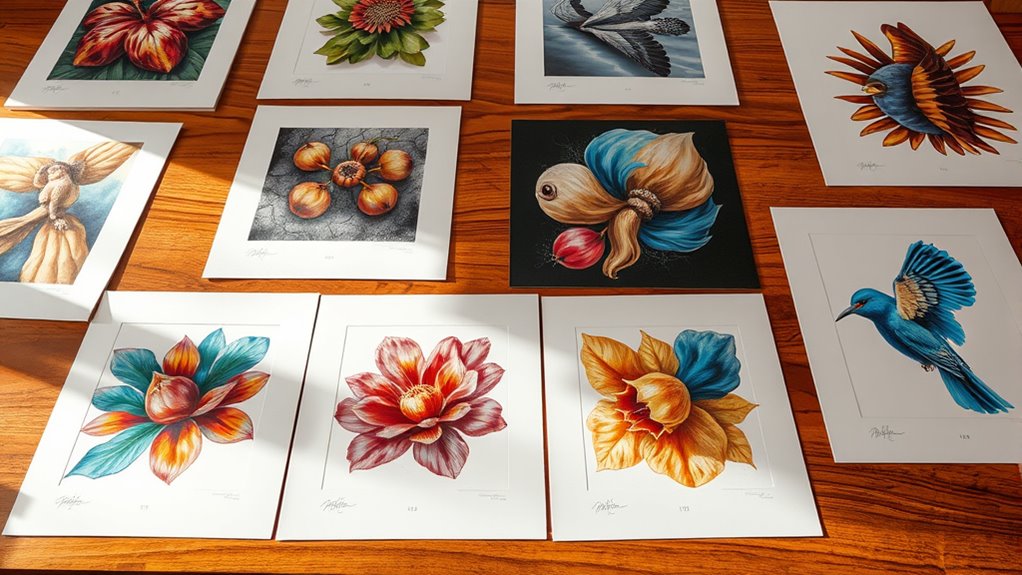

When collecting prints, focus on editions, signatures, and provenance to determine authenticity and value. Smaller editions are rarer and more desirable, especially if signed by the artist, which boosts their worth. Always check for a clear signature and proper number designation. Provenance and condition further impact a print’s desirability, helping you avoid reproductions and forgeries. Mastering these aspects will guide you in making confident choices—discovering more about how to build a valuable, authentic collection.

Get art and craft supplies delivered free — and shop member deals
- Fast, free delivery on millions of items
- Access to Prime Big Deal Days deals on October 6–7
- Prime Video, Amazon Music and more included
Key Takeaways
- Verify if the print is part of a limited edition, noting the total number of copies to assess rarity.
- Check for the artist’s signature near the bottom to confirm authenticity and increase value.
- Understand the printmaking technique used, as hand-etched or unique methods add to a print’s desirability.
- Research provenance and condition to ensure authenticity and preserve long-term value.
- Recognize signs of reproductions or forgeries to avoid undervalued or inauthentic prints.
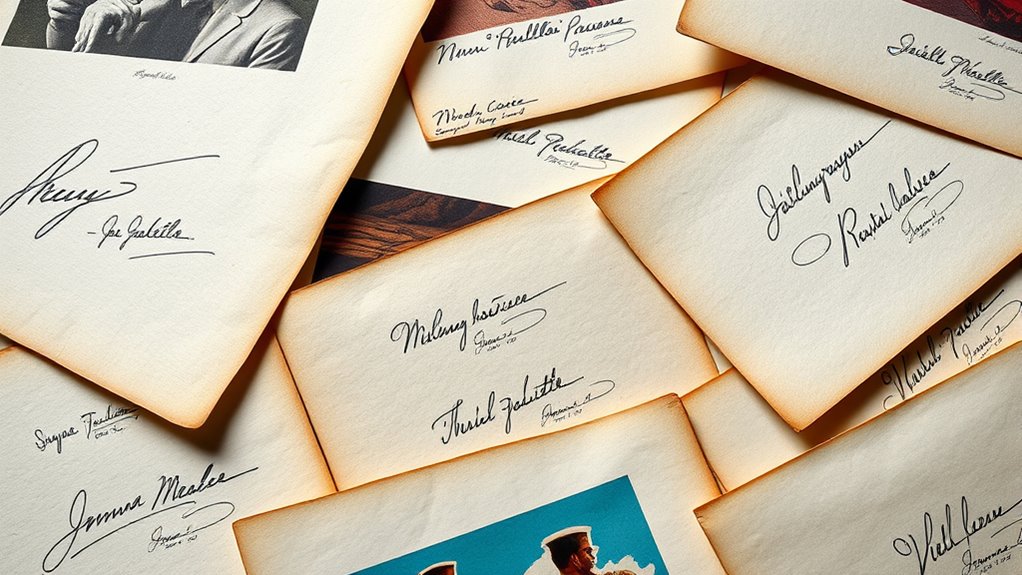
Ever wondered how to start collecting prints? The first step is understanding printmaking techniques, which directly influence a print’s uniqueness and value. Different methods—such as lithography, etching, woodcut, or screen printing—each produce distinct qualities and appeal. Learning about these techniques helps you recognize the nuances that make a print special. For example, a hand-etched etching might carry more artistic integrity than a mechanically produced screen print. Familiarizing yourself with these methods allows you to assess a print’s originality and craftsmanship, essential factors in determining its worth. Additionally, understanding the history behind each technique can deepen your appreciation and help you identify authentic works.
Another important aspect is artist signatures. When you examine a print, look for the artist’s signature—usually found near the bottom of the print. An original signature can notably increase a print’s value and authenticity. Some artists sign each print in a limited edition, making those pieces more desirable and collectible. Be cautious, though; reproductions or unsigned prints tend to be less valuable. Understanding the significance of artist signatures helps you distinguish between genuine, limited-edition works and mass-produced copies. It’s also worth noting that some prints include a numbered edition, such as 10/50, indicating it’s the tenth print out of fifty, which can influence its desirability and price.
The edition size plays a key role in a print’s value. Smaller editions are generally more sought after, as they’re rarer. When you’re evaluating a print, check if it’s part of an edition and how many copies exist. Limited editions usually feature a certificate of authenticity, further confirming the print’s legitimacy. This is especially important if you’re investing in prints for their potential appreciation. The combination of printmaking techniques, artist signatures, and edition size helps you gauge the overall value and collectibility of a piece.
Furthermore, researching print provenance** can provide insight into a print’s background and authenticity, adding to its value. As you start your collection, pay attention to provenance—the history of ownership—and condition. Prints with a clear provenance and in pristine condition tend to hold their value better. Over time, educating yourself about different printmaking techniques and signatures will make you a more confident collector. You’ll develop an eye for authentic, high-quality works and avoid common pitfalls like reproductions or forgeries. Remember, building a collection isn’t just about acquiring valuable pieces; it’s about appreciating the craftsmanship and history behind each print. With knowledge and careful judgment, you’ll be able to spot treasures that resonate with your taste and investment** goals.
Frequently Asked Questions
How Can I Authenticate Limited Edition Prints?
To authenticate limited edition prints, you should use print authentication techniques like examining the print’s provenance and checking for official certificates. Focus on artist signature verification, ensuring signatures match known examples and are placed correctly. Look for consistent numbering and edition details. Consult experts or appraisers who can verify authenticity using specialized tools. These steps help confirm the print’s legitimacy and protect your investment.
What Are the Common Signs of a Genuine Signed Print?
You can tell a genuine signed print by examining the print signing techniques, which should look consistent and professional. Check if the signature matches the artist’s known style and placement. The edition numbering significance also matters; authentic prints often have clear, evenly written numbers like “A/P” or “1/50.” Be cautious of shaky or inconsistent signatures, as they might indicate a forgery, so verify signatures against trusted examples whenever possible.
How Does Print Rarity Affect Its Market Value?
Did you know rare prints can be worth up to 10 times more than common ones? Print rarity substantially impacts market valuation because fewer copies mean higher demand among collectors. When you find a rare print, its scarcity makes it more desirable, often increasing its value. So, if you’re looking to invest or collect, focusing on rare prints can maximize your return and enhance your collection’s overall worth.
What Should I Know About Print Provenance and History?
You should know that print provenance and history reveal an artwork’s authenticity and previous ownership, which influence its value. Understanding the artist’s techniques and the print’s origin helps verify its significance. As a collector, you must consider ethical practices, ensuring provenance is transparent and respected. This knowledge deepens your appreciation, confirms legitimacy, and aligns with collector ethics, ultimately safeguarding your investment and preserving the print’s historical integrity.
Are There Specific Storage Tips to Preserve Print Quality?
Imagine your print resting in a cozy, protected space. To keep it pristine, use framing techniques that include UV glass and acid-free mats, shielding it from light and pollutants. Store your print in a cool, dry environment with stable temperature and humidity, avoiding direct sunlight and fluctuating conditions. Proper storage conditions and thoughtful framing can preserve its vibrant details and delicate paper for decades.
Conclusion
Now that you understand the world of prints, signatures, and editions, you’re better equipped to navigate this artful journey. Remember, each print is a story waiting to be told—don’t let its value slip through your fingers like shadows at dusk. With keen eyes and a discerning eye, you’ll uncover hidden treasures and build a collection that echoes with history and passion. So, go forth—your next masterpiece awaits just beyond the horizon.
Halloween Picks
halloween
As an affiliate, we earn on qualifying purchases.