Gouache combines opaque and transparent qualities, giving you the ability to build vibrant, layered artwork with both bold and subtle effects. You can layer opaque paint for rich depth while allowing transparent washes to create luminous shifts. By manipulating paint consistency and applying various techniques like glazing or scraping, you can achieve textures and effects that add complexity and interest. Continuing will reveal even more ways to access gouache’s full potential in your art.

Get art and craft supplies delivered free with Prime
- Fast, free delivery on millions of items
- Prime Video, Amazon Music and more included
- Member-only deals all year
Key Takeaways
- Gouache blends opacity and transparency, allowing artists to create depth, luminous effects, and subtle color transitions in their work.
- Layering techniques enable building rich textures and intricate details without disturbing underlying colors.
- Adjusting paint consistency (water added or straight from tube) controls the transparency or opacity of each layer.
- Combining wet-on-wet blending with dry brushing creates a variety of textures and luminous or matte finishes.
- Texture techniques such as scraping or thick application enhance visual interest while integrating opaque and transparent layers.

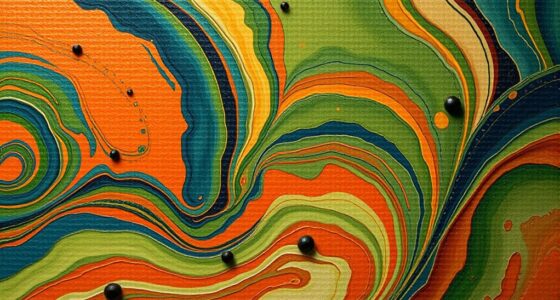
Have you ever wondered what makes gouache painting stand out among other art mediums? It’s the way you can achieve a unique combination of opacity and transparency, giving your artwork depth and vibrancy. One of the key aspects that set gouache apart is its versatile ability to blend colors smoothly while still allowing for bold, opaque layers when needed. This dual nature invites you to experiment with color blending—gradually merging hues to create seamless transitions or striking contrasts. Unlike watercolor, gouache’s opacity lets you layer colors without disturbing the underlying layers, but you can also manipulate the transparency to produce delicate washes or luminous effects. This flexibility makes it an excellent choice for artists seeking both subtle gradations and bold statements within a single piece.
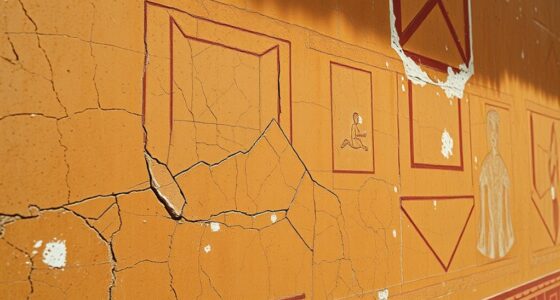
When exploring texture techniques, gouache offers a variety of options that enhance your artistic expression. You can apply the paint thickly to create a textured, almost sculptural surface, or use it sparingly to achieve a smooth, flat finish. Using tools like palette knives, sponges, or even dry brushes, you can add physical texture that brings your work to life. The matte finish of gouache further emphasizes these textures, making them more noticeable and impactful. Layering is vital here; building up multiple coats can add richness and depth, while scraping away parts of dried paint can reveal underlying layers and create interesting visual effects. These texture techniques allow you to craft intricate details or bold, expressive strokes, depending on your artistic intent.
Because gouache reacts well to both wet and dry applications, you can incorporate various techniques to expand your creative possibilities. Wet-on-wet blending enables you to mix colors directly on the surface, producing soft, fluid transitions. Conversely, dry brushing or stippling can introduce rougher textures and highlight details. The key is to understand how to manipulate the paint’s consistency—adding water to thin it out for transparent washes or using it straight from the tube for opaque coverage. This control over texture and blending empowers you to develop your own style, whether you aim for a luminous, layered effect or a more textured, tactile surface. Ultimately, mastering these techniques transforms gouache from just another medium into a powerful tool for expressive, dynamic artwork.
As an affiliate, we earn on qualifying purchases.
Frequently Asked Questions
Can Gouache Be Used on Non-Paper Surfaces?
Yes, you can use gouache on non-paper surfaces like canvas, wood, or even fabric. Just make sure to prepare the surface properly—clean it and apply a primer if needed—to guarantee good adhesion. Gouache offers various texture options on these surfaces, allowing you to experiment with matte or slightly glossy finishes. Keep in mind, some surfaces may absorb more paint, so you might need to adjust your technique or use additional layers.
How Long Does Gouache Paint Stay Workable?
Think of your gouache as a fleeting whisper, remaining workable for about 10-15 minutes before it begins to set. If you need more time, use rewetting techniques like misting with water or gently blending edges. Keep in mind, drying time varies with thickness and environmental conditions. To extend your workability, stay patient, and rehydrate your paint as needed, allowing your creative flow to stay uninterrupted.
Is Gouache Suitable for Outdoor Artwork?
Gouache isn’t the best choice for outdoor artwork due to its limited outdoor durability and weather resistance. You’ll find it prone to damage from moisture, UV rays, and temperature changes. If you want your outdoor piece to last, consider using acrylics or outdoor-specific paints that withstand weather conditions better. Gouache works great indoors, but for outdoor projects, opt for media designed to handle the elements.
What Are the Best Cleaning Methods for Gouache Brushes?
To keep your gouache brushes in top shape, you should prioritize good brush maintenance by cleaning them promptly after each session. Use lukewarm water and mild soap or brush cleaner, gently working the bristles to remove paint. Rinse thoroughly, reshape the bristles, and let them air dry. These cleaning techniques prevent paint buildup and maintain brush quality, ensuring smooth strokes and longer-lasting tools.
Can Gouache Be Mixed With Other Mediums Effectively?
Yes, you can mix gouache with other media effectively by considering media compatibility and using proper mixing techniques. For example, combine gouache with watercolor for transparent effects or with acrylics for added texture. Always test small amounts first to see how they interact. Stir thoroughly to guarantee even blending, and be mindful of drying times and finish differences to achieve the desired result without compromising your artwork.
professional gouache paints with opaque and transparent options
As an affiliate, we earn on qualifying purchases.
As an affiliate, we earn on qualifying purchases.
Conclusion
So, after all this talk about the magic of gouache, you might think it’s just another paint option. But watch out—its blend of opacity and transparency can easily fool you into thinking you’re in control, only to surprise you with a tricky, unpredictable finish. Ironically, the very qualities that make gouache so versatile also demand your respect and patience. Embrace the challenge, and you’ll find your artwork uniquely vibrant, even if it doesn’t always go as planned.
As an affiliate, we earn on qualifying purchases.
gouache texture tools for artists
As an affiliate, we earn on qualifying purchases.
As an affiliate, we earn on qualifying purchases.
Halloween Picks
halloween
As an affiliate, we earn on qualifying purchases.