When choosing between water-based and oil-based inks, consider your project’s environmental goals, substrate, and durability needs. Water-based inks are eco-friendly, easy to clean, and ideal for porous surfaces, but may fade faster outdoors. Oil-based inks offer vibrant, long-lasting colors on non-porous surfaces like plastic or metal, though they involve harsher solvents. To make the best decision, look into the specific advantages and trade-offs—more details will help you select the perfect ink for your project.
Open a free Amazon Business account
Business pricing, bulk buying and tax-exempt orders.
As an affiliate, we earn on qualifying purchases.
Key Takeaways
- Opt for water-based inks for eco-friendliness, easier cleanup, and lower VOC emissions, especially in environmentally regulated projects.
- Choose oil-based inks for enhanced color durability, vibrant finishes, and suitability for non-porous surfaces like plastic or metal.
- Consider water-based inks for porous substrates such as paper and fabric, offering a softer matte finish.
- Use oil-based inks when long-lasting, moisture-resistant, and high-gloss finishes are required, especially for outdoor or archival use.
- Prioritize water-based inks for safety, affordability, and sustainability, while oil-based inks may involve handling solvents and higher costs.
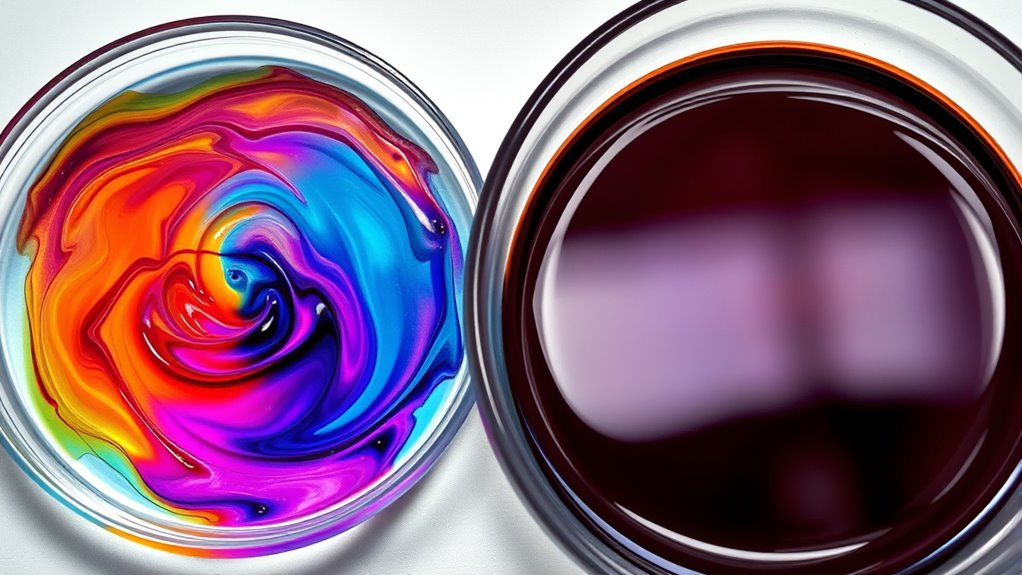
When deciding between water-based and oil-based inks, understanding their differences is essential to making the right choice for your project. Both types have unique characteristics that influence their environmental impact and color durability, which are vital factors in selecting the best ink for your needs. Water-based inks are generally more environmentally friendly, as they contain fewer volatile organic compounds (VOCs) and produce less harmful emissions during application. This makes them a popular choice if you’re aiming for a greener production process or need to meet strict environmental regulations. On the other hand, oil-based inks tend to have a higher environmental impact due to their solvent content, which can emit more VOCs and contribute to pollution if not handled properly. If sustainability is a priority, water-based inks often present a more responsible option.
Water-based inks are more eco-friendly, emitting fewer VOCs and producing less harmful emissions during use.
Color durability is another key aspect to consider. Oil-based inks typically excel in this area because they penetrate the substrate more deeply and form a more permanent bond. This results in vibrant, long-lasting colors that resist fading over time, making oil-based inks ideal for projects that require durability, such as outdoor signage or archival prints. In contrast, water-based inks might not match the same level of longevity, especially in environments exposed to moisture or sunlight, where colors can fade more quickly. However, advances in water-based formulations have improved their colorfastness, and for many indoor applications, they offer sufficient durability. If your project demands maximum color retention and longevity, oil-based inks are often the better choice. Additionally, considering the cost and availability of each ink type can influence your decision, as water-based inks are often more affordable and easier to access.
Choosing between the two also involves considering how each ink interacts with different substrates and printing methods. Water-based inks work well on porous surfaces like paper and fabric, providing a softer, more matte finish. Oil-based inks, meanwhile, are better suited for non-porous surfaces such as plastic or metal, offering a glossier appearance and enhanced durability. The ease of cleanup and safety during handling are additional factors; water-based inks are generally easier and less hazardous to work with, requiring only water for cleaning, whereas oil-based inks need solvents, which can pose health and environmental risks.
Ultimately, your decision hinges on balancing environmental considerations with the need for long-lasting, vibrant results. If you prioritize eco-friendliness and easier cleanup, water-based inks are a strong choice. If your project demands maximum durability and color intensity, oil-based inks may serve you better. By understanding these distinctions, you can select the ink that aligns with your project’s goals, ensuring both quality and responsibility in your work.
As an affiliate, we earn on qualifying purchases.
Frequently Asked Questions
Which Ink Type Is More Environmentally Friendly?
You might wonder which ink type is more eco-friendly. Water-based inks generally have fewer harmful chemicals, making them better eco-friendly options. They also often require less energy to produce and clean up, supporting recycling considerations. Oil-based inks tend to contain more volatile organic compounds (VOCs), which can harm the environment. So, if you’re aiming for a greener choice, water-based inks usually align better with sustainability goals.
How Do Ink Types Affect Print Durability?
Imagine your print as a lasting masterpiece. The ink type directly impacts durability through ink adhesion and drying time. Oil-based inks typically provide a tougher finish, resisting smudges and scratches, making your print more durable. Water-based inks might dry faster, but they can sometimes be less resilient over time. So, think about your project’s needs—if durability matters most, oil-based inks could be the better choice for you.
Are Water-Based Inks Suitable for Outdoor Applications?
You might wonder if water-based inks suit outdoor use. Generally, they offer good color vibrancy but may lack UV resistance, which can cause fading over time. If you need long-lasting outdoor prints, consider coatings or additives to improve UV resistance. For vibrant, eco-friendly results, water-based inks work well, but for durability against weather, guarantee they’re specially formulated or protected to withstand sun exposure and environmental elements.
Can I Switch Ink Types Without Equipment Modifications?
Wondering if you can switch ink types without modifications? You can, but you need to carefully consider ink compatibility and drying times. Mixing incompatible inks may cause printing problems, smudging, or poor adhesion. Check manufacturer guidelines before switching to verify your equipment handles the new ink. You might need minor adjustments, but significant modifications are typically unnecessary if the inks are compatible. Always test before full production to prevent problems.
What Are the Health Risks Associated With Each Ink Type?
When considering health risks, you should be conscious of ink toxicity and skin irritation. Water-based inks tend to be less toxic and cause fewer skin issues, making them safer for prolonged handling. Oil-based inks, however, often contain solvents that can lead to more significant skin irritation and health concerns if inhaled or absorbed through the skin. Always use proper protective gear and ensure good ventilation to minimize these risks.
oil-based ink for industrial use
As an affiliate, we earn on qualifying purchases.
As an affiliate, we earn on qualifying purchases.
Conclusion
Ultimately, the choice between water-based and oil-based inks hinges on your specific needs. Some believe water-based inks are more eco-friendly, but recent innovations show oil-based options are becoming cleaner. It’s worth exploring both, as the old theory that one is always better may not hold true. Testing different inks could reveal surprising results, helping you make an informed decision. Don’t settle; experiment and discover which ink truly works best for your projects.
As an affiliate, we earn on qualifying purchases.
As an affiliate, we earn on qualifying purchases.
Flea & tick season Picks
flea and tick prevention
As an affiliate, we earn on qualifying purchases.