
The layout of your space greatly influences your mood and mental well-being. A well-organized environment reduces stress, helps you focus, and creates a sense of control. Using calming colors like blues and greens can promote relaxation, while clear zones for work and rest provide psychological boundaries. When your space feels structured and visually pleasing, it fosters calmness and stability. Exploring further reveals how thoughtful design choices can boost your emotional resilience in confined or unusual settings.
Key Takeaways
- Organized layouts reduce cognitive load and stress by enabling quick access to essentials and minimizing clutter.
- Clear division of space for work, rest, and recreation creates psychological boundaries that promote relaxation.
- Use of calming colors like blues and greens enhances mood and decreases anxiety in confined environments.
- Visual harmony and structured environments foster feelings of stability and familiarity, supporting mental well-being.
- Incorporating functional, stylish organization tools and thoughtful color schemes improves overall emotional resilience.
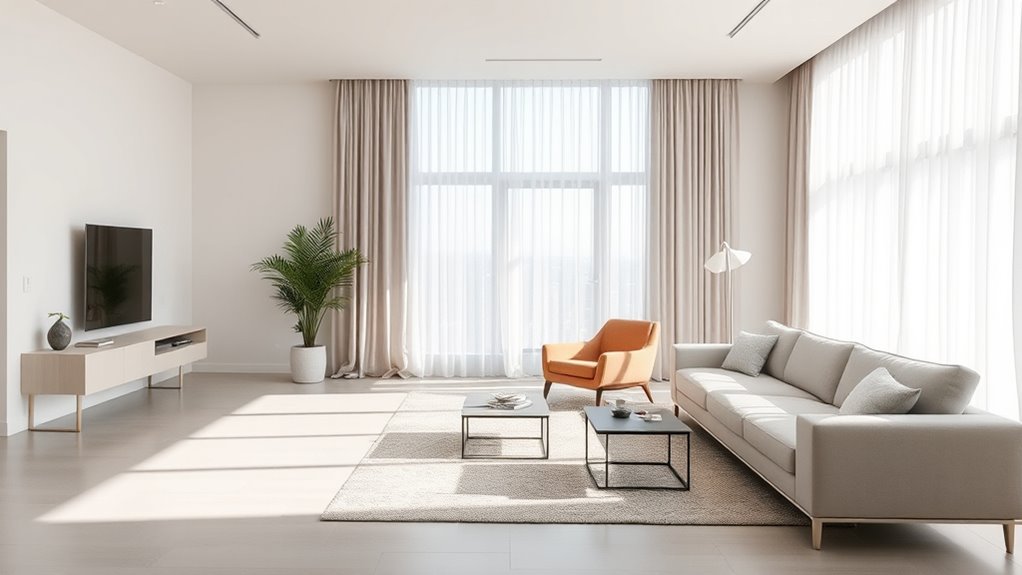
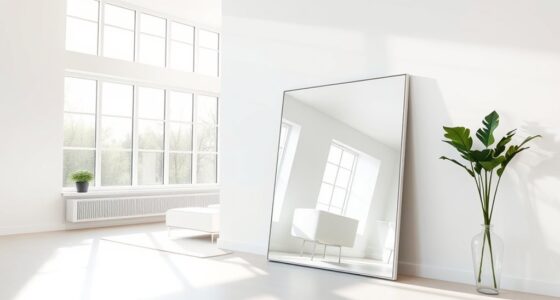
Have you ever wondered how humans cope with the psychological challenges of space travel? When you’re confined to a small, isolated environment, every detail of your surroundings matters. One essential aspect is room organization. In space, clutter can feel overwhelming, so efficient layout design becomes indispensable. Clear, logical arrangements help you find what you need quickly, reducing stress and frustration. Keeping personal belongings neatly stored minimizes chaos and creates a sense of control, which is critical for mental well-being. Proper room organization also involves dividing areas for work, rest, and recreation, giving you psychological boundaries that mimic Earth’s familiar routines. When your environment is orderly, it fosters calmness and a sense of normalcy, counteracting the disorienting effects of microgravity and confinement. Using materials like wall organization systems can further improve visual interest and functionality.
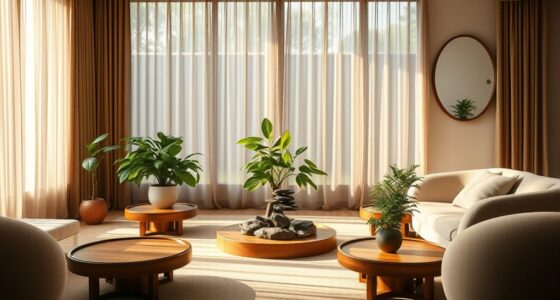
Color psychology plays a noteworthy role in how you feel in a space environment. Colors influence mood and emotional responses more than you might realize. For instance, cool tones like blues and greens are often used to promote relaxation and reduce anxiety. These colors mimic natural environments and help create a calming atmosphere, especially important in the sterile, clinical environment of a spacecraft. Conversely, warmer colors like reds and oranges can energize you and boost alertness, useful during active periods but potentially overwhelming if overused. When designing a space habitat, incorporating thoughtful color schemes can help regulate your emotional state, making the environment feel less alien and more nurturing. It’s not just about aesthetics; it’s about harnessing the psychological power of colors to keep you balanced.
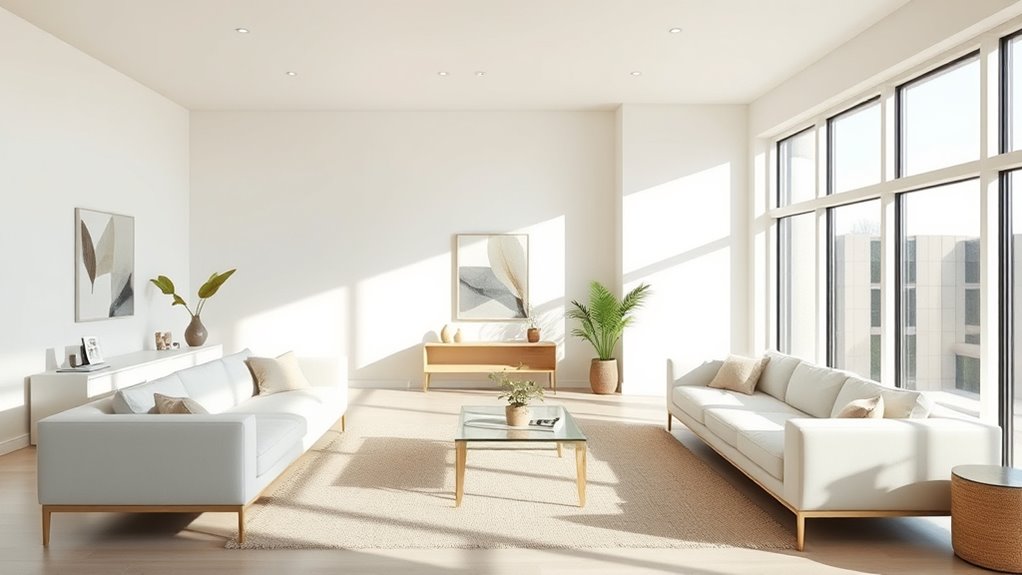
In combination, room organization and color psychology create a space that supports your mental health. When your environment is well-organized, it reduces cognitive load, making it easier to focus and relax. Paired with colors chosen deliberately to evoke specific feelings, these design principles help you maintain a positive outlook and cope with the stresses of space travel. You’ll find that a tidy, thoughtfully colored environment provides a sense of stability and familiarity, essential when you’re millions of miles from home. Small adjustments—like rearranging furniture for better flow or adding a splash of calming blue—can markedly impact your mood, making your artificial environment feel more like home. As you adapt to space living, understanding how room organization and color psychology influence your mental state can be your best tools for maintaining psychological resilience, even in the most challenging conditions. Utilizing home decor principles, such as stylish wall organization or calming color schemes, can significantly enhance your mental well-being in confined spaces.
Top picks for "psychology space layout"
Open Amazon search results for this keyword.
As an affiliate, we earn on qualifying purchases.
Frequently Asked Questions
How Does Natural Light Affect Mood in Different Spaces?
Natural light boosts your mood by creating a sense of openness and connection to nature. In spaces with biophilic design, daylight harvesting maximizes sunlight, reducing energy use and enhancing well-being. You’ll feel more alert, happier, and less stressed when sunlight filters in freely. Incorporating natural light into your environment influences your mood positively, making spaces feel more inviting and comfortable. So, prioritize natural light to improve your overall mental health and productivity.
What Role Does Color Psychology Play in Space Design?
Color psychology plays a vital role in space design by using emotional hues and color symbolism to influence your mood. Bright, warm tones like yellow evoke happiness and energy, while cool blues promote calmness and focus. You can strategically choose colors to create specific atmospheres, making spaces more inviting or tranquil. Understanding these emotional hues helps you design environments that support your desired feelings and enhance overall well-being.
Can Furniture Arrangement Influence Social Interactions?
Yes, furniture placement can considerably influence social interactions. By arranging furniture to promote face-to-face conversations and easy movement, you encourage social cohesion. For example, grouping chairs and sofas in a circular or semi-circular layout creates an inviting atmosphere where people feel comfortable sharing and connecting. Thoughtful furniture placement fosters openness, making it easier for everyone to engage and build stronger social bonds within the space.
How Does Noise Level Impact Psychological Well-Being?
You might think noise isn’t a big deal, but it actually greatly impacts your psychological well-being. Excessive noise can cause stress, reduce focus, and even lead to anxiety. Prioritizing sound insulation and creating privacy zones help control noise levels, fostering a calmer environment. When you limit disruptive sounds, you improve your mood, feel more relaxed, and enhance overall mental health. Quiet spaces truly support your emotional resilience.
What Are the Best Layouts for Reducing Stress?
You should choose open plan layouts combined with private nooks to reduce stress effectively. Open spaces promote airiness and reduce clutter, helping you feel more relaxed. Private nooks give you a retreat to unwind and recharge, minimizing overwhelm. Incorporating natural light and calming colors further enhances this effect. This balanced approach creates a soothing environment, allowing you to feel more at ease and better manage stress daily.
Conclusion
By understanding how layout impacts mood, you can create spaces that soothe, inspire, and energize. You can design environments that foster connection, promote well-being, and encourage productivity. You can shape your surroundings to reflect your intentions, to support your needs, to enhance your life. When you harness the psychology of space, you don’t just change your environment—you transform your experience, your emotions, your outlook. The power to shape your mood begins with the space you choose to create.