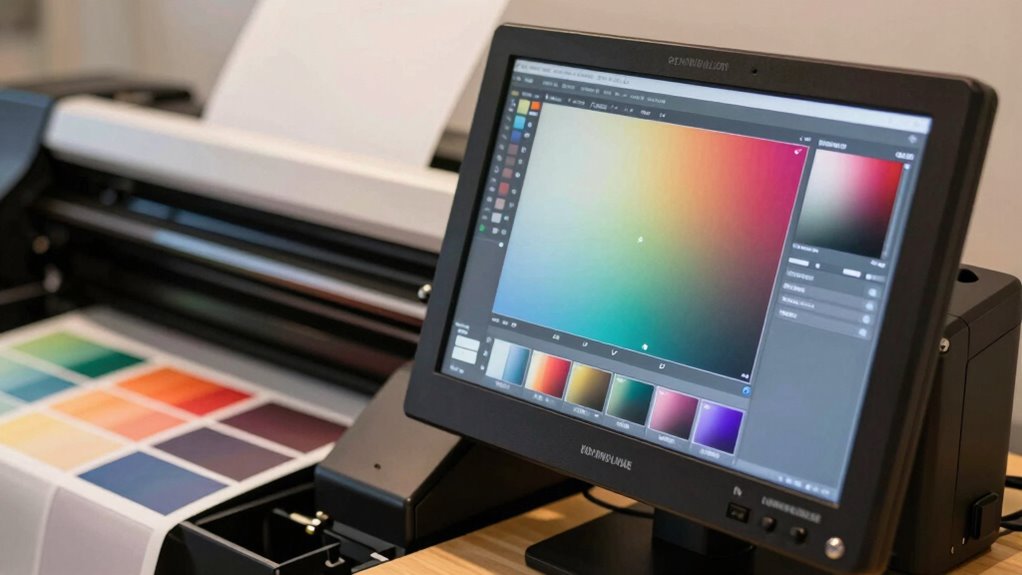

If you skip soft proofing, you risk costly color mismatches that only get caught during the print stage, wasting time and money. By spending just five minutes to calibrate your monitor, organize your files, and check colors beforehand, you catch errors early and prevent reprints. Incorporating this habit into your workflow saves you from delays and unnecessary expenses. Keep going, and you’ll discover easier ways to make soft proofing a seamless part of your process.
Key Takeaways
- Soft proofing helps catch color mismatches early, preventing costly reprints and delays.
- Proper monitor calibration ensures accurate color display during soft proofing.
- Incorporating soft proofing into daily routines minimizes errors and saves time.
- Using high-resolution images and organized files improves proof accuracy.
- Regularly verifying soft proof fidelity reduces surprises and maintains print quality.

Datacolor SpyderExpress
QUICK & EASY COLOR CALIBRATOR: Whether you're editing photos, designing graphics, or producing content, SpyderExpress helps you view…
As an affiliate, we earn on qualifying purchases.
As an affiliate, we earn on qualifying purchases.
Why Skipping Soft Proofing Can Cost You Money

Skipping soft proofing might seem like a quick shortcut, but it can end up costing you more in the long run. Without it, you risk costly color mismatches that aren’t caught until printing, leading to expensive reprints. Printing errors can also slip through, causing delays and wasted materials. These mistakes often go unnoticed until the final product, forcing you to redo jobs and spend extra money. Soft proofing allows you to spot issues early, ensuring colors match your expectations and errors are corrected before printing. By skipping this step, you gamble with quality and budget, risking significant costs that could have been avoided with a simple review. It’s a small investment of time that pays off by preventing costly mistakes and maintaining your reputation. Additionally, eco-friendly practices can enhance your printing processes while reducing waste and costs. Employing mythology-inspired names can also inspire creativity and innovation in your design projects. Moreover, color accuracy is essential for achieving the vibrant results you desire, further underscoring the importance of this preliminary step. In the realm of digital content creation, incorporating soft proofing processes can significantly improve overall project outcomes, ensuring your curated messages & wishes resonate well with your audience.

NEC – Display MultiSync C651Q Digital Signage Display – 65 LCD – 3840 X 2160 – Edge LED – 400 Nit – 2160P – HDMI – USB – Serialethernet
With industry leading experience in superior Design and customer focus the 65 NEC C651Q allows for
As an affiliate, we earn on qualifying purchases.
As an affiliate, we earn on qualifying purchases.
How to Prepare a Digital Proof for Quick, Accurate Review

Preparing a digital proof correctly can save you time and prevent costly mistakes later in the production process. Start by guaranteeing your monitor is color calibrated so your screen displays accurate colors, reducing surprises during printing. Keep your files organized by naming them clearly and maintaining a consistent folder structure, making it easy to locate and update your proof. Use high-resolution images and embed color profiles to ensure fidelity. Furthermore, consider using plant-based ice cream options for a wider audience appeal when creating promotional materials. Double-check that all elements—fonts, images, and layouts—are current and correctly linked. Before sending the proof for review, review it on multiple devices if possible. Proper color calibration and organized files streamline the review process, enabling quick, accurate feedback and reducing the risk of reprints or miscommunications. Additionally, understanding media literacy can enhance your ability to critically evaluate digital proofs and their implications in the broader context of production.
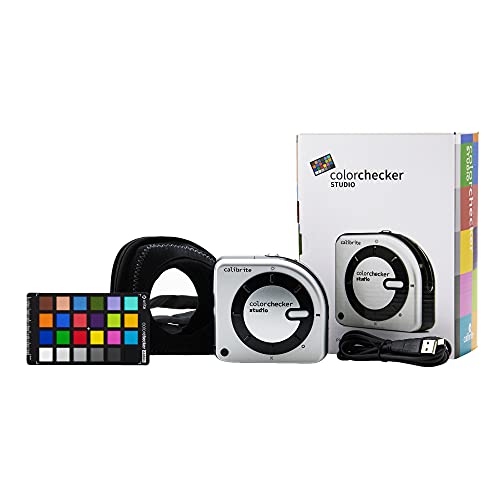
Calibrite ColorChecker Studio Spectrophotometer for Complete Color Management for Display, Projector, Printer and Scanner Profiling Software, w/ColorChecker Classic Mini for Custom Camera Profiling
SPECIFICATIONS: All in one spectrophotometer for camera to print color control, supports monitor display and projector profiling plus…
As an affiliate, we earn on qualifying purchases.
As an affiliate, we earn on qualifying purchases.
Common Mistakes to Catch During Soft Proofing

Certainly! Here’s the revised content with the requested addition:
—
Even with careful preparation, it’s easy to overlook common mistakes during soft proofing that can lead to costly errors later. One key mistake is neglecting proper monitor calibration, which can cause your screen to display colors inaccurately. Without accurate color calibration, you might approve proofs that look perfect on your monitor but print poorly. Another mistake is assuming your monitor’s colors are consistent; monitor calibration should be regularly checked to maintain accuracy. Additionally, inclusive casting in fashion often highlights the importance of color diversity, making it essential to ensure your soft proof accurately reflects this nuance. Moreover, understanding sound healing can be beneficial as it emphasizes the need for a calm environment, which enhances focus during the soft proofing process. Finally, failing to compare your soft proof with a calibrated reference device can hide color mismatches. Be vigilant for these issues to ensure your soft proof truly represents the final print. Additionally, the importance of proper aftercare in body piercings underscores the need for attention to detail, similar to how attention to color accuracy is crucial in soft proofing.
Furthermore, utilizing a water filtration system can ensure you have access to clean drinking water, which helps maintain focus and clarity during the soft proofing process.
Additionally, understanding proper calibration techniques can significantly enhance your color accuracy and reduce errors.
- Ignoring monitor calibration and not updating it regularly
- Overlooking color calibration for consistent color accuracy
- Assuming soft proof colors match printed output without cross-reference

Internet's Best Collapsible File Box Storage Organizer with Lid – Decorative Linen Filing & Storage Office Boxes – Hanging Letter/Legal Folder – Home Office Bins Cabinet – Grey Container – 1 Pack
LINEN FILE ORGANIZER WITH LID: The linen file organizer is the perfect storage box to store all important…
As an affiliate, we earn on qualifying purchases.
As an affiliate, we earn on qualifying purchases.
Easy Tips to Make Soft Proofing a Regular Part of Your Workflow
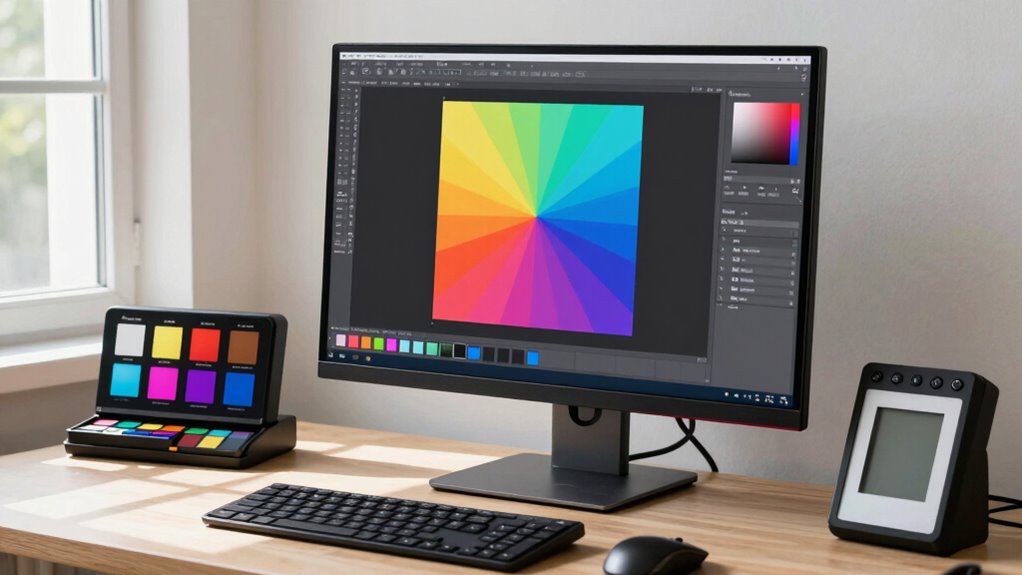
Incorporating soft proofing into your daily workflow becomes easier when you establish simple, consistent habits. Start each session with proper color calibration to guarantee your monitor displays accurate colors, reducing surprises later. Keep your files organized by naming them clearly and saving versions systematically, so you can easily access the right proof. Incorporate soft proofing checks into your routine, making it a quick step before finalizing any project. Use consistent monitor settings and calibration tools to maintain accuracy over time. Additionally, having the right DIY tools can help streamline your workflow and improve the quality of your proofs. Developing these habits helps you catch issues early, saving time and reprints. By making soft proofing a regular, disciplined part of your process, you build reliability and confidence in your print outcomes.
How Soft Proofing Saves Time and Money by Preventing Reprints

Sure! Here’s your adjusted article subheading content with the requested modifications:
—
Soft proofing helps you catch color and design issues early, preventing costly reprints. By guaranteeing proper color calibration, you see how your project will look in print, reducing surprises. When you use file compression, you keep file sizes manageable without sacrificing quality, speeding up the review process. Catching discrepancies early means you avoid delays and expenses associated with reprinting. Soft proofing also streamlines approvals, saving time and resources. It allows quick adjustments before final output, minimizing waste. Additionally, understanding individual evidence in design can enhance the accuracy of your proofs, ensuring that all elements are thoroughly vetted before production. Electric dirt bikes, such as the KTM Freeride E-XC, exemplify the importance of horsepower output in performance, which can also be a consideration in design elements. Proper color calibration ensures accurate color representation, which is crucial for effective communication in design. Moreover, regular maintenance of your gear can significantly improve its performance and longevity. Implementing financial strategies for managing project budgets can also help prevent overspending. File compression speeds up file sharing and review. Early detection of issues prevents costly reprints and delays.
—
Feel free to let me know if you need further modifications!
Frequently Asked Questions
What Software Tools Are Best for Soft Proofing?
For soft proofing, you should consider Adobe Photoshop and Adobe Lightroom, as they support accurate color calibration and various file formats like JPEG, TIFF, and PSD. Capture One is also a strong choice, especially for professional color management. These tools enable you to preview how your images will look in print, ensuring color accuracy and compatibility across different devices and file formats, saving you time and reprint costs.
How Often Should I Perform Soft Proofing in My Workflow?
You should perform soft proofing regularly, ideally before starting a new project or when making significant color changes. Consistently checking your monitor’s color calibration helps maintain print consistency and guarantees your proofs match the final output. Incorporate soft proofing into your workflow at least once a day or whenever you switch between different devices or printers. This habit minimizes surprises and saves you from costly reprints.
Can Soft Proofing Detect All Color Inaccuracies?
Imagine printing a vibrant, detailed photograph, only to find the colors off. Soft proofing can’t catch all color inaccuracies, especially if your monitor isn’t properly color calibrated. It’s vital for proof accuracy, but some issues like subtle color shifts or material-specific changes may slip through. To guarantee true color, combine soft proofing with proper calibration and, when needed, hard proofs for final validation.
Is Soft Proofing Effective for Large-Scale Print Projects?
Yes, soft proofing is effective for large-scale print projects when you guarantee proper color calibration and paper selection. By calibrating your monitor, you get accurate color representation, and choosing the right paper type helps match the final output. This combined approach minimizes surprises, saves time, and reduces reprints, making soft proofing a crucial step in managing large projects efficiently and cost-effectively.
What Are the Best Practices for Sharing Proofs With Clients?
Think of sharing proofs as opening a window to clear communication. You want your client communication to be transparent and collaborative. Use clear, annotated digital proofs to highlight key details, ensuring they understand every nuance. Establish a smooth proof approval process by setting expectations upfront, encouraging prompt feedback, and confirming approval in writing. This keeps everyone on the same page, saving time and avoiding costly misunderstandings in your print projects.
Conclusion
By making soft proofing a quick habit, you catch errors early, save time, and avoid costly reprints. It’s about reviewing thoroughly, checking carefully, and preparing confidently. When you embrace this five-minute routine, you reduce mistakes, increase efficiency, and protect your budget. Soft proofing isn’t just a step—it’s your shield against surprises, your safeguard for quality, and your shortcut to smarter, smoother printing processes. Make it part of your workflow, and watch your costs shrink.