
To preserve digital art for long-term access, you need to create detailed backups, document all technical specifications, and plan for hardware and software changes. Using emulation, migration, and multiple storage locations can help prevent obsolescence and maintain your work’s integrity. Active management is essential as technology evolves. If you want to understand effective strategies for safeguarding digital artworks against future challenges, explore further to learn more.
Key Takeaways
- Implement comprehensive backup strategies across multiple locations to safeguard against data loss.
- Document all technical specifications, including hardware, software, and format details, for future reference.
- Use emulation or virtualization to replicate original interactive environments on modern systems.
- Regularly migrate digital artworks to current formats and platforms to prevent obsolescence.
- Engage with preservation communities and adhere to established standards for best practices in digital archiving.
Digital art has transformed the creative landscape, offering new opportunities for artists and audiences alike. But as innovative as digital mediums are, they also pose unique challenges when it comes to preserving these works over time. Unlike traditional art forms, digital pieces often depend heavily on interactive interfaces and specific hardware setups, which can be fleeting in the long run. You need to consider how quickly technology evolves, making certain tools and formats obsolete. Hardware obsolescence can threaten access to digital artworks, especially when the original devices or software used to create or display them are discontinued or no longer compatible with current systems. To ensure these works survive, you must adopt proactive strategies that address both technological shifts and the ephemeral nature of digital platforms.
Preserving digital art requires proactive strategies to combat hardware obsolescence and technological shifts.
One of the main issues is that many digital artworks rely on hardware that can become outdated or unsupported. For instance, a piece made to be viewed on a particular touchscreen or display device may no longer function when that device is phased out. Interactive interfaces, which are often central to digital art, can become inaccessible if the hardware or software needed to operate them is no longer available. This creates a dilemma: how do you preserve an experience that depends on specific hardware? You need to consider emulation or virtualization techniques, which can replicate the original environment on modern systems. Alternatively, migrating the artwork to new formats or platforms might be necessary, but this risks altering the original experience or losing certain interactive elements.
Another challenge lies in the rapid pace of technological change. Formats, codecs, and software evolve quickly, making it essential to regularly update and migrate digital works to current standards. Without careful management, a digital artwork can become unreadable or unusable, effectively erasing it from the cultural record. To counter this, you should establish a digital preservation plan that includes detailed documentation of the artwork’s technical specifications, software dependencies, and hardware requirements. This plan can guide future migrations and help ensure that the work remains accessible even as technology advances. Additionally, understanding reliable backup strategies is crucial for safeguarding these works against data loss or corruption.
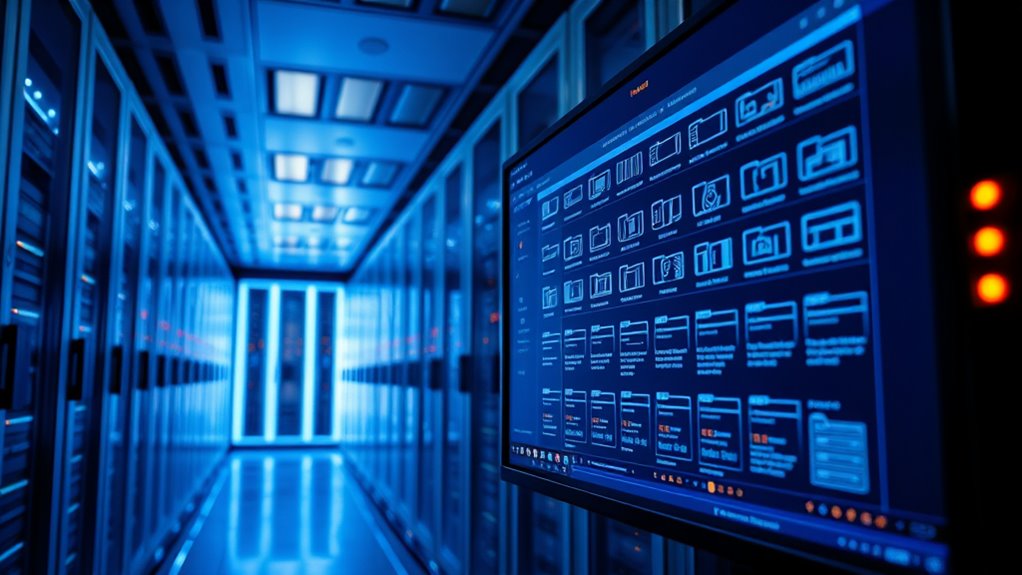
Long-term access also involves creating robust backup strategies and storing multiple copies across diverse locations. Given the fragility of digital files and the risk of data corruption, redundancy is key. Additionally, engaging with digital preservation communities and standards can provide guidance and tools to address evolving challenges. Ultimately, preserving digital art demands ongoing effort, adaptability, and a clear understanding of the technological landscape. By anticipating hardware obsolescence and managing interactive interfaces carefully, you can help ensure that digital artworks remain accessible and meaningful for generations to come.

Western Digital 6TB Elements Desktop USB 3.0 external hard drive for plug-and-play storage – WDBWLG0060HBK-NESN
High-capacity add-on storage.Specific uses: Business, personal
As an affiliate, we earn on qualifying purchases.
As an affiliate, we earn on qualifying purchases.
Frequently Asked Questions
How Do Digital Art Preservation Strategies Differ Across Regions?
You’ll find that digital art preservation strategies vary across regions mainly due to regional policies and cultural differences. In some areas, strict regulations and funding influence how digital assets are archived and accessed long-term. Cultural values also shape preservation priorities, emphasizing local heritage. You should consider these factors when developing or implementing strategies, ensuring they align with regional policies and respect cultural sensitivities for effective preservation.
What Are the Costs Associated With Long-Term Digital Art Archiving?
Imagine safeguarding a digital artwork for decades; you’ll face storage costs for servers or cloud services and maintenance expenses like software updates. These costs can add up quickly, especially for high-resolution files or complex installations. For example, a large digital art collection might require ongoing investments in storage hardware, cybersecurity, and data integrity checks, making long-term archiving a significant financial commitment you need to plan for carefully.
How Can Artists Contribute to Effective Digital Preservation?
You can contribute to effective digital preservation by engaging in digital artist collaboration, sharing best practices, and advocating for preservation awareness campaigns. Stay informed about archiving standards, use reliable storage solutions, and document your creative process. By actively participating in preservation efforts and encouraging fellow artists to do the same, you help guarantee your digital art remains accessible and intact for future audiences. Your involvement makes a significant difference in long-term digital art preservation.
What Are Emerging Technologies Enhancing Digital Art Longevity?
Imagine digital art as a delicate butterfly, needing the right tools to keep it alive. You leverage machine learning to predict and prevent data decay, while blockchain security acts as an unbreakable vault protecting your creations. These emerging technologies create a resilient ecosystem, ensuring your art endures the test of time, much like a timeless masterpiece preserved for future generations to marvel at and cherish.
How Is Digital Art Authenticity Verified Over Time?
You verify digital art authenticity over time through metadata validation and provenance tracking. By carefully examining metadata, you guarantee details like creation date and author remain consistent, confirming its legitimacy. Provenance tracking helps you trace the artwork’s history, from origin to present, preventing forgery or tampering. Combining these methods, you can confidently maintain the integrity of the digital art, safeguarding its authenticity for future audiences.
![Corel Painter 2023 Education | Professional Painting Software for Digital Art, Illustration, Photo Art & Fine Art [PC/Mac Key Card]](https://m.media-amazon.com/images/I/51WmC2+cMiL._SL500_.jpg)
Corel Painter 2023 Education | Professional Painting Software for Digital Art, Illustration, Photo Art & Fine Art [PC/Mac Key Card]
Academic Eligibility: accredited schools, faculties, full or part-time students, non-profit charitable and religious organizations; not for commercial use….
As an affiliate, we earn on qualifying purchases.
As an affiliate, we earn on qualifying purchases.
Conclusion
You might think digital art preservation is too complex or costly, but it’s crucial to guarantee your creations endure. By implementing proper archiving and access strategies now, you prevent future losses and keep your work accessible for generations. Don’t let technical hurdles hold you back—investing in preservation safeguards your artistic legacy. Embrace the challenge today, and you’ll secure your digital art’s future, proving that quality preservation is both achievable and indispensable for long-term success.

Music Software Bundle for Recording, Editing, Beat Making & Production – DAW, VST Audio Plugins, Sounds for Mac & Windows PC
No Demos, No Subscriptions, it's All Yours for Life. Music Creator has all the tools you need to…
As an affiliate, we earn on qualifying purchases.
As an affiliate, we earn on qualifying purchases.
Western Digital 8TB Elements Desktop External Hard Drive, USB 3.0 external hard drive for plug-and-play storage – Western DigitalBWLG0080HBK-NESN, Black
High-capacity add-on storage.Specific uses: Business, personal
As an affiliate, we earn on qualifying purchases.
As an affiliate, we earn on qualifying purchases.