To stop crushing shadows and improve contrast, focus on balancing light and dark areas for clarity and depth. Avoid overpowering shadows that hide details and cause muddiness by adjusting their intensity and placement. Use a range of values and smooth gradients to create natural separation, guiding the viewer’s eye effectively. Step back regularly to assess your work’s contrast, ensuring vibrancy without losing harmony. Keep these tips in mind, and you’ll discover how to make your shadows work for stunning, balanced artwork.
Key Takeaways
- Avoid overpowering shadows by balancing dark tones with adequate midtones and highlights.
- Use gradients and smooth transitions to create natural contrast without harsh edges.
- Place highlights strategically to guide focus and prevent shadows from dominating the composition.
- Regularly step back and review artwork to ensure shadows enhance depth without muddling details.
- Adjust value ranges to maintain clarity, ensuring shadows support rather than overpower the overall piece.

N NOROCME 12 PCS Blending Stumps and Tortillions Paper Art Blenders with Sandpaper Pencil Sharpener Pointer for Student Artist Charcoal Sketch Drawing Tools
13 Pcs in Total: 6 pcs blending stumps(#1, #2, #3, #4, #5, #6); 6 pcs tortillions(#1, #2, #3),two…
As an affiliate, we earn on qualifying purchases.
As an affiliate, we earn on qualifying purchases.
Why Contrast Matters in Art: Shadows, Depth, and Vibrancy
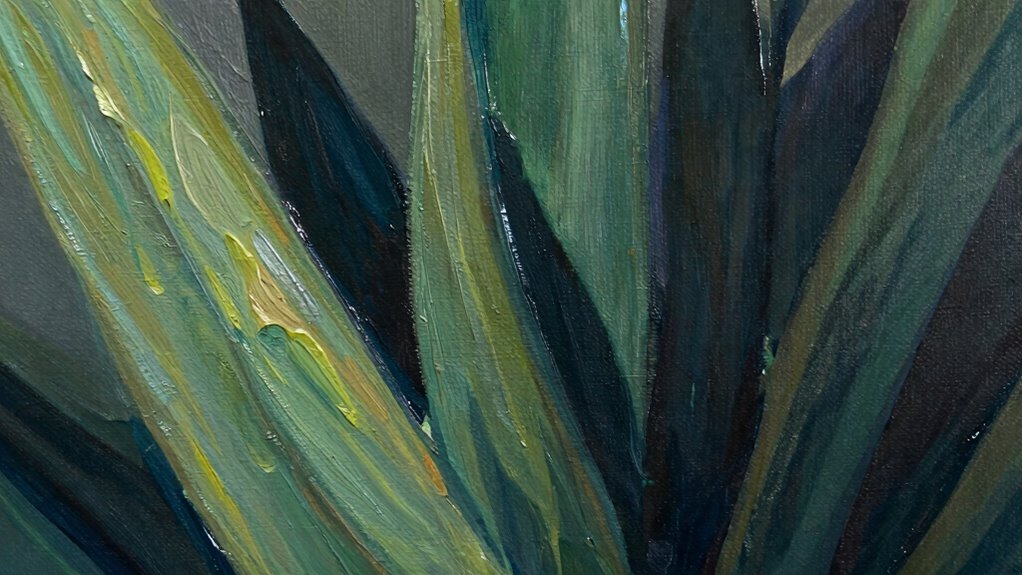
Why Contrast Matters in Art: Shadows, Depth, and Vibrancy
Contrast is vital in art because it creates visual interest and guides your viewer’s eye across your piece. When you use effective contrast, you enhance color harmony, making colors pop and complement each other. Shadows play an essential role by adding depth, making flat surfaces appear three-dimensional. This depth draws viewers into your scene, encouraging them to explore details. Additionally, contrast influences emotional impact; stark differences evoke tension, while subtle shifts create calm. Proper contrast balances vibrancy and restraint, ensuring your artwork feels lively without becoming overwhelming. By understanding how shadows and highlights work together, you shape the mood and focus of your piece. Ultimately, contrast helps you craft artwork that’s visually engaging and emotionally resonant, enthralling your audience from first glance to last. Furthermore, using eco-friendly materials can enhance the sustainability of your artwork while aligning with your commitment to environmental responsibility. Exploring crochet styles can also inspire creative techniques in your art, allowing for unique textures and patterns. Additionally, studying store return policies can help you understand how to approach your art supplies with confidence, ensuring a smooth creative process. Exploring digital content formats can also inspire innovative ways to present your artwork and enhance its impact. In particular, mastering sound quality and levels can elevate the auditory experience of your art presentations, making them more memorable.
MARKART Professional Drawing Sketching Pencil Set – 14 Pieces,Graphite,(12B – 4H), Ideal for Drawing Art, Sketching, Shading, Artist Pencils for Beginners & Pro Artists
PREMIUM DRAWING SKETCH PENCIL SET – A wide variety of hardness for all your artwork needs. Includes 14…
As an affiliate, we earn on qualifying purchases.
As an affiliate, we earn on qualifying purchases.
How to Recognize When Shadows Are Overpowering or Muddled
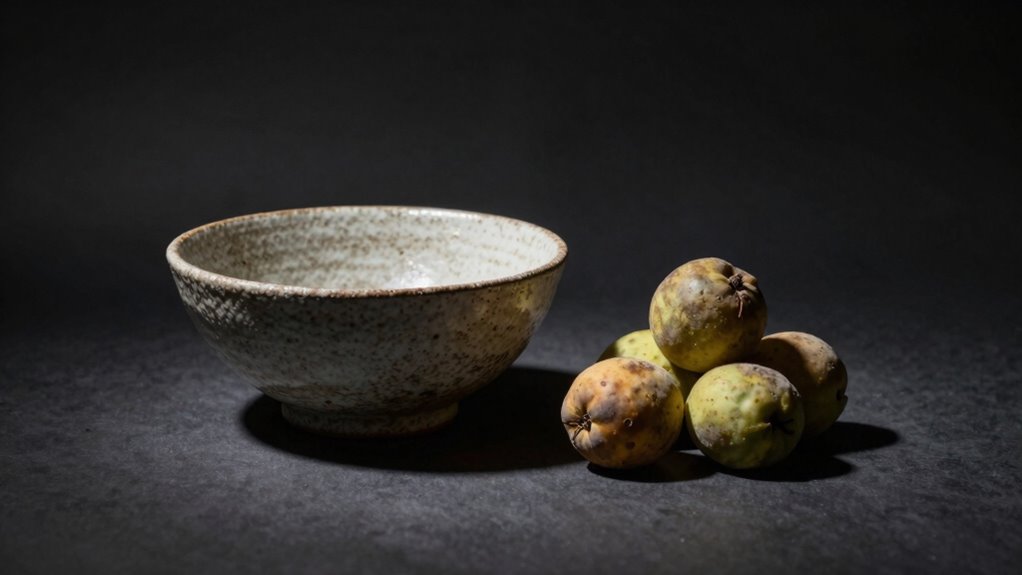
Shadows can become overpowering or muddled when they dominate too much of your artwork or fail to define form clearly. If you notice large areas where shadow dominance feels excessive, or if shadows blend into each other without distinction, your tones may be muddled. Muddled tones occur when shadows lack contrast, making forms appear flat or confusing. Look for areas where shadows obscure details or where darks seem to blur into midtones, reducing clarity. Overpowering shadows can create a heavy, unbalanced feel, while muddled tones diminish depth and dimension. Recognizing these signs helps you adjust your contrast. Aim for a balanced distribution of shadows that supports form without overwhelming the scene, ensuring shadows enhance rather than hinder your artwork’s clarity.
216 Pcs Blending Stumps and Tortillions Set, 9 Sizes Blending Pencils for Sketch Drawing, Shading, Pastel, Graphite, White Drawing Sketching Supplies for Artists
【Multi-Size Set】This comprehensive 216-piece drawing stumps and tortillions set includes 18 convenient sub-packs, with 12 tools in each….
As an affiliate, we earn on qualifying purchases.
As an affiliate, we earn on qualifying purchases.
Simple Techniques to Balance Light and Dark in Your Artwork
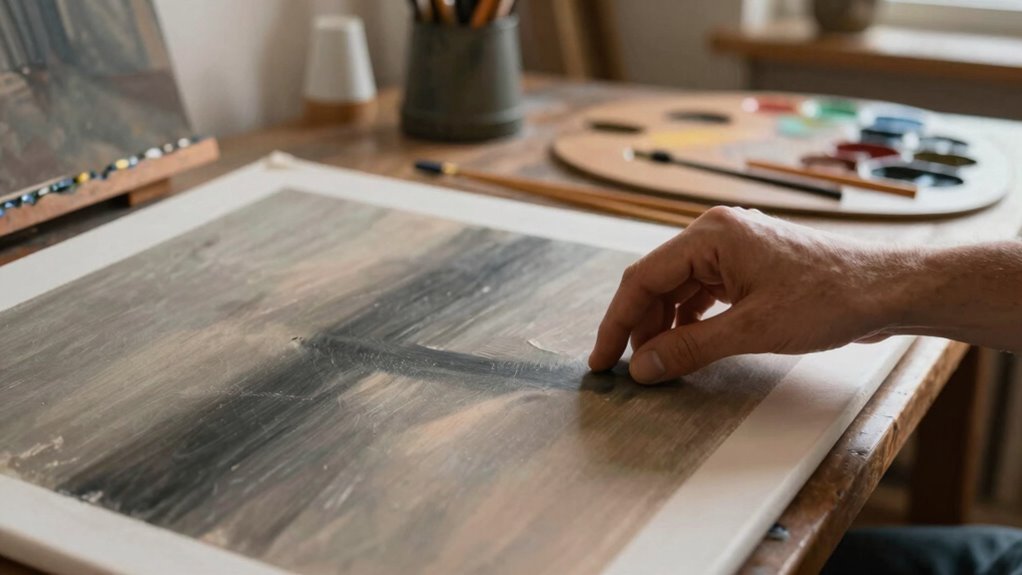
Balancing light and dark in your artwork doesn’t have to be complicated. Start by considering color harmony; using a cohesive color palette helps unify your composition and creates a natural flow between light and dark areas. Focus on composition balance by placing highlights and shadows strategically to guide the viewer’s eye and emphasize focal points. Keep your light and dark tones proportionate, avoiding extremes that can overpower or flatten the scene. Use subtle shifts and avoid abrupt shifts unless intentionally dramatic. Additionally, incorporating eco-friendly natural pools can enhance the overall texture of your artwork, much like how they benefit makeup products for mature skin. Remember, mastering fundamentals of composition can significantly elevate the clarity and impact of your visual narratives. As you refine your technique, consider the growing demand for AI ethicist jobs to ensure technology complements artistic expression. The influence of regional flavors in coffee and tea can inspire unique contrasts and textures in your work. Adjust the brightness of key elements to guarantee they stand out without overpowering the rest. These simple techniques help create a harmonious visual rhythm, ensuring your artwork feels balanced, engaging, and well-structured.

ZZWUAPT Grey Colors Alcohol Markers Set,24 Color Dual Tips Art Markers,Markers Pens for Artist Adults Coloring Illustration Painting DIY Crafts Making Art Supplies
VIBRANT COLORS: The Alcohol Markers set includes red&pink/green/orang&yellow/blue/purple/skin tone/gery color sets,you can choose according to your color needs….
As an affiliate, we earn on qualifying purchases.
As an affiliate, we earn on qualifying purchases.
Using Value Ranges and Gradients to Boost Contrast

Building on the idea of using light and dark to create harmony, you can enhance your artwork’s visual impact by employing a range of values and smooth gradients. Using subtle value shifts helps you emphasize focal points and adds depth, making your artwork more engaging. Incorporate a variety of value ranges, from light highlights to deep shadows, to create contrast without harsh edges. This technique supports color harmony by blending hues seamlessly, avoiding jarring shifts. Additionally, gradients introduce texture variation, adding richness and complexity to your piece. Smooth transitions guide the viewer’s eye naturally across your artwork, ensuring elements feel cohesive and balanced. Mastering value ranges and gradients allows you to boost contrast thoughtfully, elevating your art’s overall clarity and visual appeal.
Final Tips for Checking and Refining Contrast Before Finishing
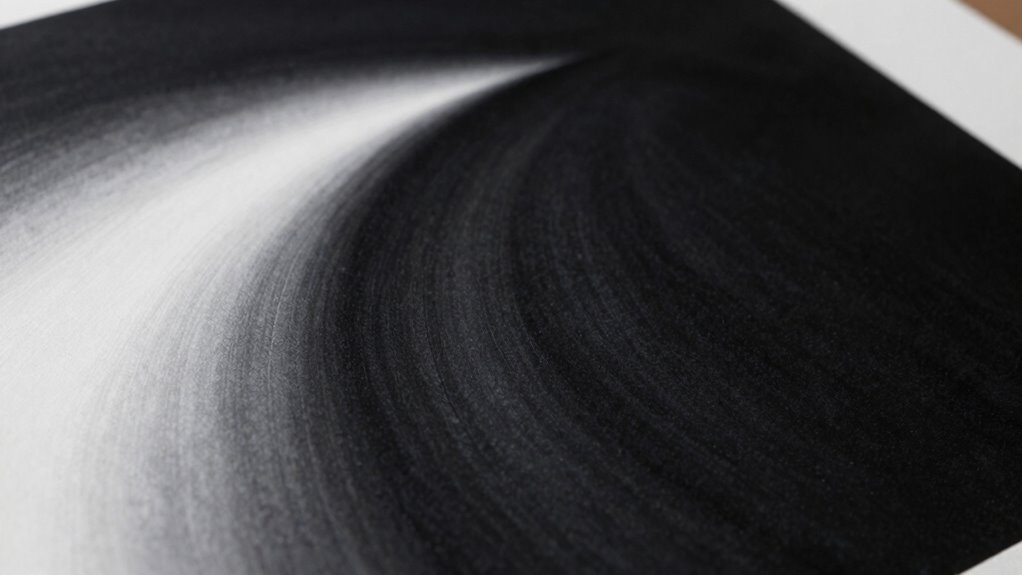
Before you consider your artwork finished, it’s crucial to double-check your contrast to guarantee it effectively guides the viewer’s eye and emphasizes your focal points. Start by stepping back and viewing your piece from a distance; this helps you assess overall contrast and balance. Make sure your color harmony feels natural, with contrast enhancing rather than overpowering the composition. Pay attention to texture variation—subtle differences can create depth and interest, making your focal areas stand out. Use a grayscale or color check to identify any areas that need more refinement. Adjust the darkest darks and lightest lights if necessary, but avoid overdoing it. Small tweaks in contrast can notably improve visual impact, making your artwork more cohesive and compelling before you sign off. Additionally, consider how contrast ratios affect the perceived sharpness and clarity of your artwork.
Frequently Asked Questions
How Does Contrast Influence Viewer Emotion in Artwork?
Contrast profoundly influences your viewer’s emotion by shaping their perception of the artwork. When you use high contrast, it creates a dramatic emotional impact, drawing attention and evoking strong feelings like tension or excitement. Conversely, low contrast fosters a calm, subtle mood. Your strategic use of contrast guides viewers’ perception, allowing you to manipulate emotional responses effectively and deepen their engagement with your art.
What Common Tools Can Assist in Measuring Contrast Accurately?
Imagine your digital palette as a vintage camera—precision matters. You can use tools like color calibration software and brightness level meters to measure contrast accurately. These tools help guarantee your display reflects true tonal differences, much like a photo lab developing perfect film. By maintaining consistent brightness levels and calibrated colors, you ensure your artwork’s contrast is true to your vision, creating a more impactful and emotionally resonant piece.
Can Digital Editing Improve Traditional Artwork Contrast Effectively?
Digital editing can effectively improve your traditional artwork’s contrast by adjusting color balance, which enhances the depth and vibrancy of shadows and highlights. You can also use tools for texture enhancement, emphasizing surface details and making your artwork more dynamic. These techniques allow you to fine-tune contrast without compromising your original work, giving it a polished, professional look. Just be careful not to overdo it, maintaining the artwork’s natural essence.
How Does Ambient Lighting Affect the Perception of Contrast?
Ambient illumination alters your artwork’s appearance profoundly. Bright lighting brightens shadows, reducing shadow depth and diminishing contrast, while dimmer surroundings deepen shadows, enhancing contrast. You need to contemplate how ambient lighting influences perception, as it can make your piece seem flatter or more dramatic. Adjust your workspace lighting accordingly to guarantee your artwork’s contrast remains true to your intent, creating a compelling, captivating visual experience for viewers.
Are There Cultural Differences in How Contrast Is Perceived in Art?
Yes, cultural perception influences how you interpret contrast in art. Different cultures emphasize varying artistic interpretation, affecting your view of light and shadow. For example, some cultures favor bold contrasts to symbolize strength, while others prefer subtle shading for harmony. Your perception of contrast is shaped by these cultural cues, guiding how you respond emotionally and aesthetically to artworks. Understanding these differences helps you appreciate diverse artistic expressions worldwide.
Conclusion
Now that you’ve learned how to control contrast and shadows, imagine the impact when you apply these techniques to your next piece. Will your artwork reveal stunning depth or fall flat in the shadows? The choice is yours, and the secret lies in mastering these simple yet powerful tools. Don’t settle for less—dare to push your contrast to create art that truly captivates. The next masterpiece is waiting—are you ready to make it unforgettable?