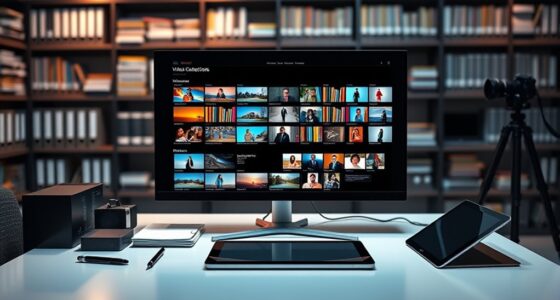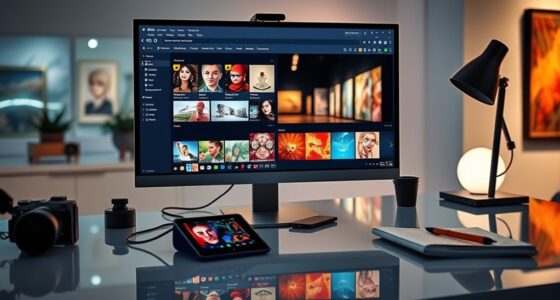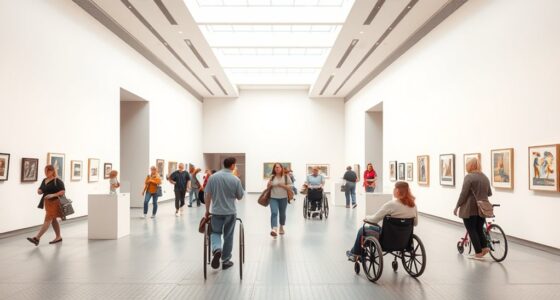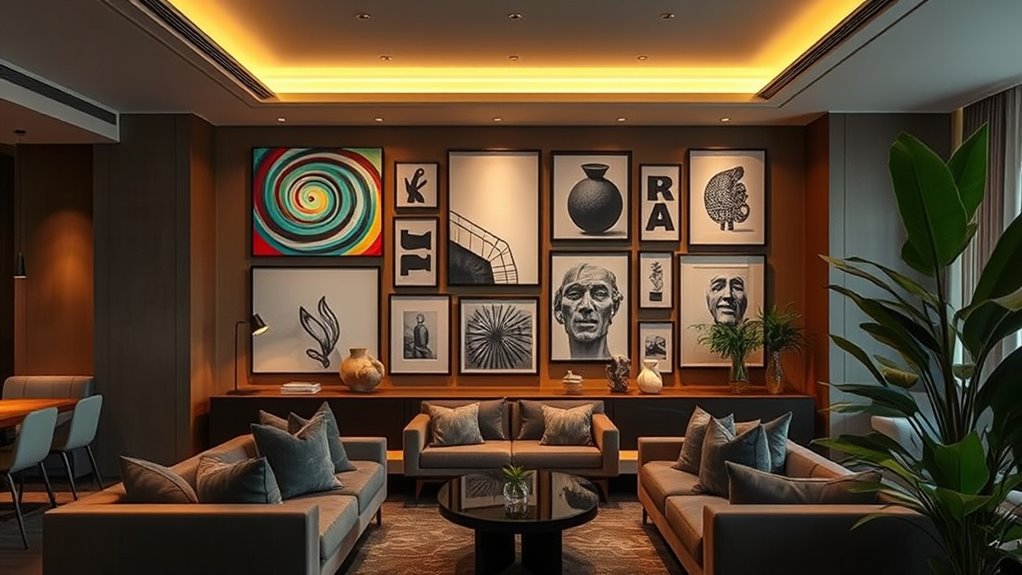

To curate art for hospitality spaces, start by understanding your guests’ preferences—whether they’re business travelers, families, or leisure visitors—and select pieces that evoke the right emotions and fit your brand. Focus on authentic, relevant artwork that complements your interior design and strategically place pieces to create focal points without clutter. Keep your collection dynamic by updating it regularly, ensuring your space stays inviting and memorable. For more in-depth tips, keep exploring how to craft compelling environments.
Key Takeaways
- Understand your target guests to select artwork that appeals to their tastes and enhances their experience.
- Focus on the message, relevance, and aesthetic appeal of each piece to create a cohesive collection.
- Strategically place art to complement the space, ensuring proper scale, lighting, and focal points.
- Coordinate artwork with interior design elements to maintain harmony and reinforce the overall aesthetic.
- Regularly update and rotate your art collection to keep the environment fresh and engaging for guests.

Creating the right atmosphere in hospitality spaces often begins with thoughtfully curated art. Your goal is to select pieces that resonate with your guests and enhance the overall ambiance. The art selection process is essential because it sets the tone and influences how visitors perceive the space. You should start by understanding your target audience—are they business travelers, families, or leisure tourists? Knowing this helps you choose art that appeals to their tastes and expectations. For instance, contemporary pieces with bold colors might energize a lively hotel lobby, while calming landscapes could relax guests in a spa area. When selecting art, consider not only aesthetics but also the message or feeling it conveys. Authenticity and relevance matter; artwork that aligns with your brand identity creates a cohesive experience.
Once you’ve chosen your art, focus on space integration. This means thoughtfully positioning each piece to complement the environment without overwhelming it. You want your artwork to enhance the space, not overshadow it. Think about the scale of your artwork in relation to the wall or area where it will hang. Large, impactful pieces work well in expansive lobbies, while smaller, intimate artworks suit quiet corners or corridors. Pay attention to lighting as well—proper illumination can make your art pop and draw attention subtly. Avoid overly cluttered displays; instead, opt for strategic placements that allow each piece to breathe and be appreciated fully. You might also consider creating focal points by grouping related artworks or using a single statement piece in a prominent location.
Thoughtfully position art to enhance space, considering scale, lighting, and focal points for a balanced, inviting atmosphere.
In terms of space integration, consistency is key. Coordinate your art with the overall interior design, including colors, textures, and furniture styles. This creates harmony and ensures your art doesn’t clash with other elements in the room. For example, if your decor features warm wooden tones, select artworks that incorporate complementary colors to reinforce the aesthetic. Incorporating art into different zones within your hospitality space helps create a seamless experience. Art can act as wayfinding tools, guiding guests from one area to another, or serve as conversation starters in social spaces. Additionally, integrating vetted designs from various sources can elevate the visual appeal and ensure quality.
Finally, remember that your art collection should be dynamic, evolving with your space and guest preferences. Regularly revitalizing or rotating pieces keeps the environment engaging and prevents the space from feeling static. By carefully curating your art selection and thoughtfully integrating it into your space, you craft a memorable atmosphere that delights guests, reinforces your brand, and elevates the overall experience.
Wieco Art Giclee Canvas Prints Wall Art Space Pictures for Bedroom Home Decorations Universal Magic Power Modern 4 Panels Contemporary Star Sky Pictures Astronomy Artwork
High definition giclee modern canvas printing artwork, picture photo printed on canvas. A perfect Christmas and New Year…
As an affiliate, we earn on qualifying purchases.
As an affiliate, we earn on qualifying purchases.
Frequently Asked Questions
How Do I Select Art That Appeals to Diverse Guest Demographics?
When selecting art that appeals to diverse guest demographics, consider guest preferences and prioritize art diversity. You should choose pieces that reflect different cultures, styles, and eras to create a welcoming environment for everyone. Engage with your guests or review feedback to understand their tastes. By showcasing a variety of art, you guarantee inclusivity, making your space more inviting and memorable for guests from all backgrounds.
What Are Cost-Effective Ways to Update Art Regularly?
Think of your art collection as a living garden, constantly blossoming with new colors. To keep it vibrant without breaking the bank, embrace digital rotation for seasonal updates. You can easily swap out digital displays or prints, giving your space a fresh look each season. This approach lets you regularly update art, engaging guests with new visual stories without the cost of constantly purchasing new pieces.
How Can I Incorporate Local Culture Into the Artwork?
To incorporate local culture into the artwork, you should collaborate with local artists who understand the community’s essence. Choose pieces that feature cultural symbols or themes that resonate with the area’s identity. Displaying work that highlights local traditions, history, or landscapes creates authenticity and connection. You can also incorporate these elements into murals or installations, making the space more welcoming and reflective of the community’s unique character.
What Are Common Mistakes to Avoid in Art Curation?
Did you know 60% of guests say art influences their overall experience? When it comes to art selection, avoid common curation pitfalls like choosing pieces that clash with your space or lack relevance. You might also overlook the importance of context or overlook the emotional impact of the artwork. Focus on thoughtful curation, and don’t rush the process—this guarantees your art resonates and enhances your hospitality environment.
How Do I Measure the Impact of Curated Art on Guest Experience?
You can measure the impact of curated art on guest experience by collecting guest feedback and observing their visual engagement with the artwork. Pay attention to comments about the ambiance and aesthetic appeal, and watch how guests interact with the pieces. Surveys or direct conversations can give you insights, while noting increased time spent in art-filled areas shows the visual engagement level, helping you understand how art enhances their overall stay.

Modern Art Golden Lucky Tree Money Tree Canvas Wall Art Gold Tree of Life Painting Canvas Art Good Luck Money And Wealth Picture Stunning Poster Decorative for Home, Office & Hotel Lobbies, Ready to Hang (20×40 Inches)
1. 【Exquisite Golden Tree Wall Art 】This Luxury Modern Gold Tree of Life Wall Art is a masterpiece….
As an affiliate, we earn on qualifying purchases.
As an affiliate, we earn on qualifying purchases.
Conclusion
Think of your hospitality space as a gallery, where every piece of art tells a story and sets the mood. When you curate thoughtfully, it’s like planting seeds of comfort and inspiration that bloom for your guests. I once saw a hotel lobby transformed by a single striking mural—guests felt instantly welcomed, like stepping into a warm embrace. Remember, your art choices shape memories—so choose pieces that invite guests to stay a little longer.
Line Framed Wall Art Figure Wall Prints Contemporary Hanging Wall Decor 32"x70" Large Artwork for Living Room Office Decorations
Canvas wall size: 32×70 inches, the right size makes this painting a fascinating focal point, adding a touch…
As an affiliate, we earn on qualifying purchases.
As an affiliate, we earn on qualifying purchases.

Living the Lighting Life: A Guide to a Career in Entertainment Lighting
As an affiliate, we earn on qualifying purchases.
As an affiliate, we earn on qualifying purchases.