
Fade resistance in archival materials depends on the chemical stability of dyes and pigments, as well as the material composition and environmental conditions. Factors like light exposure, humidity, and storage practices greatly influence how long your items retain their vibrant colors. High-quality substrates and stable inks help resist deterioration. To keep your valuables protected over time, it’s crucial to understand these factors—and there’s much more to explore about ensuring their long-term longevity.
Key Takeaways
- Fade resistance depends on the chemical stability of dyes and pigments used in the material.
- Material composition, such as fiber type and binder quality, influences durability and color retention.
- Environmental factors like light exposure, humidity, and pollutants accelerate fading.
- Proper storage conditions, including UV filtering and stable climate control, extend longevity.
- Advances in inks and printing technologies improve a material’s resistance to color degradation over time.

Lineco Buffered Acid-Free Interleaving Tissue 8.5" x11", Archival Paper Extends Life of Pictures, Photographs, Artwork and Textiles, for Black & White, Color, and Albumen Prints, Pack of 100
Lineco is a leading manufacturer of archival storage materials for preservation of photos, documents, and artwork. Trusted by…
As an affiliate, we earn on qualifying purchases.
As an affiliate, we earn on qualifying purchases.
What Does “Fade Resistant” Mean in Archival Materials?
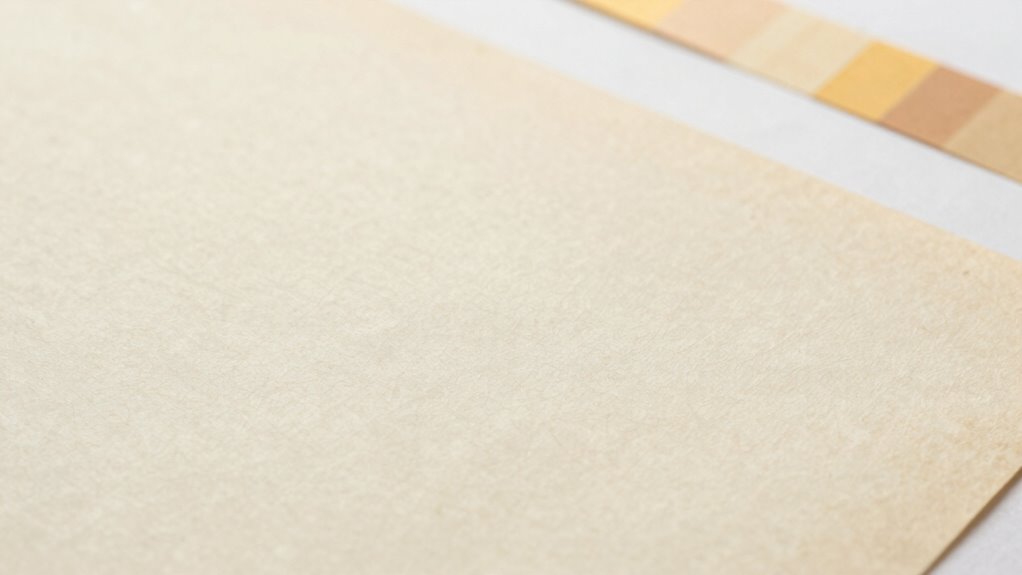
Have you ever wondered what “fade resistant” really means when it comes to archival materials? It refers to how well a material resists color degradation over time, especially when exposed to light and environmental factors. Fade resistance hinges on chemical reactions within the dyes and pigments; some chemicals are more stable and less prone to breaking down. When these reactions occur, they cause colors to fade or change, compromising the integrity of the document or artwork. Fade resistant materials are formulated to slow these chemical reactions, maintaining their original color longer. This means that, even after years, your items will retain their vibrant hues. Understanding this helps you choose materials designed to withstand the test of time, preserving their visual quality. Additionally, using eco-friendly materials can further enhance the longevity of archival items by minimizing harmful environmental impacts. The choice of digital content formats can also play a crucial role in ensuring that archival materials remain accessible and visually appealing over time. For instance, data storage solutions can help safeguard the integrity of digital archives against degradation. Similarly, using cultural artifacts in your decor can emphasize the importance of preserving not just visual aesthetics but also historical narratives. Furthermore, selecting items with high color accuracy can significantly improve the visual experience of your archival collection.
Acrylic Glass Shatterproof 99% UV Protected Conservation Clear OP3 Premium Framing Grade Display For Picture Frame (8 x 10)
Lightweight
As an affiliate, we earn on qualifying purchases.
As an affiliate, we earn on qualifying purchases.
The Key Factors That Affect Fade Resistance in Prints and Documents

Several factors directly influence how well a print or document resists fading over time. The main ones are chemical stability, exposure to light, environmental conditions, and the materials used. Chemical stability guarantees inks and papers remain intact and don’t degrade, which is crucial for digital preservation efforts. Furthermore, embracing inclusive practices in the preservation process can enhance the longevity of various materials. In addition, using portable oil radiators can help maintain a stable environment that minimizes fading. Effective requirements traceability ensures that preservation methods are documented and consistently applied, providing a systematic approach to maintaining quality. Light exposure accelerates fading, especially in less stable dyes. Humidity and temperature fluctuations can weaken materials, impacting fade resistance. Material composition also plays a role; higher-quality, stable materials better withstand aging. Additionally, using air fryer accessories can help maintain the integrity of prints when stored in varying conditions. Understanding the role of technology in enhancing preservation techniques can provide further insights into maintaining archival longevity. Here’s a quick visual:
| Factor | Impact |
|---|---|
| Chemical stability | Prevents ink and paper degradation |
| Light exposure | Accelerates fading |
| Environmental conditions | Influences material longevity |
| Material quality | Determines inherent fade resistance |
| Preservation methods | Protects against external damage |

IRIS USA WeatherPro 31 Qt Eco-Friendly Storage Bins with Lids, 4 Pack, BPA-Free Plastic Gasket Box with Tight Latch and Seal, Stackable Nestable Tote Tub – Navy
CLIMATE FRIENDLY, and BPA FREE – Sustainable environmentally-friendly storage made from recycled materials, environmentally friendly weather resistant storage…
As an affiliate, we earn on qualifying purchases.
As an affiliate, we earn on qualifying purchases.
How Material Composition Influences Fade Resistance
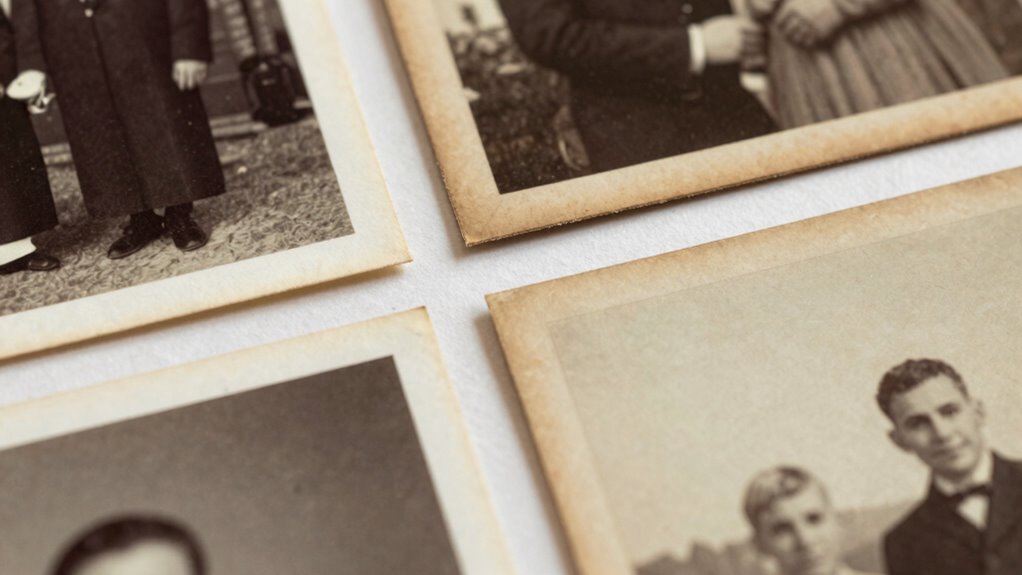
The materials used in your prints and documents directly impact their fade resistance, with durability and pigment stability playing key roles. Certain compositions resist deterioration better over time, maintaining their appearance longer. Understanding how these factors work helps you choose materials that maximize archival longevity. Additionally, embracing Stoic principles of resilience can guide your choices in selecting fade-resistant materials that endure the test of time. For instance, rug sizing can also influence the overall aesthetic appeal of your space, making it vital to consider how material choices interplay with design elements. Using high-quality 85mm lenses can also enhance the clarity of your prints, contributing to their overall longevity and visual impact. Moreover, selecting materials based on their chemical stability can further enhance resistance to fading and degradation over time. Incorporating pre-swim nutrition into your routine ensures that you maintain energy levels while working with these materials, reinforcing your commitment to longevity.
Material Durability Factors
Material composition plays a crucial role in how well an artifact resists fading over time. In historical preservation and digital archiving, choosing durable materials guarantees longevity. For physical items, fibers like cotton or linen, combined with stable inks, tend to resist deterioration better than synthetic or acidic papers. The chemical makeup influences how materials react to light, air, and environmental factors. For example, incorporating nutritional guidelines into the selection process can also improve the overall quality of preservation materials. Additionally, using best purple shampoos can help maintain color vibrancy in textile artifacts, ensuring their aesthetic appeal. The concept of dream symbolism can also enhance the understanding of how time influences the perception of fading in artifacts. For digital archives, the focus shifts to storage media—hard drives, tapes, or cloud storage—that must be resilient against data loss, corrosion, or degradation. Selecting high-quality, stable materials helps preserve the integrity of artifacts, reducing the risk of fading or damage. Ultimately, understanding the material’s durability factors helps you make informed decisions to protect both physical and digital collections over the long term. Moreover, incorporating user consent management practices ensures that digital preservation efforts align with privacy regulations and user preferences. Additionally, recognizing passive voice in your writing can enhance clarity and engagement, making your preservation narratives more impactful.
Pigment Stability Influence
Because pigment stability directly impacts how well colors resist fading, understanding how material composition influences this stability is essential for preservation. Pigment chemistry determines how pigments interact with environmental factors, affecting their longevity. Some pigments contain stable chemical bonds that resist breakdown, making them more fade resistant. Others may degrade quickly when exposed to light, heat, or moisture. Using colorfast dyes and stable pigments enhances fade resistance over time. Additionally, employing proper installation techniques can minimize the impact of environmental factors on pigment integrity. Material composition, such as the type of binder or substrate, also influences pigment stability by protecting or exposing the pigments to damaging elements. When selecting materials for archival purposes, opt for those incorporating stable pigment chemistry and colorfast dyes, ensuring your colors remain vibrant and intact for decades or even centuries. Furthermore, the use of high-quality materials can significantly improve the overall performance of creative and archival projects. Additionally, the choice of material composition affects not just fade resistance but also overall durability in varying environmental conditions. Understanding effective weight management can further enhance your approach to preservation by promoting methods that reduce the need for frequent restoration. Moreover, incorporating foam rolling techniques can also aid in maintaining the integrity of materials by minimizing physical stress during handling and storage.
PPD Watercolor Printer & Printable Fine Art Paper for Inkjet Printer, Textured Giclee Archival Acid Free Paper 8.5 x 11, Professional Grade, Heavyweight 240 gsm/64 lb (25 Sheets)`
High Quality Inkjet Watercolor Paper: This premium 8.5 x 11 inch, 240 gsm (64 lb) fine art paper…
As an affiliate, we earn on qualifying purchases.
As an affiliate, we earn on qualifying purchases.
How Storage Conditions Impact Your Prints Over Time

Proper storage conditions are vital in preserving the quality of your prints over time. To guarantee digital preservation and physical longevity, keep prints in a stable environment with consistent temperature and humidity levels. Fluctuations can accelerate deterioration, causing fading, warping, or mold growth. Climate control is essential; avoid direct sunlight and high humidity, which can damage prints and degrade ink or pigment stability. Store your prints in acid-free sleeves or boxes to prevent chemical reactions that lead to fading or discoloration. Proper ventilation helps reduce mold and mildew risk. By maintaining ideal storage conditions, you minimize the impact of environmental factors, extending your prints’ lifespan and keeping them vibrant for years to come.
Inks and Printing Technologies That Promote Fade Resistance
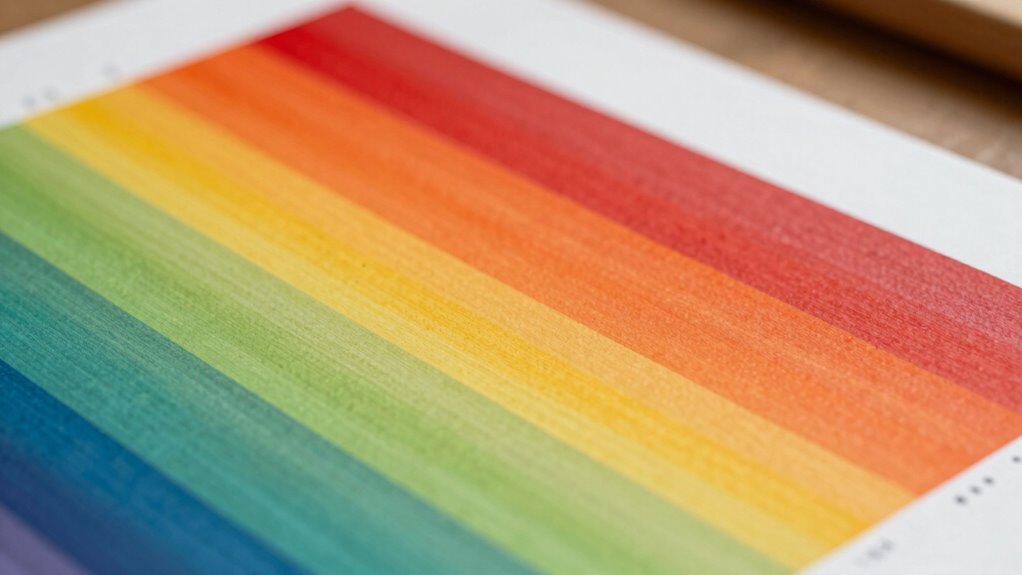
Advancements in inks and printing technologies have considerably enhanced the fade resistance of prints, guaranteeing they retain their vibrancy over time. Digital printing now uses specialized inks formulated for longevity, making it ideal for archival-quality images. Chemical inks, such as dye-based or pigment-based inks, play a vital role in increasing durability. Pigment-based inks embed stable color particles into the paper, resisting fading better than dye-based options. Digital printing machines can precisely control ink application, reducing over-application and smudging that cause fading. These innovations allow you to produce prints that withstand light exposure and environmental factors more effectively. By choosing digital printing with chemical inks designed for fade resistance, you guarantee your artwork or photographs maintain their original brilliance over decades.
Common Mistakes That Cause Fading and How to Prevent Them
Have you ever wondered why some prints fade faster than others, even when made with high-quality materials? One common mistake is exposing prints to environmental pollutants like smoke, dust, or pollutants that accelerate fading. These substances can break down inks and papers over time. Another mistake is poor handling practices; touching prints with bare hands transfers oils and dirt, which can degrade the material. To prevent this, always handle prints with clean gloves and store them away from pollutants. Avoid displaying artwork in areas with high pollution levels or direct sunlight. Proper handling and environmental awareness are vital to maintaining archival quality. By minimizing exposure to harmful elements and practicing careful handling, you greatly extend the lifespan of your prints.
How to Choose Fade-Resistant Archival Products
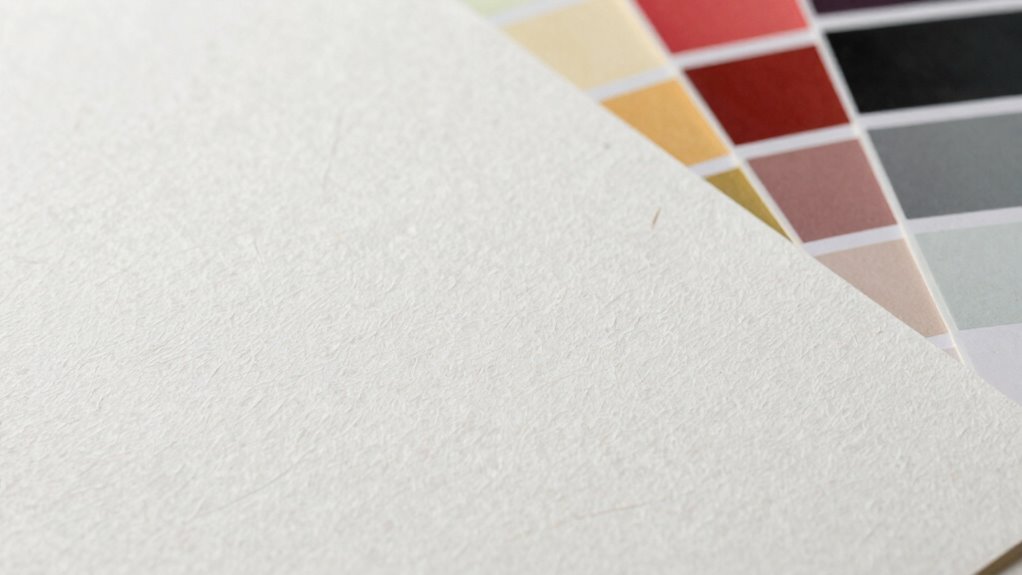
When selecting archival products, how can you guarantee they resist fading over time? Focus on choosing items specifically designed for digital preservation, which often include fade-resistant inks and stable materials. Look for products with clear archival labeling, indicating they meet industry standards for long-term stability. Verify that the labels specify resistance to light, air, and moisture, which are key factors in fading. Avoid inexpensive or generic options that lack proven longevity. Instead, opt for suppliers with a reputation for quality and transparency about their materials. Proper selection ensures your collection remains vibrant and intact for generations. Remember, understanding the product’s specifications and certifications helps you make informed decisions that support true fade resistance over time.
How Light Exposure Affects Fade Resistance Over Time

Light exposure plays an essential role in how well archival materials retain their original color and clarity over time. UV filtering is critical because ultraviolet rays accelerate fading and deterioration. If materials are exposed to direct sunlight or strong artificial light, natural aging processes speed up, leading to faster color loss. To minimize this, consider using UV-filtering glass or protective coatings.
Key factors include:
- Prolonged exposure to direct sunlight increases fading rates considerably.
- UV filtering reduces harmful rays that cause pigment breakdown.
- Limiting light exposure, especially during display, prolongs fade resistance and preserves archival quality over decades.
Do Certification Standards Guarantee Fade Resistance?
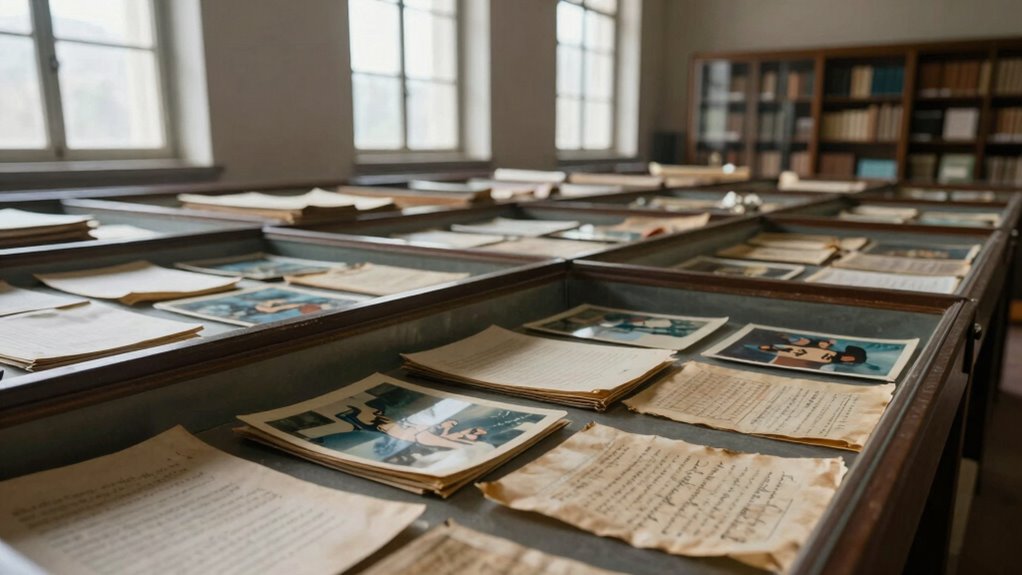
Certification standards for archival materials aim to guarantee quality and safety, but they don’t assure complete fade resistance. These standards set guidelines for materials used in historical preservation and digital archiving, yet fade resistance depends on factors like pigment stability and storage conditions. Even certified items may still degrade if exposed to environmental stressors. To better understand, consider this table:
| Standard | Focus Area | Guarantee |
|---|---|---|
| ISO 9706 | Paper longevity | Extended lifespan |
| ASTM D4302 | Ink stability | Resistance to fading |
| ANSI/NISO Z39.48 | Digital preservation | Data integrity |
While these standards improve quality, they can’t fully prevent fading. Proper handling and storage remain essential for long-term preservation.
Practical Tips to Extend the Life of Your Valuables

To help your valuables last longer, focus on proper storage techniques that protect them from environmental damage. Incorporate regular maintenance practices to catch issues early and prevent deterioration. By staying attentive to these steps, you can considerably extend the lifespan of your treasured items.
Proper Storage Techniques
Proper storage techniques are essential for preserving the quality and longevity of your valuables. To guarantee effective digital preservation and protect physical items, focus on suitable environments and materials. First, store items in a cool, dry place away from direct sunlight and fluctuating temperatures, which can accelerate deterioration. Second, use acid-free containers or sleeves to prevent chemical reactions that cause fading or brittleness. Third, maintain consistent humidity levels—ideally between 30-50%—to avoid mold growth and warping. Implement conservation techniques like minimal handling and proper labeling to reduce physical stress. By applying these practical storage practices, you notably extend the lifespan of your valuables, safeguarding both digital and physical assets for years to come.
Regular Maintenance Practices
Regular maintenance is key to ensuring your valuables stay in top condition over time. For physical items, this means regularly checking for signs of deterioration, cleaning gently, and ensuring proper storage conditions. When it comes to digital preservation, update your backups and verify file integrity regularly. Understanding the differences between digital vs physical is essential; digital files require ongoing updates and format migrations, while physical items need physical upkeep. Keeping digital copies organized and accessible helps prevent data loss, while physical objects benefit from consistent environmental controls. By routinely inspecting and maintaining both digital and physical assets, you extend their lifespan and safeguard their value. Active upkeep minimizes the risk of irreversible damage, ensuring your valuables remain preserved for the long term.
Frequently Asked Questions
Can Fade Resistance Vary Between Different Brands of Archival Materials?
Yes, fade resistance can vary between different brands of archival materials due to brand consistency and material variability. You might notice that some brands use higher-quality dyes or better stabilizers, making their products more fade-resistant. It’s important to research and compare brands because material variability can affect longevity. Selecting reputable brands with consistent quality guarantees your artwork or documents remain vibrant and protected over time.
How Does Humidity Influence the Longevity of Archival Prints?
Humidity greatly impacts the longevity of archival prints by affecting moisture levels. Proper humidity control prevents excess moisture, which can cause prints to warp, mold, or deteriorate faster. Too much moisture accelerates degradation, while low humidity can make paper brittle. You should maintain stable humidity levels, ideally around 40-50%, to minimize moisture impact. Consistent humidity control guarantees your prints stay vibrant longer and preserves their archival quality.
Are There Specific Storage Environments That Significantly Improve Fade Resistance?
Imagine your prints resting in a cool, dark forest, free from harsh sunlight and fluctuating temperatures. Ideal storage environments, with stable temperatures and low light, greatly enhance fade resistance. Environmental controls like UV filters, acid-free materials, and consistent humidity create a sanctuary for your prints, preventing deterioration. By choosing such environments, you guarantee your images remain vibrant and true to their original beauty for generations to come.
What Role Do UV Filters Play in Protecting Prints From Fading?
UV filters play a vital role in protecting your prints from fading by blocking harmful UV rays, which can cause colors to degrade over time. They enhance UV protection and considerably improve print durability, especially in exposure to sunlight or bright artificial light. By using UV filters, you help preserve your prints’ vibrant colors and extend their lifespan, ensuring your artwork or photographs stay beautiful for years to come.
How Often Should Archival Materials Be Inspected for Signs of Fading?
You should inspect your archival materials every 6 to 12 months, as coincidentally, this is when subtle changes in color stability and material degradation often become noticeable. Regular checks help catch early signs of fading or deterioration, ensuring preservation. By staying vigilant, you can intervene promptly, prolonging the lifespan of your treasured items and maintaining their original vibrancy for years to come.
Conclusion
Ultimately, understanding what “fade resistant” truly means helps you protect your cherished memories and documents. Think of your collection as a delicate garden—by choosing quality materials, controlling light exposure, and storing them properly, you nurture their longevity. Don’t let time’s relentless march erase your history; instead, be the gardener who tends to each piece with care, ensuring they stand resilient in the face of fading shadows, forever telling your story.