
To create an artist statement that resonates, focus on sharing your unique story and creative motivation through vivid, honest language. Connect emotionally by describing your process, materials, or moments that shaped your perspective. Use active verbs and personal anecdotes to engage viewers and make your work relatable. Keep your message clear and authentic, inviting others into your artistic world. Stay with us to discover how to craft a truly compelling statement that leaves an impression.
Key Takeaways
- Share your personal story and motivations to create an authentic, relatable narrative.
- Use vivid, descriptive language to evoke imagery and emotional resonance.
- Focus on your creative process, materials, and themes to deepen viewer understanding.
- Balance honesty with engaging storytelling, avoiding jargon or overly technical terms.
- Craft a compelling, clear message that invites viewers to connect with your artistic journey.

Crafting an artist statement can seem intimidating, but it’s an essential tool for sharing your work and connecting with viewers. When you write your statement, focus on using creative language that captures the essence of your art. Instead of simply describing what you create, aim to evoke emotions, ideas, and visuals that resonate with your audience. Think of your statement as a personal narrative—an opportunity to tell your story in a way that reveals your unique perspective and artistic journey. By weaving your personal experiences and motivations into your writing, you help viewers understand the “why” behind your work, making your art more meaningful and memorable.
Start by reflecting on what drives your creativity. What themes or concepts do you explore? How do your personal experiences influence your art? These insights form the foundation of a compelling personal narrative. When you articulate your story, avoid generic statements; instead, use vivid, creative language that paints pictures and stimulates the imagination. Describe your process, the materials you prefer, or the imagery you find compelling with specificity and passion. This not only clarifies your artistic intent but also invites viewers to see your work through your eyes. Additionally, understanding the importance of best free keto diet app features like community support can inspire you to incorporate relatable and engaging elements into your narrative.
Your goal is to strike a balance between honesty and engagement. Be genuine about your motivations but avoid overloading your statement with jargon or overly technical language. Instead, focus on clarity and connection. Share anecdotes or moments that shaped your artistic perspective, making your statement feel authentic and approachable. Remember, viewers want to connect with your story as much as they want to understand your art. When they see your personal narrative woven into your description, it creates a bridge that draws them deeper into your world.
Keep your language active and direct. Use strong verbs and precise descriptions to convey energy and purpose. This approach keeps your statement lively and engaging, encouraging viewers to explore your work further. To paraphrase, crafting an artist statement that resonates involves blending creative language with your personal story. It’s about sharing who you are as an artist and why your work matters, in a way that sparks curiosity and emotional connection. When you do this thoughtfully, your statement becomes more than just words—it becomes an invitation for viewers to join you on your artistic journey.

Art-Write: The Writing Guide for Visual Artists
Used Book in Good Condition
As an affiliate, we earn on qualifying purchases.
As an affiliate, we earn on qualifying purchases.
Frequently Asked Questions
How Long Should My Artist Statement Be?
You should aim for your artist statement to be about 150 to 300 words long. Keep it concise, focusing on clear, artistic clarity and concise storytelling. This length allows you to effectively communicate your ideas without overwhelming your audience. Use active voice to engage readers, and avoid unnecessary details. Remember, a well-crafted, succinct statement highlights your artistic essence and invites viewers to connect with your work.
Should I Include Personal Anecdotes?
Yes, you should include personal anecdotes, as they act like bridges connecting your art to viewers’ hearts. Personal storytelling adds emotional authenticity, making your statement resonate deeply. Share moments that sparked your creativity or challenged your perspective; these stories illuminate your artistic journey and invite others to walk with you. Embrace vulnerability, because genuine experiences create a powerful, memorable narrative that engages and inspires your audience.
How Formal or Informal Should My Tone Be?
You should aim for a tone that’s balanced between formal and informal, maintaining tone consistency throughout your artist statement. This approach helps keep your message clear and professional while allowing your personality to shine through, which boosts audience engagement. Use a conversational style to connect with your viewers, but avoid slang or overly casual language. Striking this balance guarantees your statement resonates and leaves a lasting impression.
Can I Use Technical Jargon in My Statement?
Yes, you can use technical jargon in your artist statement, especially if it relates to artificial intelligence or other specialized fields. Just make sure to explain complex concepts with creative language so your audience understands your work’s context. Using technical terms shows your expertise, but balancing them with accessible language keeps your statement engaging and authentic. This way, you connect with both technical audiences and general viewers.
How Often Should I Update My Artist Statement?
You should update your artist statement whenever your artistic authenticity evolves or your work shifts considerably. Regular updates ensure your statement remains relevant and reflects your current vision, maintaining its statement longevity. Don’t wait too long—review it at least annually or after completing major projects. This way, your audience connects with your latest ideas and growth, keeping your artistic voice fresh and authentic.

Illustrators' Sketchbooks: Inside the Creative Processes of 60 Iconic and Emerging Artists
As an affiliate, we earn on qualifying purchases.
As an affiliate, we earn on qualifying purchases.
Conclusion
Crafting your artist statement is like gently opening a door to your inner world, inviting others to glimpse your unique perspective. When you softly reveal your intentions and inspirations, you create a space where understanding can quietly blossom. Remember, your words are delicate threads weaving your story without overwhelming it. Embrace the subtlety, allowing your true voice to resonate softly but profoundly, leaving a lasting impression that feels like a gentle whisper of your creative spirit.

Creative Journal Writing: The Art and Heart of Reflection
As an affiliate, we earn on qualifying purchases.
As an affiliate, we earn on qualifying purchases.
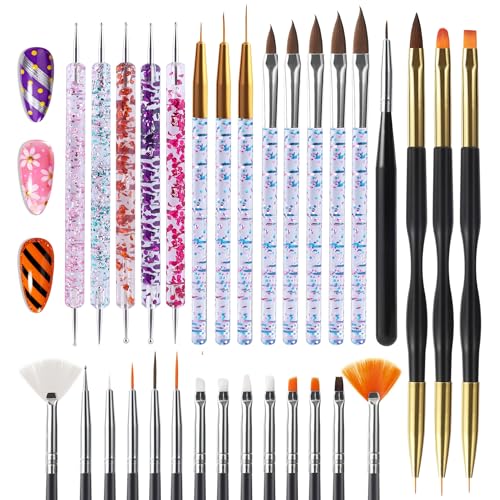
Artdone 31pcs Nail Art Brushes, Nail Art Tool Set, Dotting Tools, Dust Brush,Striping Brushes for Long Lines, Drawing Pen For Gel Polish Design supply
Package contains:Include 15pcs black nail art brushes set, 5pcs nail dotting tool,3pcs Nail Art Liner pen, 3pcs double…
As an affiliate, we earn on qualifying purchases.
As an affiliate, we earn on qualifying purchases.