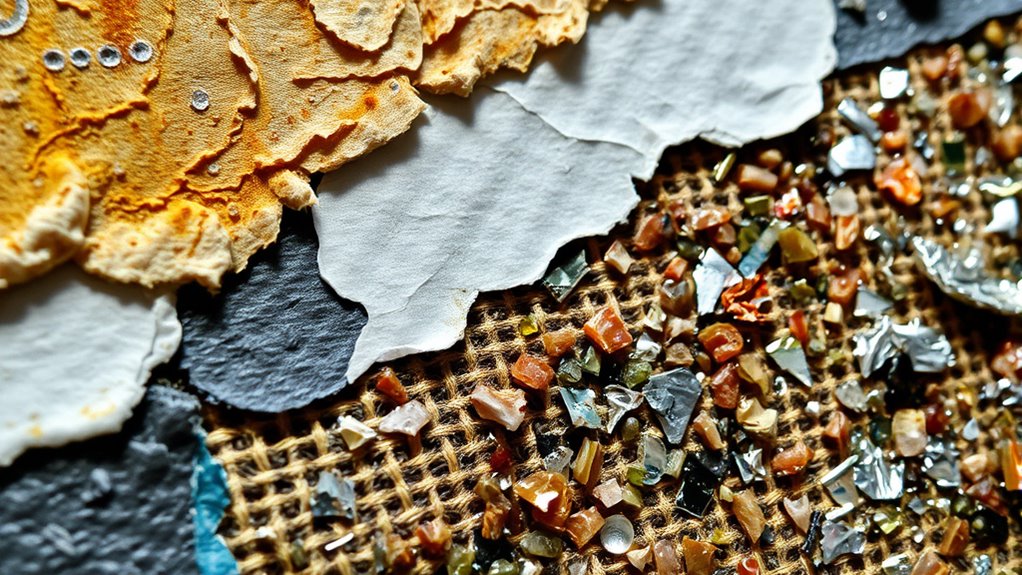

Understanding texture in mixed-media works involves recognizing how different materials and techniques create tactile and visual depth. You can experiment with natural elements like fabric, clay, or mineral materials, as well as man-made textures such as gels and embossed designs. By layering, manipulating surfaces, and combining various textures, you guide viewers’ emotions and cast mood or story through contrast and material choice. Exploring further lets you discover how to enhance sensory engagement and storytelling through texture.
Key Takeaways
- Texture in mixed media adds tactile and visual depth, engaging viewers emotionally and sensory perception.
- Artists utilize natural and man-made materials like fabric, clay, metal, and gels to create diverse textures.
- Techniques such as layering, impasto, and surface manipulation enhance tactile richness and visual interest.
- Visual cues like shading and pattern help viewers perceive texture, often mimicking real tactile qualities.
- Texture conveys mood, narrative, and cultural themes, influencing emotional response and storytelling in artwork.
Top picks for "understand texture media"
Open Amazon search results for this keyword.
As an affiliate, we earn on qualifying purchases.
The Role of Texture in Artistic Expression
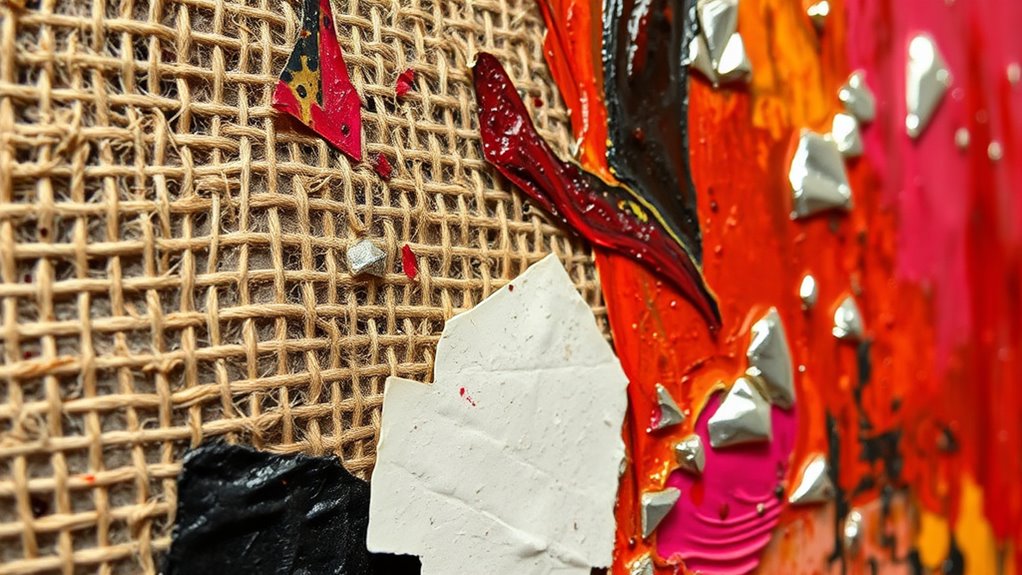
Texture plays a pivotal role in shaping how viewers experience and interpret a mixed-media artwork. It invites you to engage your senses beyond sight, creating a tactile dimension that deepens your connection to the piece. Through varied textures, artists evoke emotional resonance, making feelings more tangible. Rough surfaces can evoke tension or chaos, while smooth textures may suggest calm or harmony. By manipulating texture, you can guide viewers’ emotional responses, making the artwork more immersive. Your sensory engagement intensifies as viewers not only see texture but imagine how it might feel, heightening their overall experience. Additionally, understanding the power of visual elements in art can help artists intentionally craft textures that enhance their message. In this way, texture becomes a powerful tool for communicating complex emotions and adding depth to your artistic expression.
Types of Textures in Mixed Media
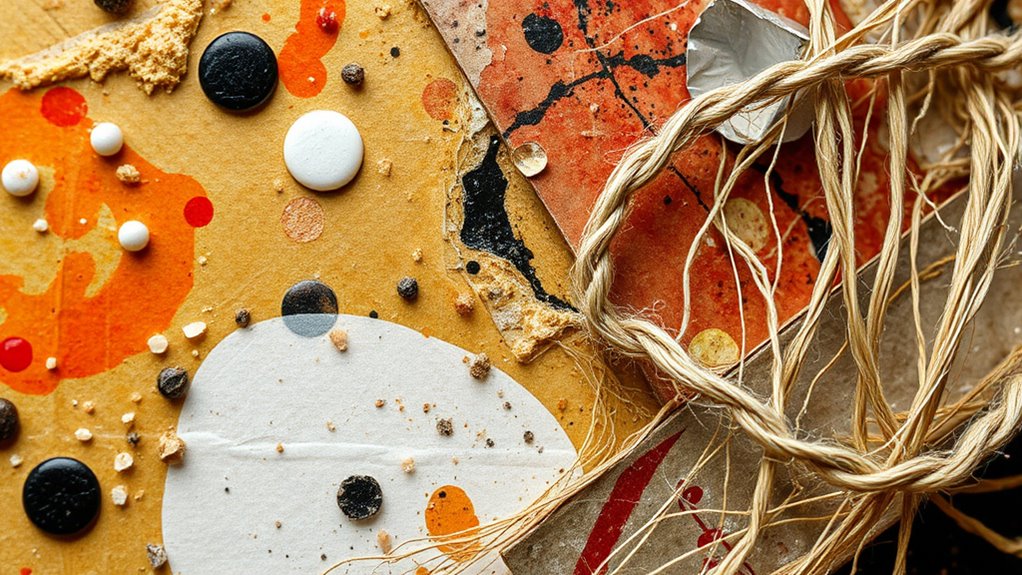
You can explore a variety of textures in mixed media by incorporating natural materials like wood or fabric, adding organic depth to your work. Man-made effects, such as textured gels or stencils, offer precise control over surface interest. Combining different textures allows you to create dynamic, layered compositions that engage the viewer on multiple sensory levels. Additionally, understanding sound healing science can inspire the rhythmic or tonal qualities of your textures, enriching the sensory experience of your artwork.
Natural Material Varieties
Natural materials bring a diverse array of textures to mixed-media artworks, allowing you to craft rich, tactile surfaces. Natural fibers like jute, hemp, and cotton add coarse or soft textures, depending on their weave and treatment. Mineral-based materials such as clay, sandstone, and mica provide rough, gritty, or shimmering effects that deepen visual interest. These materials can be layered or combined to create dynamic contrasts. To visualize, consider the table below:
| Material Type | Texture Effect | Usage Example |
|---|---|---|
| Jute (fiber) | Coarse, fibrous | Background texturing |
| Cotton (fiber) | Soft, smooth | Layering or highlights |
| Clay (mineral) | Rough, malleable | Sculptural elements |
| Mica (mineral) | Shimmering, smooth | Accents or embellishments |
| Sandstone | Gritty, porous | Grounding base layers |
These natural varieties foster authentic, tactile experiences in your artwork.
Man-Made Textural Effects
Man-made textures offer a wide range of creative possibilities in mixed-media art, allowing you to achieve precise and highly stylized effects. You can create artificial surfaces by applying materials like plastic, metal, or textured papers, giving your work a distinctive feel. Fabricated patterns, such as embossed designs or stamped impressions, add a sense of depth and structure. These textures can be manipulated to produce sharp contrasts or subtle nuances, depending on your intention. Techniques like using stencils, textured gels, or industrial materials enable you to craft surfaces that are intentionally artificial, emphasizing the constructed aspect of your piece. Man-made textures empower you to explore a variety of tactile effects, enhancing visual interest and adding layers of meaning to your mixed-media creations. Additionally, understanding ethical hacking techniques can inspire innovative approaches to problem-solving and security considerations within artistic and digital domains.
Combining Different Textures
Integrating different textures in mixed-media art creates dynamic visual interest by contrasting and complementing various surface qualities. When you combine smooth, rough, glossy, or matte textures, you engage viewers’ sensory experiences, encouraging them to explore the piece more deeply. Mixing materials like fabric, paper, metal, or paint layers adds richness and dimension. These combinations can also carry cultural symbolism, where specific textures evoke particular meanings or traditions. For example, rough textures might symbolize resilience or earthiness, while delicate, smooth surfaces suggest refinement or fragility. By thoughtfully blending textures, you craft a layered narrative that invites viewers to not only see but feel the artwork’s complexity, making your piece more immersive and meaningful. Considering the dog names you choose can also reflect the overall mood and theme of your work.
Techniques for Creating Texture
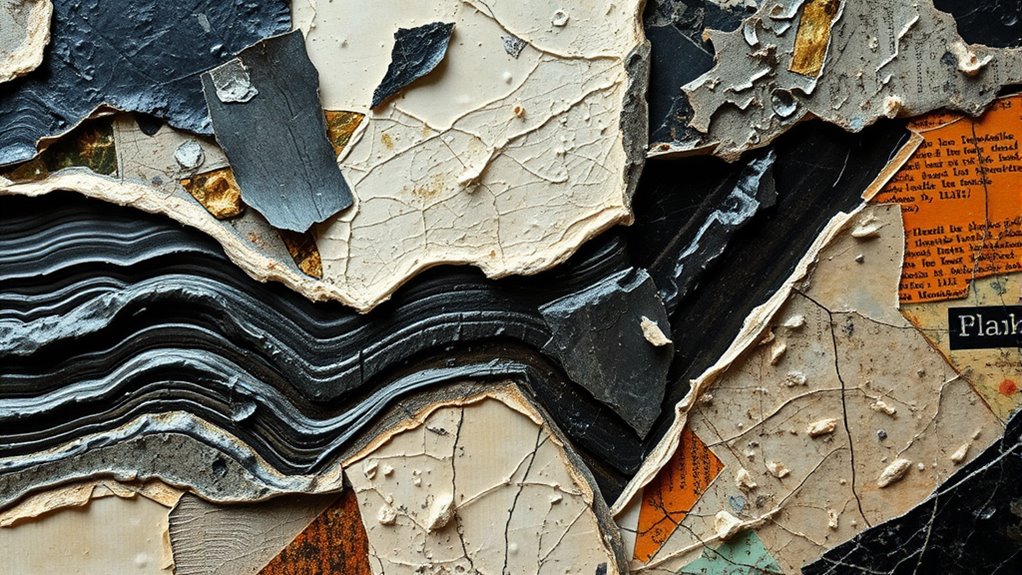
You can create rich textures by layering different materials, building depth and interest in your work. Experiment with stacking paper, fabric, or found objects to add physical dimension. Using impasto techniques with thick paint will also give your pieces bold, tactile surfaces that catch the eye. Incorporating essential oils into your mixed-media projects—such as through scented mediums or infused materials—can add an unexpected sensory layer that enhances the overall experience.
Layering Materials Effectively
To create compelling textures in mixed-media works, layering materials effectively is essential. Start with thoughtful layering techniques by adding different textures gradually, building depth and interest. Consider how each material interacts—material compatibility is key to ensuring layers adhere properly and don’t conflict. Use thicker mediums like gel mediums or modeling paste beneath lighter materials to prevent cracking or lifting. Vary your application methods, such as brushing, dripping, or stamping, to add visual complexity. Keep in mind the drying times and how layers may shift or blend over time. Properly managing these aspects allows you to develop rich, tactile surfaces that enhance your artwork’s overall depth and engagement. Regular maintenance of your tools and materials can also influence the quality of your textures. Mastering layering techniques and understanding material compatibility can improve the durability and versatility of your mixed-media art.
Using Impasto Techniques
Impasto techniques bring bold, tactile texture to mixed-media works by applying thick layers of paint or medium directly onto the surface. This approach creates a sense of depth and physicality, inviting viewers to experience the artwork’s surface firsthand. You can enhance visual interest by integrating color contrast within the impasto, making certain areas pop and guiding the viewer’s eye across the piece. Surface abrasion, achieved by scraping or scratching the thick paint, adds an extra layer of texture and reveals underlying layers or colors, creating a dynamic interplay. This technique encourages experimentation with different tools and movements, allowing you to craft highly expressive surfaces. Additionally, understanding the importance of contrast ratio can help artists manipulate the visual impact of their textures and depth in mixed-media works. By leveraging impasto methods, you transform flat surfaces into vibrant, tactile compositions that engage both sight and touch.
Manipulating and Enhancing Surface Quality
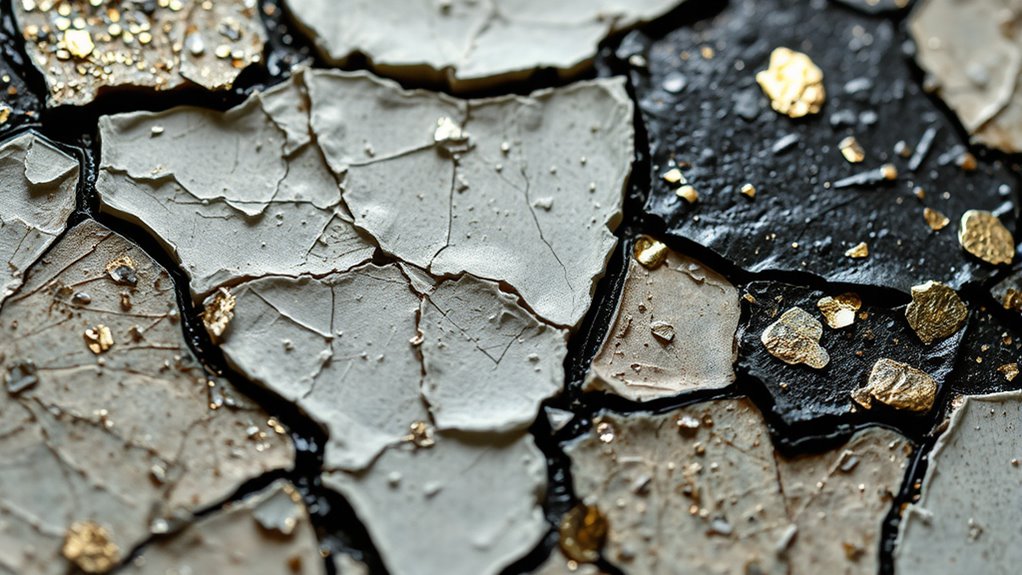
Manipulating and enhancing surface quality in mixed-media works allows you to create tactile interest and visual depth that engage viewers. You can achieve this by emphasizing fiber patterns, which add subtle or bold textures depending on your material choices. Altering surface gloss, whether through varnishes or mediums, influences how light interacts with your piece, enhancing or softening textures. For example, a glossy finish enhances smooth areas and highlights fiber patterns, making them stand out. Conversely, matte surfaces can diminish reflective qualities, emphasizing rougher textures. By carefully controlling these elements, you direct the viewer’s eye and evoke specific tactile responses. Experimenting with surface gloss and fiber patterns lets you craft a layered, dynamic surface that invites closer inspection and adds richness to your mixed-media work. Incorporating surface treatments like eco-friendly mediums can also contribute to the overall texture and sustainability of your artwork.
Combining Materials for Dynamic Textural Effects
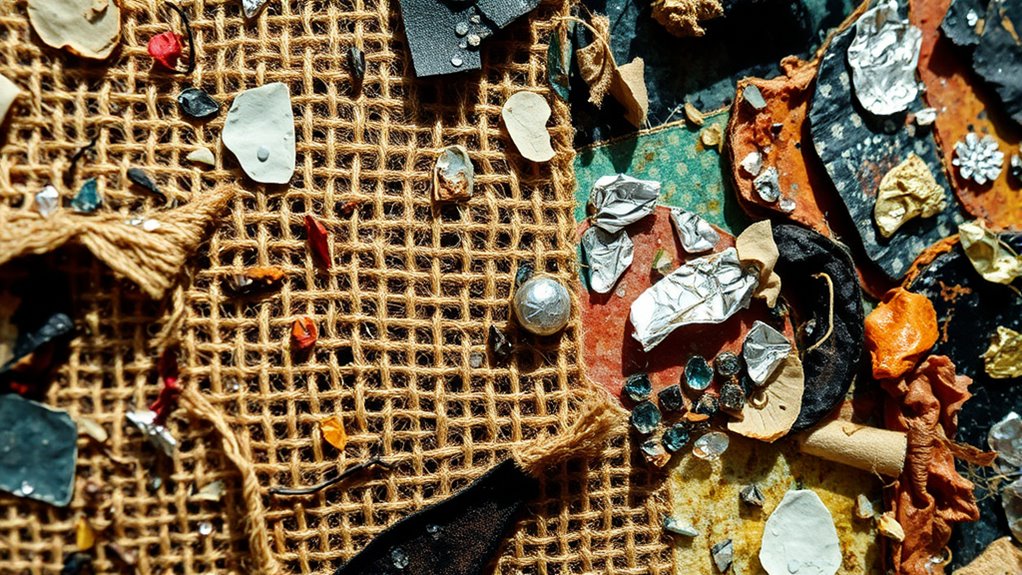
Building on surface enhancements, combining different materials allows you to create striking, multi-dimensional textures that captivate viewers. Fabric integration introduces tactile variety, adding softness or roughness to contrast with other media. By layering textiles with paints, papers, or found objects, you generate rich depth and visual interest. Using color contrast between materials enhances this effect, making each element stand out. For example, pairing a textured fabric with bold, vibrant paints creates a lively interplay of textures and hues. Experimenting with different material combinations encourages dynamic compositions and surprises. When you thoughtfully blend textures through fabric integration and color contrast, your work becomes more engaging and expressive, inviting viewers to explore the intricate surface details and the harmony of diverse materials. Incorporating material compatibility ensures that your mixed-media elements adhere properly and maintain their intended textures over time.
Tools and Tools to Achieve Desired Textures
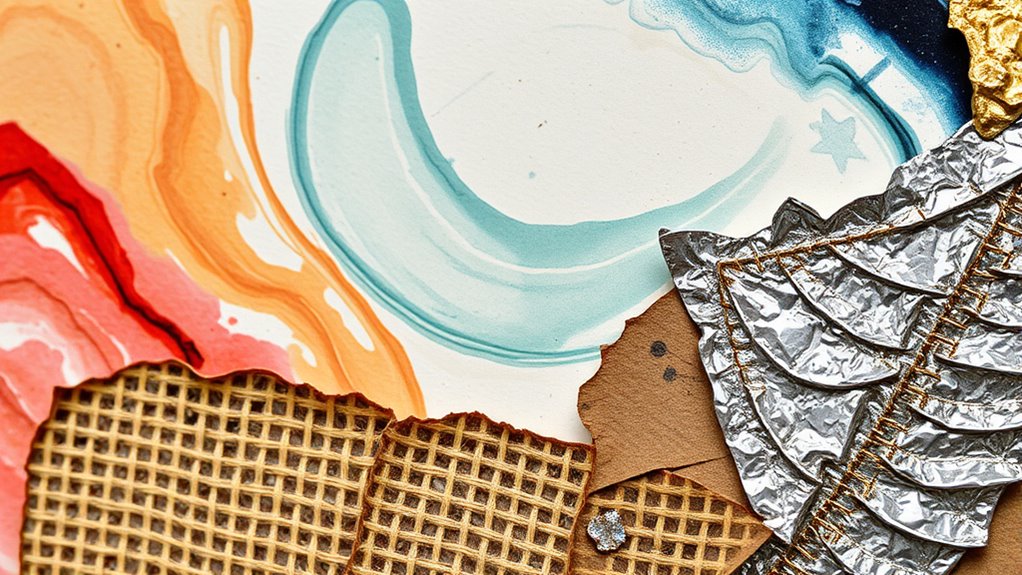
To create the desired textures in your mixed-media works, selecting the right tools is essential. Digital brushes offer a versatile way to add varied textures digitally, mimicking traditional effects like roughness, stippling, or glazing. They allow you to experiment quickly and adjust textures easily without physical mess. Texture stamps are another valuable tool; pressed onto surfaces or layered digitally, they generate consistent patterns and tactile effects that add depth to your work. Combining digital brushes with texture stamps gives you control over both spontaneity and precision. Whether working digitally or physically, these tools help you achieve specific textures effortlessly, enhancing the richness of your mixed-media pieces. Mastering their use opens up endless possibilities for creating engaging, textured art. Understanding textures is fundamental to elevating your mixed-media creations and making your artwork truly stand out.
Visual and Tactile Perception of Texture
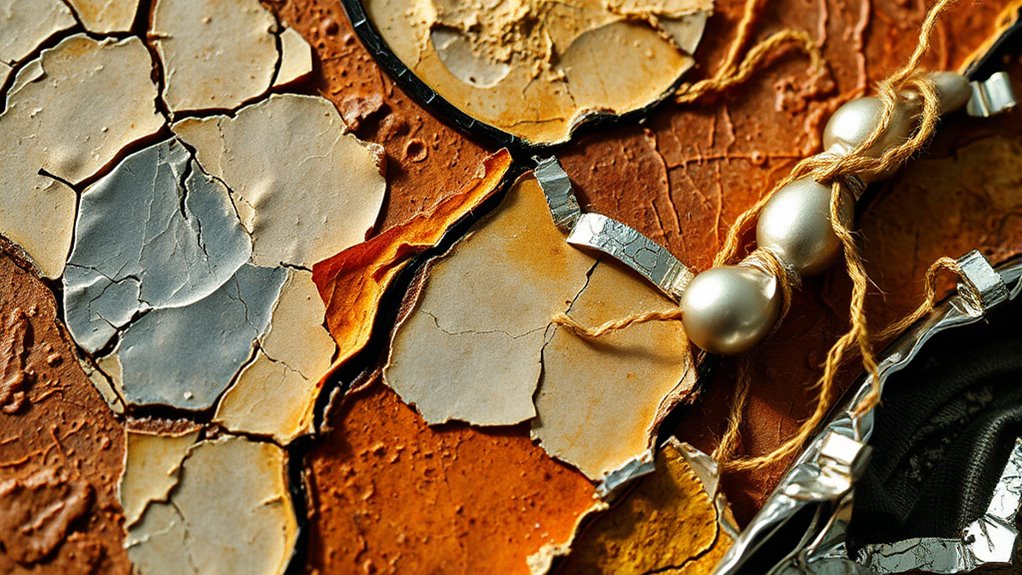
Understanding how viewers perceive texture involves more than just the physical surface; it also relies heavily on visual cues that evoke tactile sensations. Your brain interprets visual information, such as shading, pattern, and contrast, to create a sense of tactile feedback even when you’re not touching the artwork. Artists often use visual illusions to mimic real textures, tricking your eyes into perceiving roughness, smoothness, or depth. These illusions activate your sensory expectations, making you imagine how the texture might feel. When combined with actual tactile cues—like raised surfaces or varied materials—the perception becomes more vivid. By understanding these visual and tactile interactions, you can better craft mixed-media works that engage both the eyes and the mind, creating more immersive and convincing textures.
Incorporating Texture to Convey Mood and Narrative
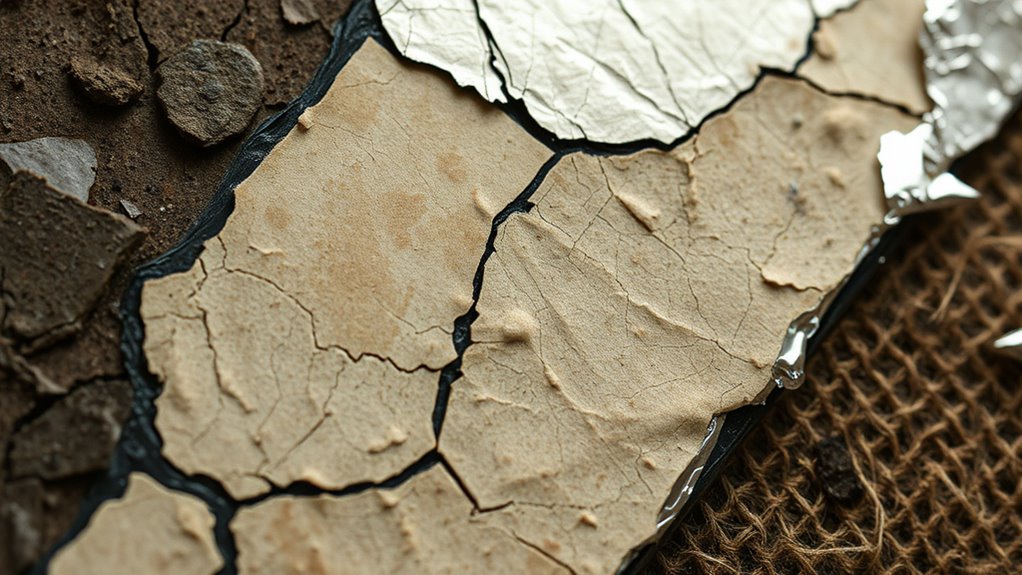
Texture in mixed-media works does more than just add visual interest; it actively shapes the mood and tells a story. When you incorporate different textures, you engage the viewer’s senses, creating a deeper emotional resonance. You can evoke feelings like chaos with rough, layered surfaces or serenity with smooth, gentle textures. To effectively convey mood and narrative, consider these approaches:
Texture shapes mood and story—use contrast, layers, and materials to evoke emotion and depth.
- Use contrasting textures to highlight tension or harmony.
- Layer tactile elements to add depth and complexity.
- Select materials that align with the story’s emotional tone.
- Be aware of scams and red flags associated with art investments, ensuring your choices are secure and reputable.
Frequently Asked Questions
How Does Texture Influence Viewer Emotional Response?
Texture plays a essential role in shaping your emotional response by creating tactile engagement that draws you in. When you experience rich, varied textures, they evoke feelings of comfort, excitement, or even discomfort, adding emotional depth to the artwork. Your senses are heightened through tactile engagement, allowing you to connect more deeply with the piece, making the emotional experience more intense and memorable.
Can Texture in Mixed Media Be Purely Symbolic?
You might see texture in mixed-media as purely symbolic when it represents ideas or emotions beyond its physical feel. Artists use symbolic representation to evoke specific feelings, creating a tactile illusion that suggests depth or meaning without actual texture. This approach allows you to interpret texture as more than just surface, recognizing its role in conveying concepts or narratives, even when the texture isn’t physically tangible.
What Are Common Mistakes When Creating Textured Surfaces?
Imagine a tapestry where every thread fights for attention—that’s what overusing texture can feel like in your work. Common mistakes include piling on textures without purpose, which overwhelms the piece, and neglecting surface harmony, causing chaos instead of cohesion. Be mindful not to drown your artwork in too many textures or neglect how they interact. Balance is key; let each element breathe to create a unified, compelling surface.
How Does Lighting Affect the Perception of Texture?
Lighting substantially influences how you perceive texture in artwork. When you adjust light intensity, surfaces can appear more or less tactile, highlighting or softening details. Shadow play adds depth, making textures stand out or recede. By controlling these elements, you guide the viewer’s eye and evoke specific feelings. So, pay attention to how light interacts with your work, as it can transform flat surfaces into rich, textured experiences.
Are There Cultural Differences in Texture Interpretation?
Have you ever wondered if different cultures see texture differently? Cultural symbolism influences how you interpret tactile perception, shaping your emotional response to mixed-media works. You might associate rough textures with hardship or smooth surfaces with serenity, depending on your background. These cultural differences create diverse perceptions, making texture a powerful tool for conveying meaning. Recognizing this helps you appreciate art’s rich, varied ways of expressing human experience across cultures.
Conclusion
So, now you’re a texture aficionado—ready to turn your mixed-media works into tactile tales. Just remember, all those bumpy, gritty, glossy surfaces aren’t just for show; they’re your secret weapons to fool the eye and tickle the skin. With a few clever tricks, you’ll have viewers reaching out, wondering if they can feel your art’s emotional depth. Who knew that a little texture could make your masterpieces so irresistibly irresistible?