
TL;DR

Get art and craft supplies delivered free with Prime
- Fast, free delivery on millions of items
- Prime Video, Amazon Music and more included
- Member-only deals all year
The Venice Biennale president has publicly defended Russia’s inclusion in the upcoming exhibition amid mounting criticism. The statement marks a rare direct response to controversy surrounding Russia’s participation, emphasizing artistic independence. Details about the extent of the debate and future implications remain unclear.
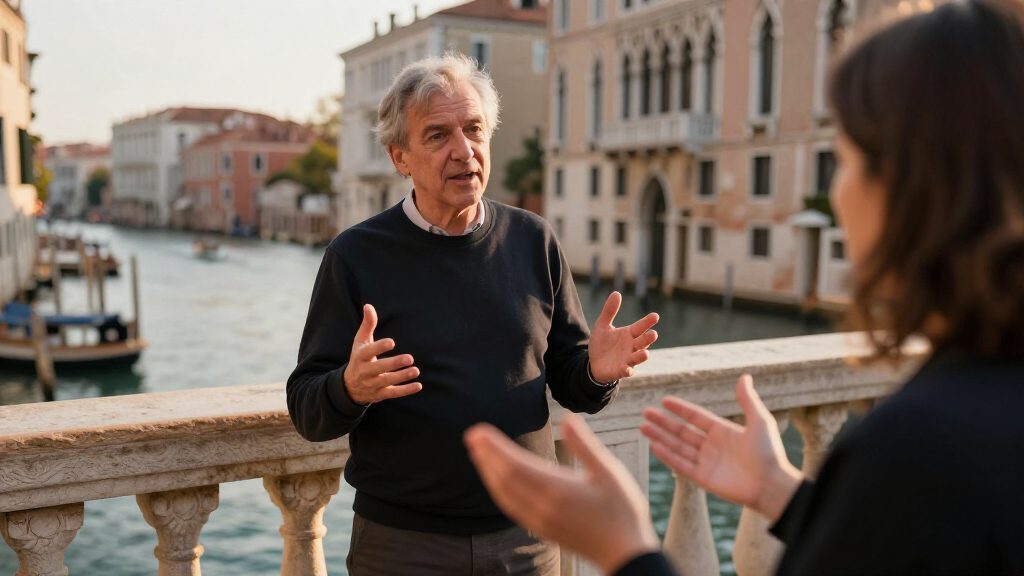
The president of the Venice Biennale has issued a public statement defending Russia’s inclusion in the upcoming exhibition, amid widespread criticism and debate. The statement, released in an interview conducted earlier this week, marks a rare direct response from the Biennale leadership regarding the controversy over Russia’s participation, which has become a focal point of arts and political discourse. This development is significant because it underscores the Biennale’s stance on artistic independence and raises questions about the event’s political neutrality.
According to sources close to the Venice Biennale, the president emphasized that the decision to include Russian artists was based solely on artistic merit and freedom of expression. The statement comes amid growing criticism from various artists, cultural figures, and international observers who argue that Russia’s participation could be seen as a political statement or a form of legitimization amid ongoing geopolitical tensions. The president reportedly stated, “Art should transcend politics, and the Venice Biennale remains committed to showcasing diverse voices, including those from Russia.” The interview also touched on the Biennale’s long-standing tradition of promoting artistic dialogue beyond political conflicts, although specific details about the selection process or the number of Russian artists involved were not disclosed.
Implications of the Biennale’s Defense of Russia’s Inclusion
This statement is significant because it signals the Venice Biennale’s firm stance on maintaining artistic independence despite external pressures. The controversy over Russia’s participation reflects broader debates about the role of art in political contexts, especially as global tensions escalate. The Biennale’s support for Russian artists could influence perceptions of the event’s neutrality and impact its reputation among critics and supporters alike. For artists and cultural institutions worldwide, the stance may set a precedent on how political conflicts intersect with international art exhibitions, potentially shaping future decisions about participation and inclusion.
As an affiliate, we earn on qualifying purchases.
Background of the Russia Controversy at the Venice Biennale
The Venice Biennale, one of the most prestigious international art exhibitions, has historically promoted cultural exchange and artistic dialogue. Recently, however, the inclusion of Russian artists has become contentious amid ongoing geopolitical tensions stemming from Russia’s actions in Ukraine and other conflicts. Critics have argued that allowing Russian participation could be perceived as endorsing or legitimizing the Russian government’s policies, leading to calls for boycotts or exclusions. The controversy intensified after some artists and organizations publicly questioned the appropriateness of Russia’s presence, citing moral and political concerns. The Biennale’s leadership has generally maintained a stance of neutrality, emphasizing artistic freedom, but the debate has grown more vocal in recent weeks.
As an affiliate, we earn on qualifying purchases.
Unresolved Questions About Russian Participation and Future Actions
It is not yet clear how many Russian artists are involved, or whether the Biennale plans to address the controversy through specific policies or statements. The scope of the criticism and whether other international exhibitions will follow suit remain unknown. Additionally, the impact of this stance on the event’s reputation and future participation decisions is still uncertain, as the leadership has not disclosed detailed plans or responses to mounting criticism.
As an affiliate, we earn on qualifying purchases.
Next Steps in the Venice Biennale’s Response to the Controversy
The Venice Biennale is expected to continue defending its decision publicly, possibly releasing further statements or clarifications. Attention will likely focus on whether the organizers will modify their selection process or issue guidelines regarding political conflicts. The event itself is scheduled to open in the coming months, and observers will be watching how the controversy influences public perception and participation. Additionally, other international art institutions may respond or adapt based on the Biennale’s stance and developments.
As an affiliate, we earn on qualifying purchases.
Key Questions
Why is Russia’s inclusion at the Venice Biennale controversial?
Critics argue that including Russian artists amid ongoing geopolitical conflicts, especially related to Ukraine, could be seen as a political endorsement or a violation of moral principles. Some believe it undermines the event’s neutrality and raises questions about the role of politics in art.
What did the Venice Biennale president say about Russia’s participation?
The president emphasized that art should transcend politics and that the Biennale’s decision was based on artistic freedom and diversity, not political considerations.
How might this controversy affect future international art exhibitions?
The controversy could influence how other exhibitions handle politically sensitive participation, potentially leading to more explicit policies or debates about the intersection of art and geopolitics.
Are there any specific actions planned in response to the criticism?
As of now, the Biennale has not announced any specific policy changes but is expected to continue defending its stance publicly. Further responses may be forthcoming as the event approaches.
Will the number of Russian artists involved be disclosed?
It is not yet clear how many Russian artists will participate or whether the organizers will provide detailed information about their involvement.
Source: rss
Halloween Picks
halloween
As an affiliate, we earn on qualifying purchases.