
TL;DR

Get art and craft supplies delivered free with Prime
- Fast, free delivery on millions of items
- Prime Video, Amazon Music and more included
- Member-only deals all year
In 2018, interest surged around the preserved Soviet control rooms, showcasing their vintage design and historical importance. Experts emphasize their cultural value and technological legacy.
In 2018, the preserved control rooms from the Soviet era attracted renewed attention for their distinctive vintage design and historical significance. These control centers, once vital for managing nuclear, military, and space operations, are now considered important cultural artifacts, with efforts underway to preserve them as part of Cold War history.
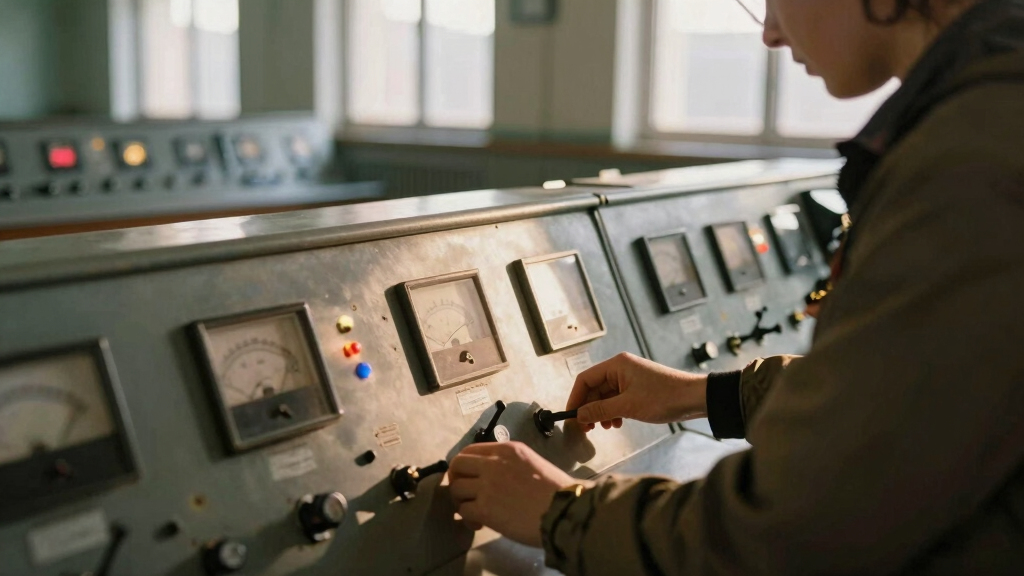
Many Soviet control rooms from the 1960s to 1980s remain intact across former Soviet states, showcasing a unique blend of utilitarian design and technological innovation of their time. Photographs and documentation from 2018 reveal their complex consoles, vintage instrumentation, and the distinctive Soviet aesthetic, which has garnered interest from historians and enthusiasts alike.
Several of these control rooms are now part of museums or are preserved in situ, with some open to public tours. Experts note that these sites provide valuable insights into Cold War-era technology and governance. Preservation efforts are often supported by government agencies, museums, and private collectors, aiming to maintain these relics amid urban development pressures.
While some control rooms have been modernized or repurposed, others remain largely untouched, offering a rare glimpse into Soviet technological ambitions and operational practices. The preservation of these sites is viewed as critical for understanding Cold War history and the technological legacy of the Soviet Union.
Cultural and Historical Value of Soviet Control Rooms
The preserved Soviet control rooms serve as tangible links to Cold War history, illustrating the technological and strategic mindset of the era. They offer insights into Soviet military and space programs, and their preservation helps educate future generations about this complex period. Additionally, their distinctive design has aesthetic and nostalgic appeal, making them important cultural artifacts.
As an affiliate, we earn on qualifying purchases.
Historical Background and Preservation Efforts in 2018
During 2018, interest in Soviet-era infrastructure grew as historians, architects, and enthusiasts documented and preserved control rooms across the former USSR. Many of these sites date back to the height of Cold War tensions, such as the 1960s and 1970s, when the Soviet Union built extensive command centers for nuclear and military oversight.
In recent years, some control rooms have been designated as historic sites, with preservation projects initiated to maintain their original features. These efforts are driven by a desire to safeguard Cold War history amid urbanization and technological change. Notably, some control rooms have been turned into museums, providing educational tours and exhibitions.
However, the condition of these sites varies, with some suffering from neglect or deterioration, raising concerns among preservationists. The debate continues over the best ways to conserve these relics while making them accessible to the public.
“These control rooms are a window into the Soviet Union’s strategic mindset and technological ambitions during the Cold War.”
— Dr. Ivan Petrov, Cold War historian
Cold War control room museum tour tickets
As an affiliate, we earn on qualifying purchases.
As an affiliate, we earn on qualifying purchases.
Uncertainties About the Condition and Accessibility
It is not yet clear how many Soviet control rooms remain fully intact or accessible to the public. Some sites are in disrepair, and preservation efforts face funding and logistical challenges. Additionally, the extent to which these sites accurately reflect their original operational state remains uncertain, as many have been modified or partially dismantled over time.
Vintage Soviet control room poster
As an affiliate, we earn on qualifying purchases.
As an affiliate, we earn on qualifying purchases.
Future Preservation and Public Engagement Plans
Moving forward, experts and institutions plan to expand preservation projects, potentially turning more control rooms into museums or educational sites. There is also ongoing discussion about digital reconstructions and virtual tours to increase public access while conserving physical sites. The next major step involves securing funding and developing policies to protect these sites from urban development and neglect.
As an affiliate, we earn on qualifying purchases.
Key Questions
Why are Soviet control rooms considered historically significant?
They represent the technological and strategic efforts of the Soviet Union during the Cold War, offering insights into military, space, and nuclear management systems of that era.
Are any Soviet control rooms open to the public today?
Yes, some have been turned into museums or are accessible through guided tours, though many remain private or in disrepair.
What challenges exist in preserving these control rooms?
Funding, environmental deterioration, and urban development pose significant challenges to maintaining and protecting these sites.
How do preservationists plan to protect these sites in the future?
Efforts include official designation as historic sites, funding initiatives, and digital reconstructions to ensure their legacy endures.
Source: hn
Fall Picks
fall essentials
As an affiliate, we earn on qualifying purchases.