
TL;DR

Get art and craft supplies delivered free with Prime
- Fast, free delivery on millions of items
- Prime Video, Amazon Music and more included
- Member-only deals all year
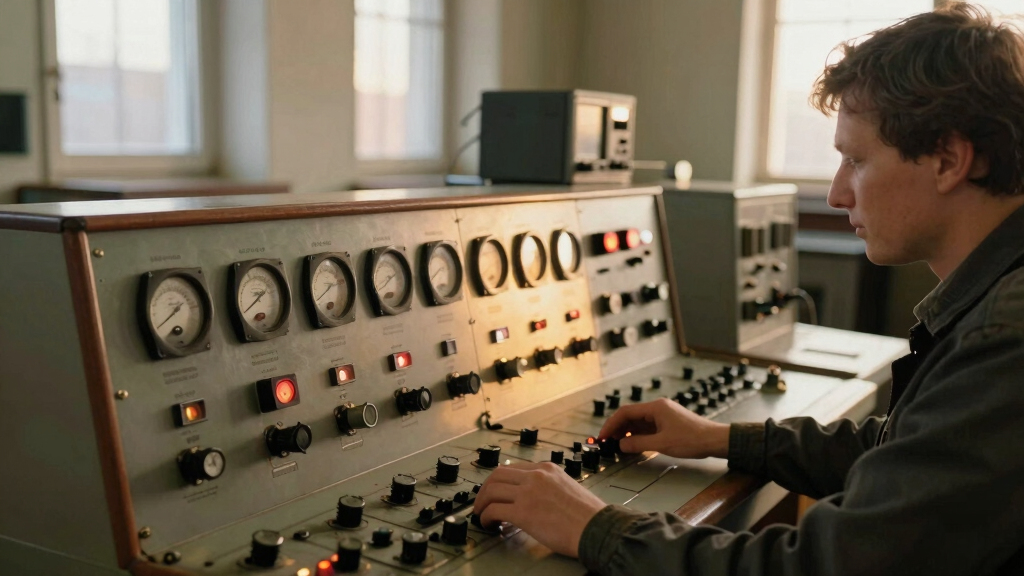
In 2018, researchers and historians showcased vintage Soviet control rooms, revealing their distinctive design and technological features. These sites offer insight into Cold War-era infrastructure and continue to attract interest for their historical value.
In 2018, several Soviet-era control rooms were opened to the public, offering a rare glimpse into the technological and architectural design of Cold War infrastructure. These sites, largely preserved in their original state, attract historians, enthusiasts, and tourists interested in the legacy of Soviet technological development and military history.
The control rooms, situated in former military and space facilities across Russia and other former Soviet states, feature vintage consoles, analog gauges, and Soviet-era design elements. Experts note that their layout and equipment reflect the technological standards of the 1960s and 1970s, with some rooms still maintaining their original hardware intact.
According to preservationists and historians, these control rooms served critical roles in managing missile launches, space missions, and military communications during the Cold War. The 2018 openings were part of broader efforts to document and preserve these sites amid concerns over their deterioration and potential loss of historical artifacts.
Many of these control rooms are now part of museums or are being restored by private collectors and government agencies, aiming to maintain their historical integrity and educate the public about Soviet technological achievements.
Cultural and Historical Value of Soviet Control Rooms
The preservation and public display of these Soviet control rooms matter because they offer tangible insights into Cold War history, Soviet technological innovation, and military strategy. They serve as cultural artifacts that help contextualize the geopolitical tensions of the era and demonstrate the technological ambitions of the Soviet Union.
Furthermore, these sites are significant for understanding the evolution of control room design, from analog systems to modern digital infrastructure. Their preservation allows future generations to appreciate the scale and complexity of Soviet technological efforts during a pivotal period in history.
vintage Soviet control room replica model
As an affiliate, we earn on qualifying purchases.
As an affiliate, we earn on qualifying purchases.
Cold War Infrastructure and Preservation Efforts
During the Cold War, the Soviet Union built numerous control rooms to oversee missile launches, space missions, and military communications. Many of these facilities were classified and hidden from public view, with some only emerging decades later. By 2018, interest in these sites grew as historians and enthusiasts sought to document and preserve them amid concerns over decay and potential destruction.
Efforts to restore and open these control rooms to the public gained momentum, with some sites becoming museums or heritage sites. These initiatives aim to balance historical preservation with public education, highlighting Soviet technological achievements and Cold War history.
“Many of these control rooms are in fragile condition; our goal is to preserve them for future generations to understand this crucial part of history.”
— Alexei Petrov, preservationist
As an affiliate, we earn on qualifying purchases.
Uncertainties About the Current State and Accessibility
It is not yet clear how many of these Soviet control rooms remain fully intact or accessible to the public. Some sites may have suffered deterioration or restricted access due to safety concerns or ongoing political sensitivities. Details about the extent of preservation and the future plans for these sites are still emerging.
Soviet space mission control console replica
As an affiliate, we earn on qualifying purchases.
As an affiliate, we earn on qualifying purchases.
Future Plans for Preservation and Public Engagement
Authorities and preservation groups are expected to continue efforts to restore and maintain these control rooms. Future initiatives may include expanding public tours, developing virtual or augmented reality experiences, and securing funding for ongoing conservation. The goal is to ensure these sites remain accessible and informative for future generations.
As an affiliate, we earn on qualifying purchases.
Key Questions
Why are Soviet control rooms considered historically significant?
They provide tangible insights into Cold War military and space infrastructure, showcasing Soviet technological capabilities and strategic planning during a pivotal era.
Are these control rooms still operational today?
Most are no longer operational; they are preserved as historical sites or museums. Some may have limited functional equipment for display purposes.
How are these sites being preserved?
Preservation efforts include restoration by government agencies, private collectors, and museums, focusing on maintaining original hardware and architectural features.
Can the public visit these control rooms?
Some sites are open to the public through guided tours or as part of museum exhibits, though access varies depending on the location and condition.
What challenges exist in preserving these control rooms?
Challenges include structural deterioration, funding limitations, safety concerns, and political sensitivities related to Cold War history.
Source: hn
Fall Picks
fall essentials
As an affiliate, we earn on qualifying purchases.