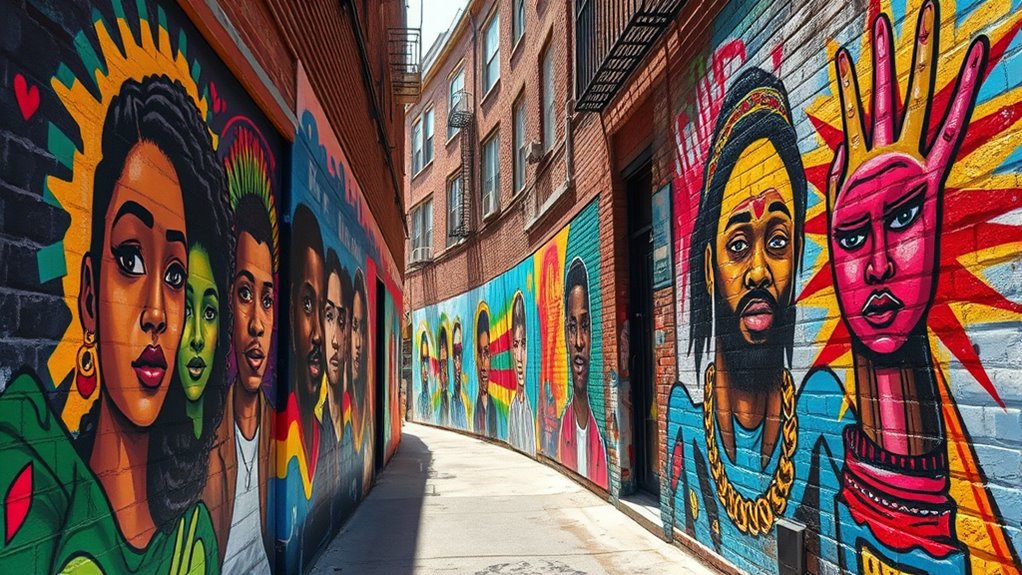

Street art transforms urban spaces into vibrant platforms for community expression, activism, and cultural identity. It allows residents to claim space, share stories, and challenge authority while attracting outsiders’ attention. As murals reflect neighborhood struggles, pride, and history, they shape perceptions and foster local pride. Although gentrification can threaten authenticity, street art often maintains community spirit. If you want to understand how these artistic movements influence social dynamics deeper, there’s more to explore below.
Key Takeaways
- Street art transforms urban spaces into platforms for community expression and social commentary.
- It fosters local pride and collective identity through murals and public artworks.
- Street art can catalyze social activism by highlighting community struggles and histories.
- It attracts visitors and investment, influencing neighborhood gentrification and socio-economic dynamics.
- Street art shapes neighborhood perceptions, reinforcing community resilience amid urban change.

Street art movements have transformed urban landscapes into vibrant platforms for social expression, often challenging traditional notions of art and authority. As you walk through neighborhoods adorned with murals, graffiti, and stencil art, you’re witnessing more than just creative expression—you’re seeing reflections of community struggles, histories, and hopes. These artworks can act as catalysts for change, but they also influence complex social dynamics, especially surrounding gentrification effects and community identity. When street art gains popularity, it often attracts new visitors, investors, and residents, which can lead to gentrification. This process might boost local economies, but it also risks displacing longtime residents and eroding the very community identity that inspired the art in the first place. You might notice trendy cafes and boutique shops replacing affordable housing or longstanding businesses, all while the murals you admire become symbols of a neighborhood’s evolving character.
This transformation can be bittersweet. On one hand, street art can energize a community, foster pride, and serve as a rallying point for social movements. On the other, it can inadvertently contribute to gentrification effects by making a neighborhood more attractive to outsiders, often pushing up property prices and changing its socio-economic fabric. You may find that murals depicting local history or cultural icons suddenly become photo backdrops for new, wealthier residents, diluting the authenticity of the original community. Yet, despite these challenges, street art also plays a crucial role in maintaining community identity. It’s a way for residents to claim space, tell their stories, and resist erasure. When you see murals that highlight local struggles or celebrate cultural heritage, you’re witnessing a form of activism that’s rooted in the community’s identity and resilience. Moreover, many street artists incorporate symbols and motifs that reflect cultural symbolism and collective memory, strengthening community bonds through shared artistic language.
The impact of street art on community identity isn’t just visual; it’s deeply social. It can foster a sense of belonging and pride, especially when locals participate in creating or commissioning artwork. At the same time, it can serve as a visual dialogue—a reminder of histories, ongoing struggles, and aspirations. You may notice how different neighborhoods develop their own artistic voices, reinforcing their unique identities amid change. While gentrification effects pose real challenges, street art keeps alive the collective memory and spirit of communities. It’s a powerful tool that, despite its potential drawbacks, continues to shape how neighborhoods see themselves and how they’re perceived by others.

Montana Black 400ml Complete Artist Set of 24 Aerosol Spray Paint kit for Professional Crafting Graffiti Street Art Murals and Stencils
- Vibrant Color Selection: Includes red, orange, blue, green, black, white, and more
- UV Resistant & Long-Lasting: Provides excellent UV resistance and color durability
- High-Quality Matte Finish: Offers quick-drying, matte coverage, and easy control
As an affiliate, we earn on qualifying purchases.
As an affiliate, we earn on qualifying purchases.
Frequently Asked Questions
How Does Street Art Influence Local Community Identity?
Street art shapes your community identity by fostering pride and showcasing cultural expression. When you see murals and graffiti reflecting local stories, you feel a stronger connection to your neighborhood. It encourages residents to take ownership and celebrate their unique culture. This art form transforms public spaces into vibrant expressions of community spirit, making everyone more engaged and united in preserving their local heritage and identity.
Can Street Art Be Considered a Form of Political Activism?
Street art certainly can be considered a form of political activism because it powerfully promotes political expression and social commentary. By boldly broadcasting messages on public surfaces, you challenge traditional boundaries and spark conversations. This visual voice amplifies awareness, advocates for change, and questions the status quo. In this way, street art becomes a provocative platform for protest, pushing societal progress and encouraging public participation in pressing political issues.
What Are the Economic Impacts of Street Art on Neighborhoods?
You’ll notice that street art can substantially boost local economies by attracting tourists and increasing foot traffic. However, gentrification effects may follow, leading to rising property prices and displacement of long-term residents. While neighborhoods experience tourism boosts, they might also face challenges like commercialization and loss of original character. It’s a balancing act where the economic benefits come with potential social costs, shaping the neighborhood’s overall vibe.
How Do Street Artists Navigate Legal Restrictions and Censorship?
Ever wonder how street artists handle legal restrictions and censorship? You might find that they often exploit legal loopholes or work during specific hours to avoid vandalism perceptions. Many navigate these challenges by collaborating with local authorities or creating sanctioned murals, which help legitimize their work. They adapt creatively, balancing their artistic expression with legal boundaries, proving that persistence and ingenuity can overcome even strict regulations.
What Role Does Social Media Play in Street Art Movements?
You see, social media plays a vital role in street art movements by boosting digital engagement and enabling viral dissemination. It allows you to share your work instantly with a global audience, breaking down geographical barriers. This visibility helps you gain recognition, inspire others, and even influence public opinion. Social media acts as a powerful tool, transforming local street art into worldwide phenomena, and fostering a sense of community among artists and supporters alike.

AFRITEE Reusable Graffiti Stencils for Painting – 36 Pcs Against War Street Art Painting Stencil for DIY Clothes Canvas Decoration, Pursuit of Peace Graffiti Template for Wall Spray Paint Decor
- Number of Stencils: 36 peace-themed designs
- Suitable Surfaces: Clothes, canvases, walls
- Reusable and Easy to Clean: Durable and washable
As an affiliate, we earn on qualifying purchases.
As an affiliate, we earn on qualifying purchases.
Conclusion
You’ve seen how street art transforms communities, sparks conversations, and gives voice to the unheard. It challenges norms and inspires change, proving that art isn’t just for galleries but for everyone. Remember, “A picture is worth a thousand words,” and street art speaks loudly. By embracing these movements, you help foster understanding and unity, proving that even in the streets, hope and creativity can thrive. Keep supporting and spreading the power of art.
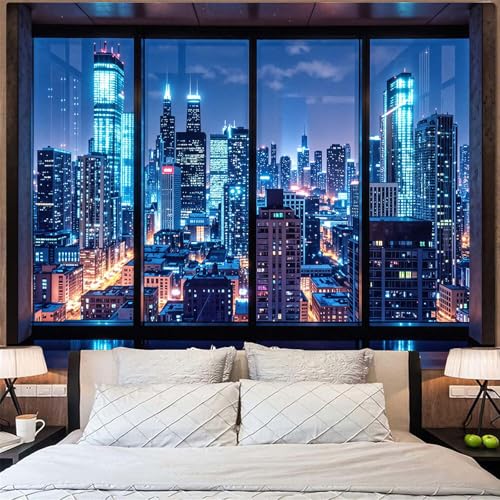
Lifeella City Night Window Tapestry, Cyberpunk Skyscraper Wall Backdrop, Blue Neon Urban View Mural for Bedroom Living Room Decor, 60×80 inches
- Size Options: Multiple dimensions available
- 3D Night City View: Creates panoramic cyberpunk skyline illusion
- Premium Fabric: Durable polyester with vibrant printing
As an affiliate, we earn on qualifying purchases.
As an affiliate, we earn on qualifying purchases.
As an affiliate, we earn on qualifying purchases.