
TL;DR

Get art and craft supplies delivered free with Prime
- Fast, free delivery on millions of items
- Prime Video, Amazon Music and more included
- Member-only deals all year
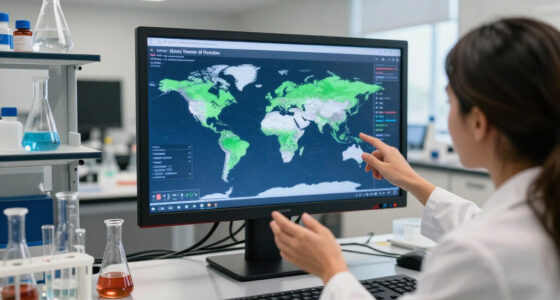
The Smithsonian Institution has seen a dramatic increase in global media coverage, with mentions rising 14 times compared to baseline levels. This surge indicates heightened international interest in its exhibitions, research, and cultural programs.
The Smithsonian Institution has experienced a significant surge in international media coverage, with mentions increasing 14 times compared to baseline levels, according to data from GDELT. This rise in attention underscores the institution’s growing global influence and relevance, making it a focal point for cultural discussions worldwide.
According to GDELT, a global media monitoring database, the Smithsonian was mentioned 30 times within the recent reporting window, compared to an average baseline of approximately 2 mentions. This represents a 14-fold increase in media attention, the highest surge recorded in recent years.
The increase is linked to multiple factors, including high-profile exhibitions, international collaborations, and renewed media interest in its research initiatives. Notably, recent exhibitions on indigenous cultures and recent discoveries in archaeology have attracted extensive coverage across various countries, similar to how the National Gallery has surged in global coverage.
Experts suggest this surge reflects a broader trend of increased global engagement with American cultural institutions, possibly driven by digital outreach efforts and international partnerships, similar to the growth seen by the California Museum. The Smithsonian has also announced upcoming exhibitions and initiatives that have garnered international media interest, further amplifying its visibility.
Implications of the Smithsonian’s International Media Surge
The surge in global coverage highlights the Smithsonian’s expanding influence beyond U.S. borders, positioning it as a key player in international cultural diplomacy and scientific research. Increased media attention can lead to higher visitor numbers, more international collaborations, and greater global awareness of its collections and initiatives.
For the public and policymakers, this attention underscores the importance of supporting the Smithsonian’s funding and outreach efforts, as it now plays a more prominent role in shaping global cultural narratives. The rise in coverage also suggests a growing global appetite for American history, science, and culture, which the Smithsonian is well-placed to serve.
As an affiliate, we earn on qualifying purchases.
Recent Factors Driving the Media Attention Increase
The recent surge aligns with several key developments at the Smithsonian. Over the past few months, the institution has launched several high-profile exhibitions, including those on indigenous cultures and recent archaeological discoveries, which have attracted international media interest.
Additionally, the Smithsonian has expanded its digital presence, making its collections and research more accessible worldwide. Collaborations with foreign museums and universities have also contributed to increased coverage, as these partnerships often generate international media stories.
Historically, the Smithsonian’s media presence has been substantial within the United States, but recent efforts seem to have amplified its international profile, possibly as part of broader strategic initiatives to increase global engagement.
indigenous cultures educational kit
As an affiliate, we earn on qualifying purchases.
As an affiliate, we earn on qualifying purchases.
Unconfirmed Factors Behind the Media Surge
While the data confirms a sharp increase in mentions, it remains unclear how much of this coverage is sustained or driven by specific campaigns versus organic interest. The exact sources of the media attention, whether from particular countries or outlets, are still being analyzed.
Additionally, it is not yet confirmed whether this surge will translate into increased visitor numbers, funding, or long-term international partnerships, as these outcomes depend on future engagement and institutional strategies.
archaeology discovery kit for kids
As an affiliate, we earn on qualifying purchases.
As an affiliate, we earn on qualifying purchases.
Future Steps to Sustain and Measure Media Impact
The Smithsonian plans to monitor ongoing media coverage closely and evaluate the impact on its international engagement efforts. It is expected to launch new exhibitions and digital initiatives aimed at maintaining global interest.
Furthermore, the institution will likely seek to formalize international partnerships and increase outreach programs to capitalize on the current surge in visibility. Analysts anticipate that continued media attention could lead to tangible benefits such as increased visitor numbers and funding opportunities.
Smithsonian digital museum membership
As an affiliate, we earn on qualifying purchases.
As an affiliate, we earn on qualifying purchases.
Key Questions
What caused the surge in Smithsonian media coverage?
The surge is linked to recent exhibitions, international collaborations, and expanded digital outreach efforts that have attracted extensive media attention worldwide.
How long is the media attention expected to last?
It is currently uncertain how sustained this coverage will be, but the Smithsonian plans to continue its outreach efforts to maintain visibility.
Will this media surge lead to more visitors or funding?
While increased media attention can boost interest, it remains to be seen whether it will translate into higher visitor numbers or additional funding, as these depend on future institutional actions.
Which countries are most involved in this coverage?
Specific countries contributing to the surge are still being analyzed, but initial data suggest broad international interest, particularly in Europe and Asia.
What initiatives are planned to sustain this momentum?
The Smithsonian intends to launch new exhibitions, digital projects, and international collaborations to maintain and grow its global profile.
Source: gdelt
Evergreen bestsellers Picks
bestsellers
As an affiliate, we earn on qualifying purchases.