
Impressionism captures moments in color and light through spontaneous, visible brushwork and vibrant hues. You’ll notice quick, short strokes that convey movement and atmosphere, creating a lively sense of immediacy. Artists focus on natural light and transient scenes, often working outdoors to observe light changes firsthand. Their use of contrasting colors and layered techniques evokes the fleeting beauty of everyday moments. Keep exploring to see how these innovative methods transformed art forever.

Get art and craft supplies delivered free with Prime
- Fast, free delivery on millions of items
- Prime Video, Amazon Music and more included
- Member-only deals all year
Key Takeaways
- Impressionists used visible, quick brushstrokes to depict fleeting moments with a sense of spontaneity.
- Bright, pure colors and optical mixing captured the vibrant effects of natural light.
- Techniques like layering and juxtaposition of contrasting colors evoke shimmer and atmosphere.
- Painting en plein air allowed artists to observe and portray changing light conditions directly.
- Emphasis on capturing transient scenes transformed traditional perceptions of realism and atmosphere.

Have you ever wondered how artists captured the fleeting effects of light and atmosphere? Impressionists achieved this masterfully through their innovative brushwork techniques and deliberate color palette choices. Instead of blending colors smoothly, they applied thick, visible strokes that conveyed movement and spontaneity. These brushwork techniques allowed them to depict the transient qualities of natural scenes, emphasizing the play of light rather than detailed accuracy. By using short, quick strokes, they created a sense of immediacy, as if the viewer is witnessing a moment frozen in time. This approach also gave their paintings a textured quality, making the surface lively and dynamic. Additionally, their use of layering techniques helped build depth and vibrancy in their compositions.
Impressionists used bold, quick strokes to capture fleeting moments and vibrant natural light.
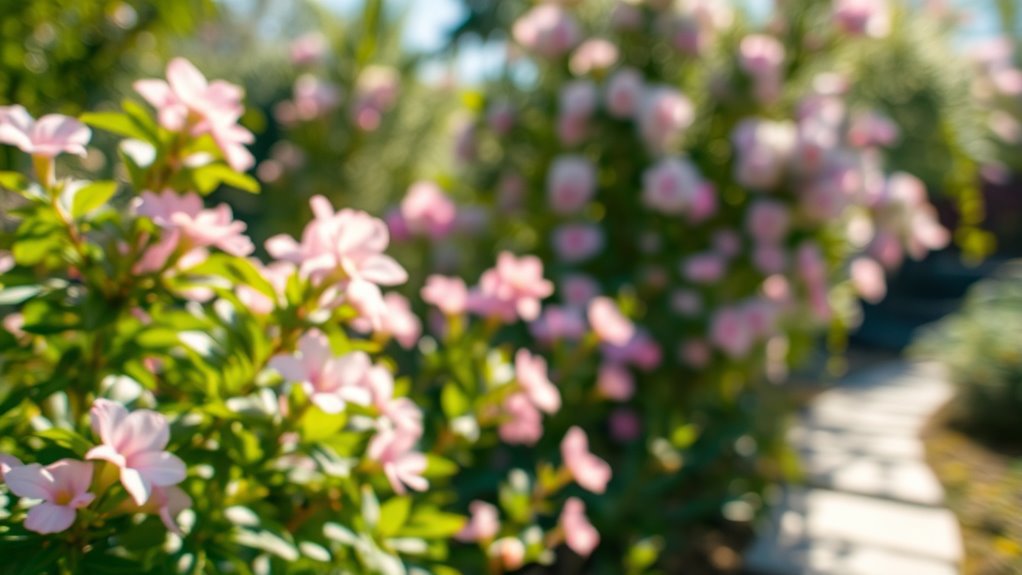
Your choice of color palette plays a vital role in mimicking the effects of light and atmosphere. Impressionists often avoided the dull, muted tones typical of academic art, opting instead for bright, vibrant colors that captured the true essence of a scene. They experimented with pure hues, layering and juxtaposing them to create optical mixing—where the viewer’s eye blends the colors from a distance. This technique enhances the shimmering, shimmering effect of sunlight and shadows. For example, they might place a dash of yellow next to blue to evoke the glow of sunlight on water or the warmth of a sunlit sidewalk. Their strategic color choices helped evoke mood and atmosphere, making each scene feel alive and immediate.
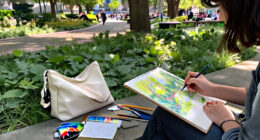
In your exploration of Impressionism, you’ll notice how artists often painted en plein air, directly from nature. This practice influenced their brushwork and color palette choices considerably. The natural light changes quickly, so they needed to work swiftly, capturing each moment’s unique qualities. Their brushwork became a reflection of this spontaneity, with strokes that seem almost impulsive but are carefully calibrated to convey sunlight’s fleeting effects. Similarly, their colors are chosen to reflect the real atmosphere—warm yellows, cool blues, vibrant greens—creating a sense of immediacy and realism.
Ultimately, it’s the combination of their brushwork techniques and color palette choices that defines Impressionism. They rejected the meticulous blending and subdued tones of traditional art, instead embracing a more expressive, observational approach. Their goal was to evoke the sensation of a moment, to make viewers feel as if they’re standing right there, experiencing the scene’s atmosphere. By mastering these elements, Impressionist artists transformed how we see and interpret the world, emphasizing the beauty of transient light and color in everyday life.
As an affiliate, we earn on qualifying purchases.
Frequently Asked Questions
How Did Impressionism Influence Modern Digital Art Techniques?
Impressionism influences modern digital art by inspiring you to use digital brushstrokes that mimic traditional textures and fluidity. You blend colors seamlessly, creating vibrant, lively scenes, just like impressionists did with their paint. This approach encourages you to focus on capturing fleeting moments and light effects, making your digital artwork feel more spontaneous and expressive. The emphasis on color blending and dynamic strokes continues to shape contemporary digital artistic techniques.
What Specific Pigments Were Popular Among Impressionist Painters?
Like Monet’s vibrant water lilies, you’ll find that Impressionist pigments such as Cobalt Blue, Cadmium Yellow, and Vermilion were favorites. These pigments, combined with innovative color mixing techniques, allowed painters to create luminous effects. You can imagine how their bright, durable hues brought scenes alive with spontaneity, emphasizing light and atmosphere. Their choice of pigments set the stage for modern art’s bold experimentation with color and texture.
How Did Impressionism Impact the Development of Abstract Art?
You see, impressionism influenced abstract art by emphasizing color theory and personal expression. It laid the groundwork for abstract expressionism, where artists focus on emotion and spontaneous brushwork rather than realistic detail. Your exploration of vibrant colors and innovative techniques inspired later artists to experiment freely, breaking traditional boundaries. This shift helped shape modern art, encouraging you to see beyond representational forms and embrace pure abstraction and emotional depth.
Were There Any Notable Female Impressionist Artists?
Did you know that only about 10% of Impressionist artists were women? Female pioneers like Berthe Morisot and Mary Cassatt made significant artistic contributions, challenging gender norms of their time. Their work captured the fleeting moments of everyday life with vibrant color and light, adding depth and perspective to Impressionism. You can appreciate how these women’s unique perspectives helped shape the movement and inspire future generations of artists.
How Did Impressionism Spread Beyond France to Other Countries?
You see, impressionism spread beyond France through artistic techniques and cultural exchange. Artists traveled and exhibited their work internationally, sharing innovative brushstrokes and emphasis on light and color. Exhibitions like the Salon des Indépendants and salons in London and the United States allowed impressionism to reach wider audiences. These interactions fostered influence, inspiring local artists and creating a global movement that celebrated capturing fleeting moments in everyday scenes.
As an affiliate, we earn on qualifying purchases.
Conclusion
By embracing fleeting moments and vivid colors, impressionism invites you to see the world differently. Imagine visiting a park at sunset, where the light dances on leaves and shadows shift quickly—capture that with quick brushstrokes. Just like Monet’s water lilies, your own moments become timeless when you focus on light and color. So, next time you observe nature, think like an impressionist and turn everyday scenes into vibrant, unforgettable art.
oil paint set for outdoor painting
As an affiliate, we earn on qualifying purchases.
As an affiliate, we earn on qualifying purchases.
As an affiliate, we earn on qualifying purchases.
Fall Picks
fall essentials
As an affiliate, we earn on qualifying purchases.