
TL;DR

Get art and craft supplies delivered free with Prime
- Fast, free delivery on millions of items
- Prime Video, Amazon Music and more included
- Member-only deals all year
U.S. Immigration and Customs Enforcement (ICE) has seized approximately 22,000 antiquities in Florida. The operation underscores increased focus on illegal artifact trafficking, though details about the operation remain limited. The development raises questions about the scope of illicit trade in cultural artifacts.
U.S. Immigration and Customs Enforcement (ICE) announced the seizure of approximately 22,000 antiquities in Florida, marking one of the largest confiscations of cultural artifacts in recent U.S. history. The operation involved multiple agencies and underscores the ongoing efforts to combat illegal trafficking of cultural heritage items. The authorities have not disclosed specific details about the location, the suspects involved, or the origin of the artifacts, but the scale of the seizure highlights the significance of the case.
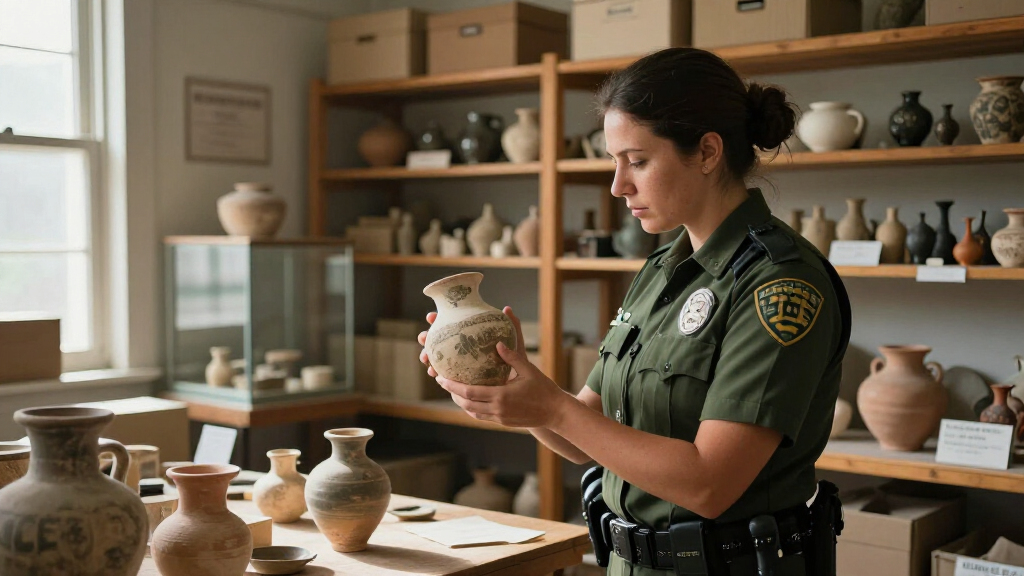
According to ICE, the operation took place over several months and targeted a network suspected of trafficking stolen or illegally exported antiquities. The artifacts include items believed to be from various ancient civilizations, though authorities have not yet confirmed the exact origins of all the items. The seized artifacts are currently being cataloged and analyzed by experts to determine their provenance and potential links to illegal trade routes.
Officials stated that the operation was part of a broader initiative to crackdown on the illicit antiquities market, which has seen increasing attention in recent years due to rising demand for cultural artifacts and the illegal export of items from countries such as Egypt, Greece, and Italy. The authorities have not identified any individuals or organizations directly connected to the seizure, citing ongoing investigations.
Legal experts note that the confiscation could lead to criminal charges against those involved, and the artifacts may be subject to repatriation requests from foreign governments or institutions. The case is expected to set a precedent for future law enforcement actions targeting antiquities trafficking in the United States.
Implications for Cultural Heritage and Law Enforcement
The seizure of 22,000 antiquities in Florida underscores the scale of illegal artifact trafficking and the U.S. government’s intensified efforts to combat it. This operation highlights the vulnerability of cultural heritage items to theft, smuggling, and illegal export, especially in regions with rich archaeological histories. It also demonstrates the increasing sophistication of law enforcement agencies in tracking and intercepting illicit trade networks, which often span multiple countries.
For cultural institutions and governments, the case raises awareness about the importance of provenance verification and the risks posed by unregulated markets. It may also influence future policy and legislation aimed at protecting cultural property and strengthening international cooperation on repatriation issues.
As an affiliate, we earn on qualifying purchases.
Background on Antiquities Trafficking and Enforcement Efforts
Illegal antiquities trafficking has been a persistent issue for decades, driven by high demand from collectors, museums, and private buyers. The trade often involves stolen artifacts from archaeological sites, looted tombs, or items exported without proper documentation. The United States has increasingly prioritized enforcement, with agencies like ICE’s Homeland Security Investigations (HSI) leading operations to crack down on illegal imports and exports.
Recent years have seen a rise in large-scale seizures, reflecting both increased enforcement activity and the growing sophistication of traffickers. Florida, with its proximity to major ports and its vibrant art market, has been identified as a hotspot for the illegal trade of antiquities. The current seizure follows a series of smaller operations targeting similar networks, indicating a sustained effort to dismantle trafficking routes.
While authorities have made numerous arrests and recovered stolen artifacts in the past, this latest seizure marks a significant escalation in scope, with the confiscation of thousands of items believed to be from multiple ancient civilizations.
As an affiliate, we earn on qualifying purchases.
Unanswered Questions About the Seizure
Details about the provenance of the artifacts, the identities of those involved, and the full scope of the trafficking network remain undisclosed. Authorities have not confirmed whether the artifacts were stolen from specific archaeological sites or looted from foreign countries. The exact location of the seizure and the timeline of the operation are also unclear, as officials have provided limited information.
Furthermore, it is not yet confirmed whether any arrests have been made or if the artifacts will be repatriated to their countries of origin. Investigations are ongoing, and further disclosures are anticipated as authorities analyze the items and follow leads.
As an affiliate, we earn on qualifying purchases.
Next Steps in the Investigation and Repatriation Process
Authorities are expected to continue cataloging and analyzing the artifacts to establish their provenance and determine potential legal actions. The seized items will undergo forensic examination by experts in archaeology and art authentication. Meanwhile, investigations into the trafficking network are likely to expand, potentially leading to arrests or further seizures.
Foreign governments and cultural institutions may submit repatriation requests for artifacts confirmed to be looted or illegally exported. The case could also influence future enforcement strategies and international cooperation efforts aimed at curbing the illegal antiquities trade.
Legal proceedings related to the seizure are expected to unfold over the coming months, with possible charges against individuals or entities involved in the trafficking network.
As an affiliate, we earn on qualifying purchases.
Key Questions
What types of artifacts were seized?
The artifacts include items believed to originate from various ancient civilizations, though specific details about each piece are still being analyzed by experts.
Are any arrests expected in connection with this seizure?
Authorities have not publicly confirmed arrests at this stage, but investigations are ongoing, and arrests may follow as the case develops.
Will the artifacts be returned to their countries of origin?
If provenance is confirmed and foreign governments submit repatriation requests, some artifacts may be returned. The process depends on legal and diplomatic procedures.
How does this seizure impact the illegal antiquities market?
This large-scale confiscation highlights ongoing law enforcement efforts and may serve as a deterrent to traffickers, while raising awareness about the risks of unregulated artifact markets.
What agencies were involved in the operation?
The seizure was conducted by U.S. Immigration and Customs Enforcement (ICE), with cooperation from other federal agencies involved in cultural property enforcement.
Source: rss
Halloween Picks
halloween
As an affiliate, we earn on qualifying purchases.