
TL;DR

Get art and craft supplies delivered free with Prime
- Fast, free delivery on millions of items
- Prime Video, Amazon Music and more included
- Member-only deals all year
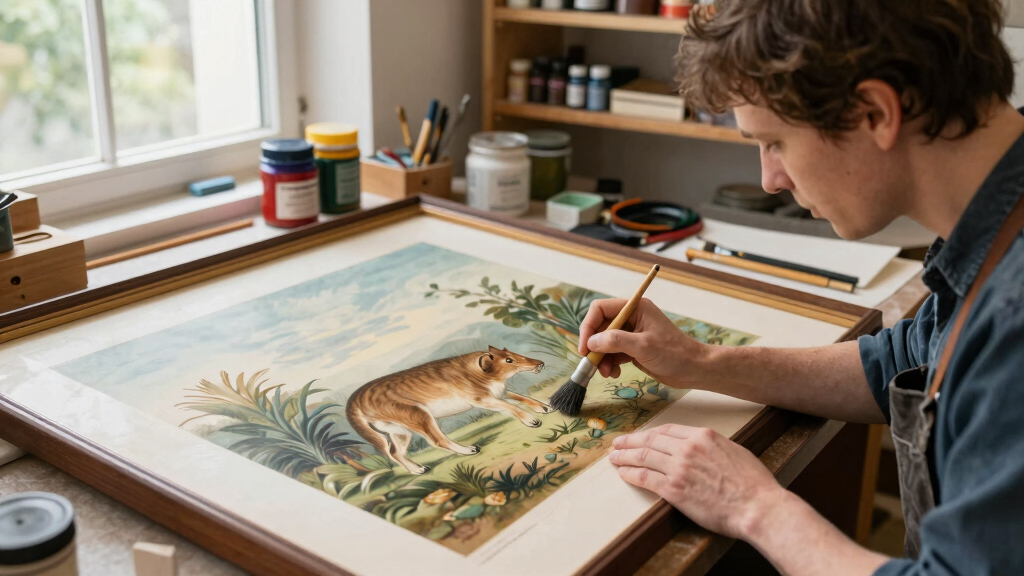
A collection of 1,300 detailed wildlife illustrations from the 19th century has been digitally restored. The project aims to preserve and share historical natural history artwork, highlighting advancements in digital restoration techniques.
More than 1,300 19th-century wildlife illustrations have been digitally restored and are now available online, marking a significant effort to preserve historical natural history artwork. This initiative, led by a team of conservationists and digital archivists, aims to make these detailed images accessible to researchers, educators, and the public, emphasizing the importance of preserving cultural and scientific heritage.
The collection includes 1,300 detailed illustrations created during the 1800s, originally produced for scientific and educational purposes. The restoration project, undertaken by the Natural History Museum’s digital conservation team, involved advanced imaging techniques to repair damage caused by age, fading, and deterioration. The restored images are now hosted on a dedicated online platform, allowing for high-resolution viewing and download.
According to Dr. Emily Carter, head of digital collections at the museum, the project utilized state-of-the-art imaging software to carefully repair and enhance each illustration without compromising their historical integrity. The effort took approximately two years, with experts meticulously working on each image to ensure accuracy and quality.
The illustrations depict a wide variety of species, from insects and birds to mammals and marine life, reflecting the scientific curiosity and artistic skill of 19th-century naturalists. Many of these images were originally part of scientific journals, field guides, and museum collections.
Why Restoring 19th-Century Wildlife Art Matters
This restoration project is significant because it preserves a valuable visual record of biodiversity from the 1800s, offering insights into historical species distribution and appearance. It also demonstrates the potential of digital technology to conserve fragile cultural artifacts, making them accessible for future generations. The collection can serve as a resource for researchers, educators, and artists, fostering a deeper appreciation of natural history and scientific illustration.
Furthermore, the initiative highlights ongoing efforts to digitize and preserve historical archives, which are often at risk of deterioration. By making these images publicly available, the project promotes education and awareness about biodiversity and conservation issues, linking past scientific work with contemporary environmental concerns.
19th century wildlife illustration art book
As an affiliate, we earn on qualifying purchases.
As an affiliate, we earn on qualifying purchases.
Historical Significance of 19th-Century Naturalist Art
During the 19th century, naturalists and artists collaborated to document and illustrate the natural world, often working in the field or from specimens collected during expeditions. These illustrations played a crucial role in scientific discovery and classification, especially before the advent of photography. Many of these works were published in scientific journals, books, and museum collections, influencing both scientific understanding and popular perceptions of wildlife.
Over the decades, many original artworks have suffered from deterioration, fading, and damage due to age and handling. While some have been preserved in museums and archives, access has been limited, and many have remained unseen by the public. The recent digital restoration efforts aim to bridge this gap by providing high-quality reproductions accessible worldwide.
Prior to this project, only a limited number of these illustrations were available online or in digital form, often in low resolution or with visible damage. The current initiative significantly expands access and enhances the quality of digital reproductions.
digital restoration wildlife art prints
As an affiliate, we earn on qualifying purchases.
As an affiliate, we earn on qualifying purchases.
Remaining Questions About Restoration Scope and Usage
It is not yet clear how many of the original artworks were damaged beyond repair or how many will be further analyzed for additional restoration. Details about future expansions or updates to the digital archive are still emerging. Additionally, the extent to which these images will be integrated into educational or scientific projects remains to be seen.
natural history illustration poster
As an affiliate, we earn on qualifying purchases.
As an affiliate, we earn on qualifying purchases.
Next Steps for Public Access and Educational Use
The restored collection is now live on the Natural History Museum’s digital platform, with plans to include educational resources and interactive features. The museum intends to collaborate with academic institutions and conservation organizations to incorporate these images into research and teaching. Further updates on additional restorations or related projects are expected in the coming months.
As an affiliate, we earn on qualifying purchases.
Key Questions
How were the illustrations restored?
The illustrations were digitally repaired using advanced imaging software that restored damage while preserving original details and colors.
Are the restored images available to the public?
Yes, the images are now accessible online through the Natural History Museum’s digital archive, available for viewing and download.
Why are these illustrations important?
They provide a detailed visual record of 19th-century biodiversity, reflecting scientific knowledge and artistic skill of that era.
Will more illustrations be restored in the future?
The museum plans to continue restoring and expanding its digital collections, but specific future projects have not yet been announced.
How can educators use these images?
Educators can incorporate the high-resolution images into lessons on natural history, biodiversity, and scientific illustration, enhancing student engagement.
Source: hn
Halloween Picks
halloween
As an affiliate, we earn on qualifying purchases.