
TL;DR

Get art and craft supplies delivered free with Prime
- Fast, free delivery on millions of items
- Prime Video, Amazon Music and more included
- Member-only deals all year
Tate Modern’s major survey of Ana Mendieta presents works across her career, including her Silueta photographs and later sculptures and video. Organized around significant places rather than chronology, the exhibition highlights how her practice connected the body, nature, exile and spiritual meaning.
Tate Modern’s major survey of Ana Mendieta brings together work by the Cuban-born artist whose practice used the body, natural materials and specific sites to explore exile, belonging and spiritual connection. The exhibition’s arrangement by metaphorical and physical places, rather than by date, draws attention to the settings and ideas behind works including her Silueta series.
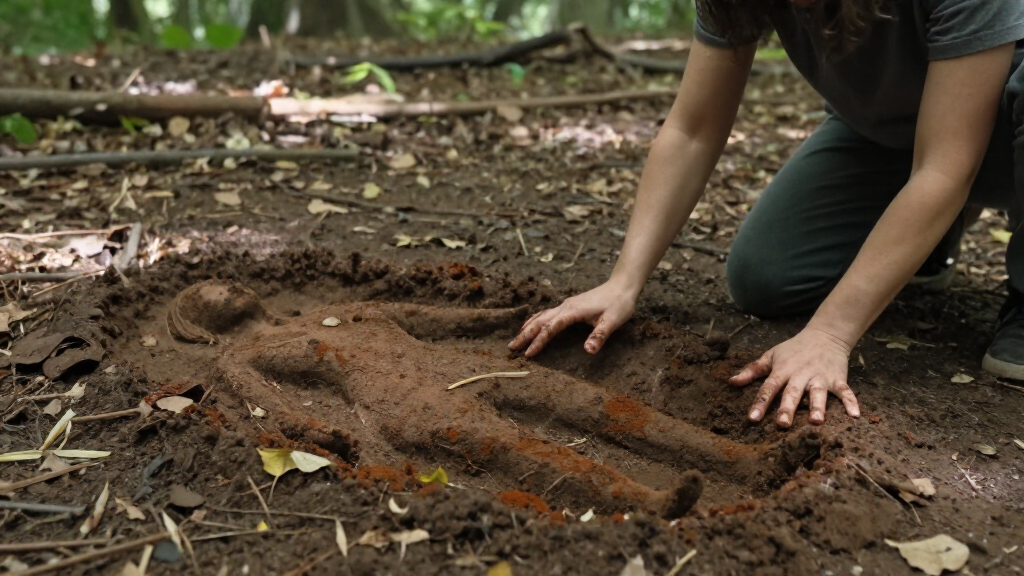
The Siluetas are among Mendieta’s best-known works. In photographs, impressions or outlines of a human body appear in mud, foliage and other natural surroundings; some are deliberately difficult to distinguish from the landscape. The survey asks viewers to pay attention to these subtle traces and to the relationship between the figure and the place where it was made.
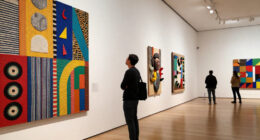
Rather than follow a chronological sequence, the exhibition groups works into sections with names such as The Grove, The School and The Sacred Grounds. The approach foregrounds the site-specific character of Mendieta’s art: works made in response to locations she connected with personal history, ecology or spirituality. The report describes this structure as a way of directing visitors toward the importance of place throughout her practice.
The exhibition also includes late work from the 1980s in a section called The Cave, including her final video piece, Ochún (1981), and sculptures inspired by prehistoric rock art. These works use female forms derived from rocks and representations of goddesses, rather than the artist’s own body, broadening the visual language associated with her earlier Siluetas.
How Mendieta Made Place Visible
The survey makes a case for understanding Mendieta’s work as more than a series of images of the body. Her use of earth, plants, water and rock ties bodily presence to particular environments, making the landscape an active part of each work. The exhibition’s place-based layout gives that relationship prominence.
That emphasis also helps explain why her practice continues to matter to audiences encountering it today. The works bring together questions of displacement, identity and connection to nature without separating them from material choices or physical locations. Mendieta’s sparse interventions can be difficult to see at first glance; the survey’s stated aim is to prompt closer attention to what remains in the landscape and in its photographic record.
Including later, less familiar work alongside the Siluetas further widens the picture of her career. The sculptures and video show an artist working with recurring concerns through forms beyond the imprint of her own body.
Popular right now

Vitamix Propel Series 750 Professional-Grade Blender, 4 Programs, Black

Apple AirPods Max 2 Wireless Over-Ear Headphones – Midnight

Breville Barista Express Espresso Machine, Black Sesame
As an affiliate, we earn on qualifying purchases.
Exile and the Maternal Source
The exhibition’s account of Mendieta’s practice connects her artistic choices to her childhood exile from Cuba. According to the wall text described in the review, Mendieta framed her work as an effort to return to a maternal source, after being “cast from the womb (Nature)” through exile. This is an attributed explanation of her artistic aims, not a claim that every work has a single meaning.
That framing helps clarify why the survey links landscape to personal and spiritual significance. Mendieta’s works were made in dialogue with particular sites, while her use of natural materials made those locations part of the work rather than a neutral backdrop. The report points to both the Siluetas and the later rupestrian sculptures as examples of this wider approach.
““attempt to return to the maternal source””
— Tate Modern wall text, as reported by Hyperallergic
What the Report Leaves Unspecified
The supplied report does not give the exhibition’s opening and closing dates, its full checklist, or details about how many works are on view. It also does not describe visitor numbers or provide a broader assessment of audience response. The review’s account of the exhibition’s themes and organization should not be read as a complete catalogue of Mendieta’s work or as the only interpretation of it.
The report identifies Ochún as Mendieta’s final video piece and dates it to 1981, but provides no further production or exhibition history. Details beyond those in the review remain unconfirmed here.
Further Viewing and Research
The immediate next step for readers is to consult Tate Modern’s exhibition information for current dates, access details and the complete list of works, since those specifics are absent from the supplied review. Visitors can use the survey’s place-based sections to compare the Siluetas with the later sculptures and video, noting how Mendieta’s materials and imagery change across the works described.
Further assessment of the exhibition’s reception or of the full range of objects on display will depend on additional reporting and Tate’s published materials. No future exhibition dates or related programming are specified in the source report.
Key Questions
What is the Tate Modern exhibition about?
It is a major survey of Ana Mendieta’s art, with works that explore the body, nature, exile and place. The exhibition groups work by physical and metaphorical locations rather than by date.
What are Mendieta’s Siluetas?
The Siluetas are works in which an outline or impression of a body appears in natural settings and materials. The report describes photographs showing forms made with mud, leaves, flowers and branches.
Which later works are included?
The section called The Cave includes late work from the 1980s, among it Ochún (1981), identified in the report as Mendieta’s final video piece, and sculptures inspired by prehistoric rock art.
When is the exhibition open?
The supplied report does not state the exhibition dates. Check Tate Modern’s current exhibition information for opening and closing dates.
Source: hyperallergic.com