
TL;DR

Get art and craft supplies delivered free — and shop member deals
- Fast, free delivery on millions of items
- Access to Prime Big Deal Days deals on October 6–7
- Prime Video, Amazon Music and more included
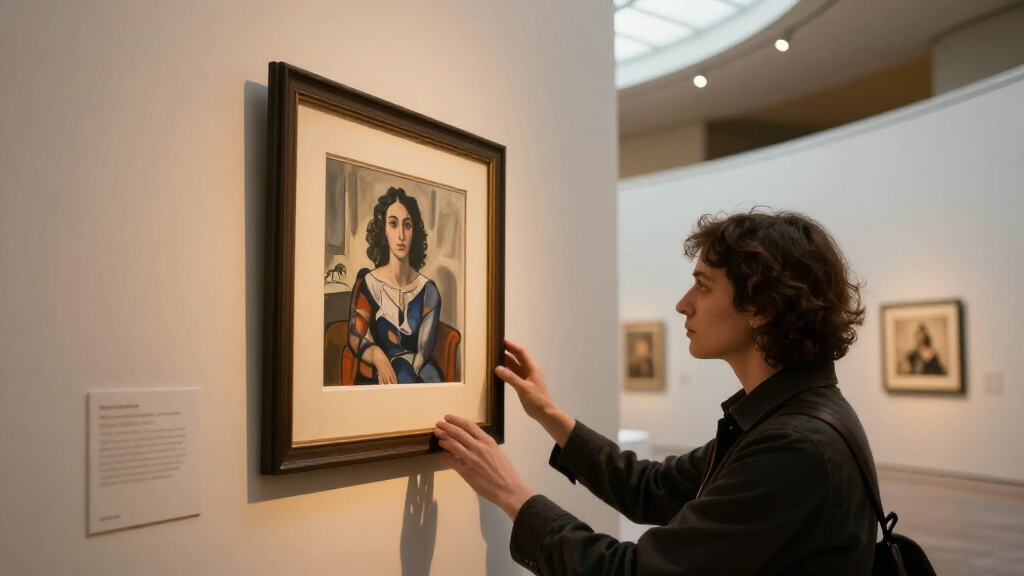
The Guggenheim Museum is demanding the return of a Picasso painting stolen in 1961. The artwork has been missing for over 60 years, and authorities are now investigating the museum’s claim. This case highlights ongoing issues of art theft and restitution efforts.
In March 2024, the Guggenheim Museum formally requested law enforcement agencies to recover a Picasso painting stolen in 1961, marking a significant development in efforts to locate long-missing artworks. The museum’s renewed pursuit underscores ongoing challenges in art theft restitution and highlights the potential for new evidence to aid recovery.
The Guggenheim Museum announced on March 2024 that it has filed a formal request with law enforcement agencies to recover a Picasso painting stolen more than 60 years ago. The artwork, believed to be a significant piece from Picasso’s later period, was reported missing in 1961 during a break-in at the museum’s previous location in New York.
Authorities confirmed that the museum’s request is based on new evidence suggesting the artwork may still be accessible or in circulation. The museum’s director, Richard Armstrong, stated, “We are committed to recovering this missing piece of our history and ensuring justice is served.” The case has been dormant for decades, with various leads turning up empty until recent developments prompted renewed investigation.
Law enforcement officials have not disclosed specific details about the evidence or the current whereabouts of the painting. The FBI and NYPD are now collaborating with the museum to locate the artwork and identify potential leads.
Implications of the Picasso Theft Restitution Effort
This case underscores the importance of addressing art theft that spans decades, highlighting ongoing efforts by museums and authorities to recover stolen masterpieces. The request by the Guggenheim reflects broader issues of provenance, restitution, and the legal complexities involved in recovering art lost during periods of upheaval or theft.
For the art world and collectors, this development raises questions about the security of artworks and the long-term efforts required to track down stolen pieces. The case also emphasizes the significance of international cooperation in art recovery efforts, especially for works with unclear provenance.
As an affiliate, we earn on qualifying purchases.
Historical Background of the 1961 Picasso Theft
The Picasso painting was stolen in 1961 during a break-in at the Guggenheim’s previous New York location. At the time, the theft was considered one of the most significant art crimes, but the case went cold after initial investigations. Over the decades, the artwork’s whereabouts remained unknown, fueling speculation and numerous unsuccessful attempts to locate it.
In recent years, advances in forensic analysis, digital tracking, and international cooperation have renewed hope of recovering long-missing artworks. The museum’s renewed claim is part of a broader effort to recover stolen art from the mid-20th century, many of which remain missing or unaccounted for.
“We are committed to recovering this missing piece of our history and ensuring justice is served.”
— Richard Armstrong, Director of the Guggenheim
As an affiliate, we earn on qualifying purchases.
Unresolved Questions About the Picasso’s Current Location
It is not yet clear where the Picasso painting is currently located or whether it remains in circulation. The evidence cited by the museum has not been publicly disclosed, and authorities have not identified any suspects or leads definitively linked to the artwork’s recovery.
There is also uncertainty about whether the artwork has been sold, hidden, or destroyed, and whether international borders complicate the recovery process.
art restoration and preservation supplies
As an affiliate, we earn on qualifying purchases.
As an affiliate, we earn on qualifying purchases.
Next Steps in the Search for the Missing Picasso
Law enforcement agencies will continue investigating the museum’s claim, with efforts focused on tracing the artwork’s provenance and potential leads. The FBI and NYPD may conduct interviews, review historical records, and collaborate with international partners.
The Guggenheim plans to cooperate fully with authorities and may pursue legal action if the artwork is located. A public appeal for information may be issued to assist in the recovery process.
As an affiliate, we earn on qualifying purchases.
Key Questions
Why is the Guggenheim now requesting the return of the Picasso?
The museum has identified new evidence suggesting the artwork may still be accessible or in circulation after being stolen in 1961, prompting a formal request for its return.
What is known about the stolen Picasso?
Details about the specific painting, including its title, size, or current description, have not been publicly disclosed. It is believed to be a significant piece from Picasso’s later period.
Could the artwork have been sold or hidden?
It is possible, but the current investigation has not confirmed the whereabouts or ownership of the painting since the theft.
What challenges does this case face?
Key challenges include verifying the provenance, locating the artwork across international borders, and overcoming legal and logistical hurdles in recovering stolen art from decades ago.
What happens if the artwork is found?
If located, the museum would likely seek legal restitution, and authorities would coordinate its return, possibly involving international art recovery agencies.
Source: rss
Fall Picks
fall essentials
As an affiliate, we earn on qualifying purchases.