
Your artwork’s edition size greatly impacts its value. Smaller editions are rarer, which makes them more desirable and usually commands higher prices. Limited editions emphasize exclusivity and craftsmanship, boosting their perceived worth. Open editions, with unlimited copies, tend to be less valuable due to lower scarcity and authenticity concerns. If you stay curious about how different edition sizes influence market trends and collector perception, there’s more to uncover below.
Key Takeaways
- Smaller edition sizes generally increase artwork rarity, boosting desirability and market value.
- Limited editions with fewer copies often command higher prices due to exclusivity.
- Larger editions tend to be more affordable but may decrease perceived value and scarcity.
- Signatures and provenance enhance the value of limited editions, emphasizing their rarity.
- Digital reproductions with unlimited editions typically have lower market value compared to limited editions.
Understanding Limited Editions and Their Significance
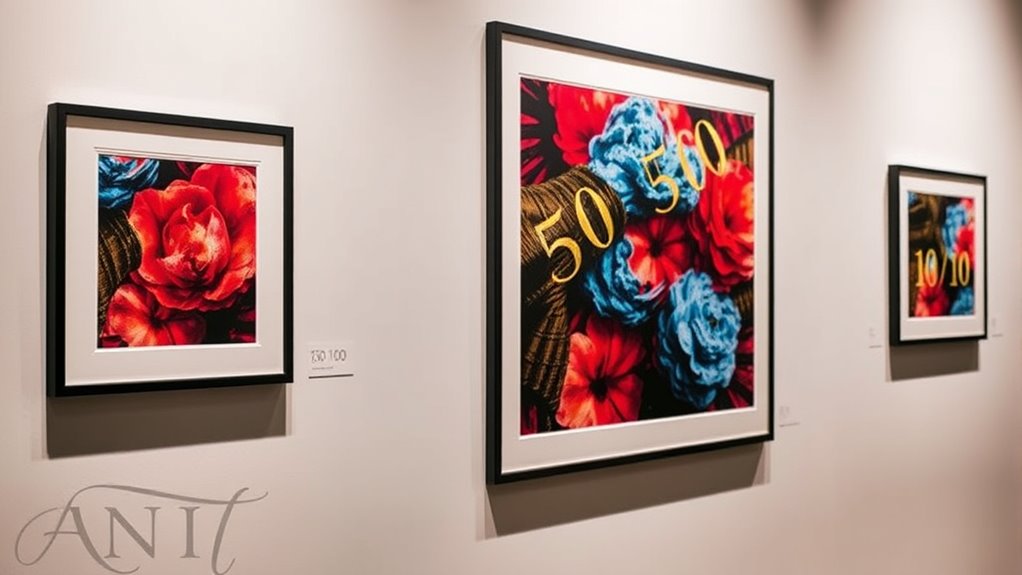
Limited editions are a popular way for artists and collectors to add value and exclusivity to artworks. They typically involve a set number of prints created using specific printmaking techniques, which guarantees each piece maintains quality and uniqueness. In the digital age, some artists produce limited editions through digital reproduction, allowing for precise control over the number of copies made. This method can create a sense of rarity, boosting an artwork’s desirability. Understanding the significance of limited editions helps you recognize their role in establishing value, as fewer copies generally mean higher worth. Whether through traditional printmaking or digital reproduction, limited editions serve as a tangible link between the artist’s vision and your collection, emphasizing exclusivity and craftsmanship. Additionally, the use of high-quality materials and techniques can further enhance the perceived value of limited edition artworks.
How Rarity Influences Artwork Pricing
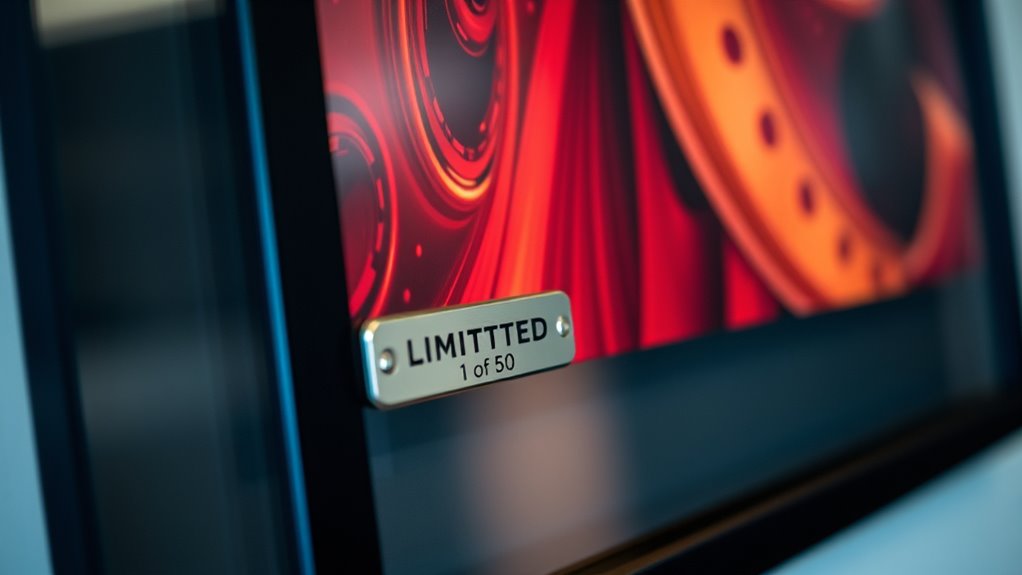
When an artwork is rare, its scarcity can profoundly boost its value because collectors seek unique pieces. You’ll find that limited editions often command higher prices due to increased demand and exclusivity. Understanding how edition sizes drives pricing helps you recognize why some artworks are valued far above their initial cost.
Scarcity and Demand
Scarcity plays a crucial role in determining an artwork’s value because the rarer a piece is, the more desirable it becomes to collectors and investors. Limited editions, artist signatures, and unique digital reproductions increase this scarcity, boosting demand. When demand exceeds supply, prices rise, making rarity a key factor in valuation. To understand this better, consider the table below:
| Rarity Level | Demand | Impact on Price |
|---|---|---|
| Common | Low | Low |
| Limited Edition | Moderate | Moderate |
| Unique Digital Repr | High | High |
| Artist Signatures | Very High | Significantly Higher |
The combination of digital reproduction rarity and artist signatures amplifies desirability, fueling demand and driving prices upward. Additionally, artwork provenance can significantly influence perceptions of rarity and authenticity, further impacting value.
Limited Editions Premium
Because rarity boosts demand, artists and collectors often assign a premium to limited editions. When an artwork is produced through digital replication, it’s easier to create exact art duplications, but that can also dilute perceived value. Limiting the edition size makes each piece more exclusive, increasing its desirability and price. You’ll notice that collectors are willing to pay more for limited editions because they’re less accessible and carry a sense of rarity. This premium reflects the scarcity created by small edition sizes, emphasizing uniqueness despite digital replication’s ability to produce multiple copies. Ultimately, the limited edition premium elevates an artwork’s value by leveraging rarity, making it a smart strategy for artists seeking to command higher prices and collectors valuing exclusivity.
The Impact of Open Editions on Market Value
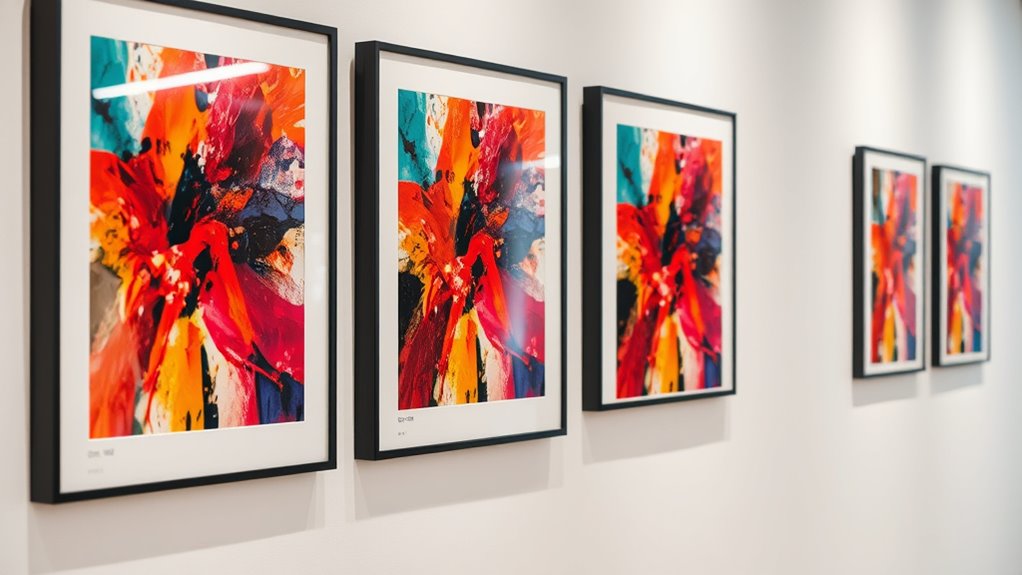
Open editions, by their very nature, can considerably influence market value. Because they allow digital duplication and print reproduction without limit, their scarcity decreases, often making them less valuable than limited editions. This abundance means collectors might see open editions as more accessible but less exclusive, which can lower their resale potential. The ease of reproducing open editions also raises concerns about authenticity and originality, impacting perceived worth. While open editions can boost exposure and engagement, their market value tends to be more stable but lower than limited editions. You should consider that consumers often value rarity, so open editions typically appeal to a broader audience but don’t carry the same prestige, ultimately affecting their long-term investment potential. Additionally, research indicates that the perceived authenticity of artwork plays a significant role in its valuation, especially in open editions where reproduction is straightforward.
Comparing Edition Sizes Across Different Art Forms

When comparing edition sizes across different art forms, you’ll notice that limited editions often influence value differently depending on the medium. Variability in how artists create and distribute their work means edition sizes can vary widely, affecting rarity and desirability. Understanding these differences helps you better assess the true worth of various artworks. Additionally, factors such as market demand and the condition of the work also play crucial roles in determining value.
Limited Editions Impact
Limited edition sizes vary markedly across different art forms, shaping how you perceive value and rarity. In digital reproduction art, edition sizes tend to be larger, making each piece more accessible but less exclusive. Conversely, traditional paintings often have smaller editions or are one-of-a-kind, boosting their scarcity. Artist signatures add another layer of value, especially when paired with limited editions, as they authenticate and personalize each piece. For collectors, a limited edition with a signature offers a tangible sense of rarity and connection to the artist’s intent. The impact of edition size on value is clear: smaller editions generally increase desirability and price, regardless of the medium. Additionally, understanding the resources and tools available for verifying authenticity can further influence a piece’s worth. Understanding these nuances helps you assess artwork worth based on edition size and its influence on perceived rarity.
Variability in Art Forms
Art forms differ markedly in their typical edition sizes, reflecting their unique production processes and market expectations. For example, paintings often have open editions or limited runs, emphasizing uniqueness and craftsmanship, while photography typically features smaller editions with precise framing techniques that enhance visual impact. Digital art, on the other hand, can be reproduced infinitely but often carries limited edition numbers to maintain value. Understanding color theory is essential across mediums, affecting how artworks are perceived and valued. Framing techniques also influence perceived rarity—well-crafted framing can elevate a piece’s desirability. Additionally, the technology used in digital reproduction impacts how editions are created and perceived in terms of authenticity and value. These differences mean that edition sizes vary widely across art forms, impacting their scarcity and market value. Recognizing these distinctions helps you better assess an artwork’s worth within its specific artistic context.
Collector Perceptions of Limited Versus Open Editions

Collectors often view limited editions as more exclusive and valuable because their scarcity tends to heighten desirability. They appreciate that a limited edition, often a digital reproduction, offers a sense of rarity that open editions lack. When an artwork includes artist signatures, it adds authenticity and personal connection, boosting perceived value. Limited editions suggest that only a select few can own a piece, creating a sense of prestige. Conversely, open editions are seen as more accessible but less exclusive, which can diminish their perceived worth. Your perception of value is influenced by these factors—rarity, authenticity, and the presence of artist signatures. Additionally, the use of sound design techniques in creating unique audio elements can enhance the overall experience and perceived quality of the artwork. Ultimately, collectors tend to favor limited editions for their uniqueness, even if open editions may be more affordable.
The Role of Edition Sizes in Authenticity and Provenance
The size of an edition directly impacts its authenticity and the clarity of its provenance. Smaller editions often make authenticity verification easier, as fewer copies mean less room for confusion. Conversely, larger editions can complicate provenance documentation, making it harder to track each piece’s history. To guarantee authenticity and verify provenance, consider these points:
- Limited editions typically have tighter documentation, reducing the risk of forgeries.
- Clear provenance records help confirm the artwork’s origin and ownership history.
- Larger editions may require additional authentication measures to maintain credibility.
- Implementing predictive modeling in provenance tracking can help identify inconsistencies and prevent fraud.
Pricing Strategies Based on Edition Size
Pricing strategies for artworks often hinge on edition size, as smaller editions typically command higher prices due to their rarity and exclusivity. When setting prices, consider the printmaking techniques used; high-quality techniques like lithography or screen printing can justify premium pricing. Limited editions also influence framing options, allowing you to offer custom or archival framing that enhances value. For smaller editions, investing in superior framing can boost perceived worth and appeal to collectors. Additionally, understanding how water resistance features in artwork presentation or durability can impact collector perception and pricing. Conversely, larger editions may require more accessible pricing and standard framing options to attract a broader audience. By understanding how edition size interacts with printmaking methods and presentation choices, you can develop targeted pricing strategies that reflect an artwork’s scarcity and craftsmanship, ultimately maximizing its market value.
The Effect of Artist Reputation on Edition Value
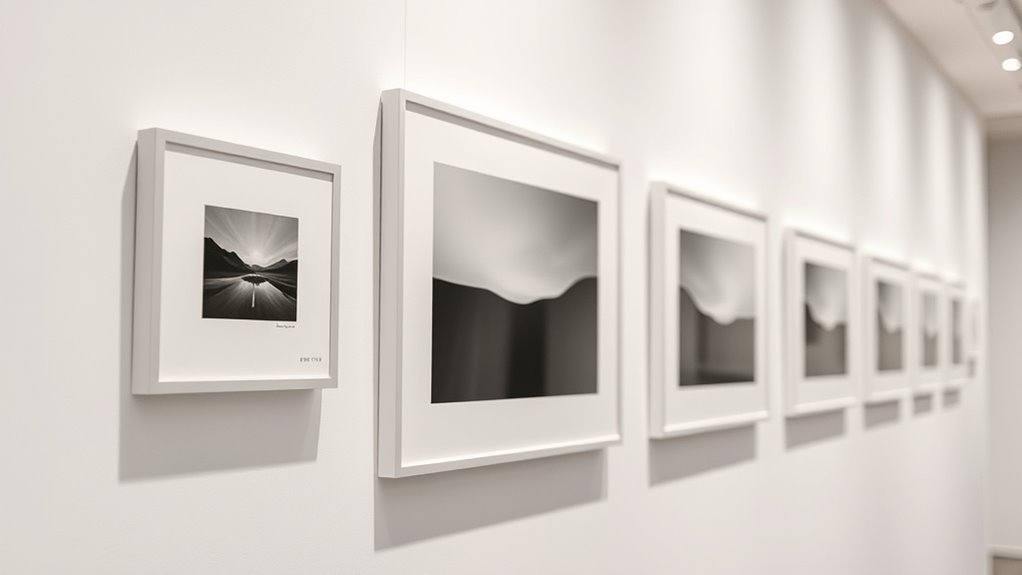
An artist’s reputation considerably influences the value of their editions, as well-known creators often command higher prices and greater demand. When you recognize an artist’s reputation, you understand that their name can notably boost the edition value. A strong reputation can:
An artist’s reputation significantly boosts edition value and market desirability.
- Increase perceived worth, making editions more desirable
- Justify higher pricing due to proven market success
- Attract collectors seeking established artists’ work
- Enhance the overall marketability of their editions
Your perception of an artist’s reputation impacts your valuation of their editions. Well-respected artists tend to create a sense of exclusivity and trust, which elevates the edition’s market value. As a result, editions by renowned artists often sell faster and at higher prices, reinforcing the importance of reputation in the artwork market.
Trends in Edition Sizes and Market Demand

As market demand fluctuates, artists and collectors are increasingly paying attention to trends in edition sizes, which directly influence rarity and desirability. Smaller editions remain highly sought after, especially in digital art, where mass production can make artworks more accessible but less exclusive. Conversely, larger editions may appeal to a broader audience but often reduce perceived value. Currently, there’s a shift toward limited editions in digital art, balancing accessibility with rarity. This trend reflects a desire for exclusivity amid growing digital markets. The table below illustrates how edition sizes impact market perception:
| Edition Size | Market Appeal |
|---|---|
| Small (1-50) | High rarity, collector’s item |
| Medium (51-500) | Balance of accessibility and rarity |
| Large (501+) | Mass appeal, lower exclusivity |
| Unlimited | Digital mass production, least rare |
Additionally, understanding the dog breeds associated with various traits can influence collector preferences, especially when artworks feature specific breeds or hybrid types.
Tips for Assessing the Worth of Artwork Based on Edition Size
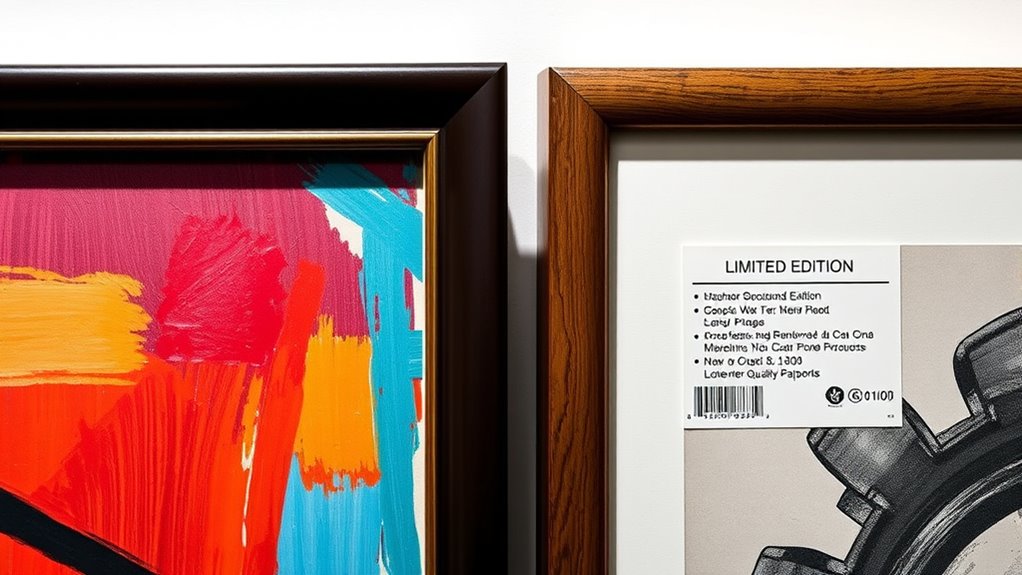
Understanding how edition size affects artwork value is essential when evaluating its worth. Smaller editions often carry higher value because they’re more exclusive, especially when paired with artist signatures that verify authenticity. When appraising an artwork, consider these tips:
- Check if the piece is a digital reproduction or an original; originals generally have higher value.
- Look for artist signatures, which can considerably increase worth, especially on limited editions.
- Evaluate the edition size: smaller editions tend to be more desirable and valuable than larger ones.
- Be aware of merchandise and licensing implications, as they can influence the perceived exclusivity and value of the artwork.
Frequently Asked Questions
How Does Edition Size Influence Long-Term Artwork Investment Potential?
Limited editions typically hold higher long-term investment potential because their scarcity increases desirability. You’ll find that limited editions, with fewer copies, tend to appreciate more over time. Conversely, open editions are more abundant, making them less likely to increase in value. When investing in artwork, consider how edition size impacts rarity—smaller editions usually offer better long-term value, especially compared to open editions that are widely available.
Can Smaller Editions Guarantee Higher Artwork Resale Value?
Smaller editions, like limited editions, often boost artwork resale value because they enhance exclusivity appeal. When you own a piece from a limited run, collectors see it as more unique and desirable, which can drive up prices over time. While smaller editions don’t guarantee higher resale value, they definitely increase the likelihood because of their rarity and the exclusivity that appeals to buyers looking for distinctive artwork.
What Role Do Digital Platforms Play in Edition Size Popularity?
Contrasting tradition with innovation, digital platforms revolutionize how you perceive edition size popularity. In a digital marketplace, limited editions create a sense of scarcity that fuels demand, making smaller editions more desirable. Conversely, larger editions can reach broader audiences, increasing overall exposure. Your choices on these platforms impact perceived value—smaller editions often seem more exclusive, but digital reach guarantees visibility, blending scarcity with accessibility to shape artwork desirability.
Are There Specific Art Styles More Affected by Edition Size Variations?
You might notice that certain art styles, like limited-edition prints or highly detailed works, are more affected by print run sizes. When the print run is small, it boosts the artist’s reputation and creates scarcity, increasing value. Conversely, larger print runs can diminish exclusivity. As a collector, understanding how edition size impacts these styles helps you gauge the artwork’s potential worth and its connection to the artist’s reputation.
How Do Collector Demographics Impact Preferences for Edition Sizes?
You notice that collector psychology and demographic trends shape preferences for edition sizes. Younger collectors might prefer limited editions, seeking exclusivity, while older collectors may favor larger editions for affordability. Demographic shifts influence what styles and edition sizes gain popularity. By understanding these trends, you can better tailor your artwork to meet collectors’ desires, increasing its appeal and potential value in the marketplace.
Conclusion
Remember, while edition size can softly whisper its influence on value, it’s ultimately your connection to the artwork that truly holds weight. Don’t overlook the subtle nuances—sometimes, the quiet rarity speaks volumes. Trust your instincts and consider the story behind each piece. In the end, the true worth lies not just in numbers, but in how a piece resonates with you, offering a gentle reminder that value often rests in personal meaning.