TL;DR
Listen free for 30 days with Audible
Thousands of audiobooks and originals — cancel anytime.
Start your free trialAs an affiliate, we earn on qualifying purchases.
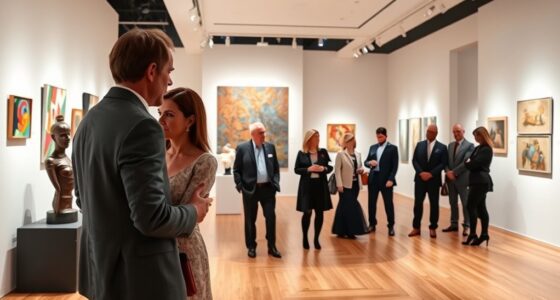
Frieze Seoul 2026 has demonstrated Asia’s expanding influence in the global art market, attracting significant attention from collectors, galleries, and media. The event signals a shift toward greater regional prominence in contemporary art.
Frieze Seoul 2026 has confirmed Asia’s expanding influence in the global art market, with a record number of galleries, collectors, and international media attending. The event underscores the region’s rising economic and cultural prominence, positioning Seoul as a key hub for contemporary art in Asia and beyond.
The 2026 edition of Frieze Seoul took place in early 2026, featuring over 100 galleries from across Asia, Europe, and North America. The event reported strong attendance, with a significant increase in international visitors compared to previous years, reflecting growing global interest in Asian contemporary art.
Organizers highlighted that the fair’s curated sections and special exhibitions emphasized the diversity and vibrancy of the Asian art scene. Notably, several galleries from emerging markets in Southeast Asia and Central Asia participated for the first time, signaling a broader regional engagement.
Industry insiders and analysts attribute this momentum to increased investment in Asian art by global collectors, as well as rising local art production and institutional support. The event also featured prominent exhibitions of works by leading Asian artists, further elevating the region’s profile.
Why Frieze Seoul 2026 Marks a Turning Point for Asia
The event’s success demonstrates Asia’s growing dominance in the international art scene, with increased market value, institutional backing, and global recognition. It indicates a shift in the global art power balance, where Asian markets are no longer peripheral but central to contemporary art discourse. This expansion benefits local artists, galleries, and cultural institutions, potentially attracting more foreign investment and collaborations.
Furthermore, the event’s international attention helps elevate Seoul’s status as a global art hub, competing with established centers like Hong Kong, Singapore, and Tokyo. The broader regional engagement also suggests that Asian art markets are becoming more interconnected, fostering cross-border collaborations and market stability.
Asian contemporary art gallery prints
As an affiliate, we earn on qualifying purchases.
As an affiliate, we earn on qualifying purchases.
Growth of Asia’s Art Market Preceding Frieze Seoul 2026
Over the past decade, Asia’s art market has experienced significant growth, driven by rising wealth, expanding collector bases, and increasing institutional support. Major cities like Seoul, Shanghai, and Hong Kong have become key centers for contemporary art, attracting international galleries and fairs.
While global interest in Asian art has been steadily rising, the 2020s marked a notable acceleration, with increased media coverage, auction sales, and institutional investments. The establishment of Frieze Seoul in 2023 further cemented the region’s presence on the international stage, with the 2026 edition reflecting this momentum.
Industry reports suggest that the unconfirmed surge in coverage and attendance at Frieze Seoul is part of a broader trend of rising interest in Asian art, although specific data and comparisons remain preliminary.
Asian artist limited edition artwork
As an affiliate, we earn on qualifying purchases.
As an affiliate, we earn on qualifying purchases.
Unconfirmed Aspects of Asia’s Market Expansion
While initial reports and industry commentary suggest a significant boost in Asia’s influence, detailed data on market size, sales figures, and long-term impacts remain unconfirmed. The extent of international interest and investment post-event is still being evaluated, and some analysts caution that the trend may be influenced by broader economic factors.
Additionally, the precise role of government policies and institutional support in driving this momentum is still unclear, with ongoing discussions about how sustainable this growth will be in the coming years.
Frieze Seoul art exhibition catalog
As an affiliate, we earn on qualifying purchases.
As an affiliate, we earn on qualifying purchases.
Next Steps for Asia’s Art Market Post-Event
Industry observers expect increased investment and gallery expansion in Asia, particularly in Seoul, as a result of the event’s success. The upcoming months will likely see new exhibitions, collaborations, and auction sales that build on this momentum.
Furthermore, organizers and participating galleries plan to analyze the event’s impact and explore opportunities for further regional integration. The establishment of a more permanent Asian art hub in Seoul or nearby cities is also under consideration, aiming to sustain and amplify the region’s rising influence.
Long-term, the focus will be on tracking sales data, audience engagement, and institutional support to assess whether this momentum translates into sustained growth and global recognition.
Asian art collector's display frame
As an affiliate, we earn on qualifying purchases.
As an affiliate, we earn on qualifying purchases.
Key Questions
What is Frieze Seoul?
Frieze Seoul is an international art fair that showcases contemporary art from Asia and beyond, attracting galleries, collectors, and media to promote regional and global art markets.
Why is Frieze Seoul 2026 considered a milestone?
It demonstrates Asia’s expanding influence in the global art scene, with increased participation, sales, and international interest, marking a shift in regional prominence.
How has the Asian art market grown recently?
Over the past decade, Asia’s art market has seen significant growth driven by rising wealth, institutional support, and increased international attention, with events like Frieze Seoul accelerating this trend.
What are the future prospects for Asian art markets?
Expect continued growth in market size, international collaborations, and institutional investments, with Seoul emerging as a key global hub for contemporary Asian art.
Are there any concerns about the sustainability of this growth?
Unconfirmed data and economic factors suggest that the long-term sustainability of this momentum remains uncertain, pending further analysis of sales and investment trends.
Source: local
Flea & tick season Picks
flea and tick prevention
As an affiliate, we earn on qualifying purchases.