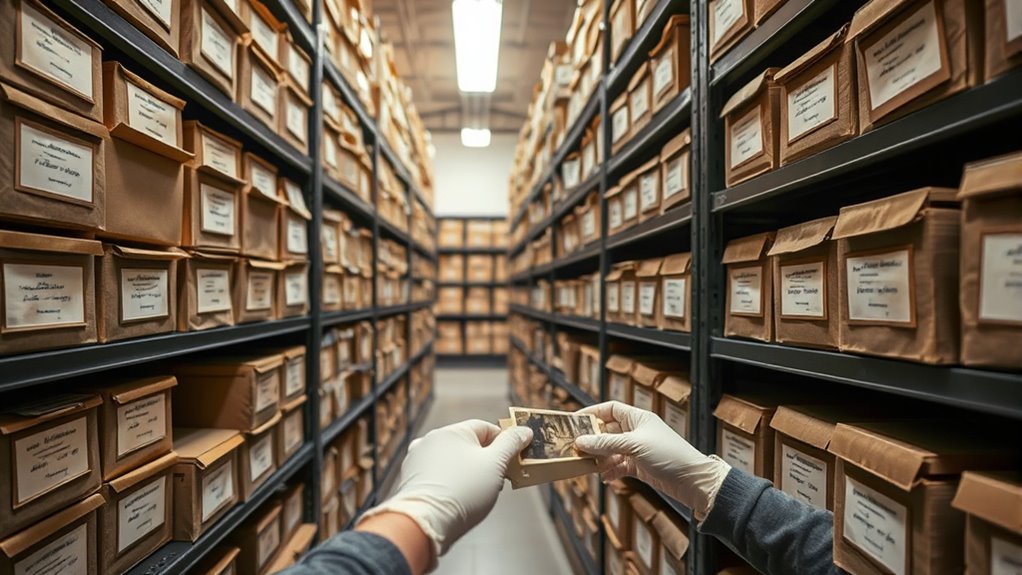

To set up archival storage for your photographs, choose high-quality, lossless formats like TIFF or PNG to preserve detail. Use reliable storage media such as archival-grade external drives or NAS systems, and keep backups in different locations, including cloud services. Regularly check your files for integrity, update formats to avoid obsolescence, and transfer everything to newer media as needed. Continuing with these steps will help guarantee your photos stay protected for years to come.

Get art and craft supplies delivered free with Prime
- Fast, free delivery on millions of items
- Prime Video, Amazon Music and more included
- Member-only deals all year
Key Takeaways
- Choose high-quality, lossless formats like TIFF or PNG to preserve image detail over time.
- Store files on archival-grade media such as SSDs or NAS systems with environmental resistance.
- Maintain multiple backups in different physical locations, including cloud services, for redundancy.
- Regularly verify file integrity, update formats, and transfer data to current storage media to prevent obsolescence.
- Implement a consistent maintenance schedule to review, refresh, and adapt storage solutions as technology evolves.
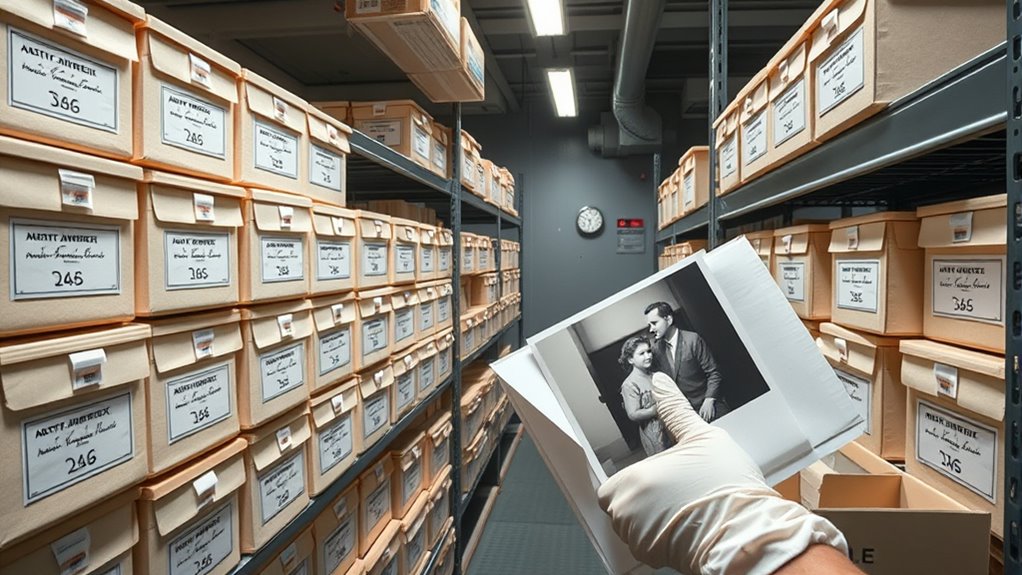
Photographs capture our most cherished memories, but without proper storage, they can quickly deteriorate over time. Whether you’re preserving printed photos or digital files, setting up an effective archival storage system is essential to maintain their quality and longevity. The first step is understanding digital file formats. When saving digital images, you want to choose formats that balance quality and file size, such as TIFF or PNG, which are lossless and preserve image detail. JPEGs are common for everyday use, but their lossy compression can degrade image quality over time, so avoid relying solely on them for archival purposes. By selecting the right digital file formats, you ensure your photos remain as true to the original as possible, even after years of storage.
Choosing the right digital formats like TIFF or PNG ensures your photos stay true to the original over time.
Next, you need to contemplate your storage media choices. For digital files, external hard drives, SSDs, or network-attached storage (NAS) systems are popular options. External drives are affordable and portable, but they can be vulnerable to physical damage or failure. SSDs are faster and more durable but tend to be more expensive. NAS systems offer centralized storage accessible from multiple devices, providing a layer of redundancy and backup options. Whichever medium you choose, make sure it’s reliable and designed for long-term storage. Avoid using older or unreliable media like floppy disks or CDs, as they are prone to degradation and data loss over time. Instead, invest in high-quality, archival-grade storage media that are specifically designed to resist environmental damage, such as temperature fluctuations, humidity, or light exposure.
Additionally, implementing a backup strategy is critical. Relying on a single storage device leaves your photos vulnerable to hardware failure or accidental deletion. Maintain at least one backup copy in a different physical location or cloud storage service. Cloud solutions, such as Google Drive or Dropbox, provide off-site backup options, reducing the risk of losing your images due to theft, fire, or other disasters. Just ensure your digital files are stored in the appropriate formats before uploading, so they remain accessible and intact over time.
Finally, regularly check your stored files and update your storage media as technology evolves. Digital formats and media can become obsolete, so transferring your images to newer, supported formats and media periodically will help ensure their longevity. By carefully selecting digital file formats, choosing reliable storage media, and maintaining a solid backup plan, you create a resilient system that keeps your photographs safe for generations to come.
Popular right now

Vitamix Propel Series 510 Professional-Grade Blender, 3 Programs, Black

Dyson Ball Animal 3 Corded Upright Vacuum
Dyson Car+Boat Cordless Handheld Vacuum
As an affiliate, we earn on qualifying purchases.
Frequently Asked Questions
How Often Should I Back up My Photographic Archive?
You should back up your photographic archive regularly to prevent data loss. How often depends on how frequently you add new photos, but a good rule is at least weekly. Use digital metadata to keep track of your images and guarantee backups include all relevant information. Implement hardware redundancy with multiple storage devices or cloud services to safeguard against hardware failure, giving you peace of mind that your memories are protected.
What Are the Best Software Options for Organizing Photos?
When choosing software for organizing photos, focus on options that excel in metadata management and photo tagging. Programs like Adobe Lightroom, digiKam, and Google Photos offer robust metadata features, making it easy to categorize and search your images. You can add keywords, tags, and descriptions, helping you quickly find specific photos later. Select software that fits your workflow, offers easy tagging, and keeps your collection well-organized and accessible.
How Do I Handle Fragile or Damaged Photographs?
When handling delicate prints, you should prioritize photo preservation by being gentle and avoiding direct contact with your hands. Use clean cotton gloves to handle fragile or damaged photographs, and support them fully to prevent further damage. Keep them in a stable environment with controlled temperature and humidity. If needed, consider consulting a professional conservator for repairs. Proper handling is essential to maintain your photos’ condition and longevity.
Can Cloud Storage Be a Reliable Long-Term Solution?
You can’t judge a book by its cover, so don’t assume cloud storage is foolproof. While it offers great storage scalability and convenience, you need to prioritize cloud security to keep your photos safe long-term. Relying solely on cloud storage isn’t wise; it’s best to use it as part of a broader backup plan. Regularly update security measures and consider multiple storage options for peace of mind.
What Environmental Conditions Prevent Photo Deterioration?
To prevent photo deterioration, you need to control environmental conditions. Keep humidity levels stable, ideally between 30-50%, to avoid mold and warping. Limit light exposure, especially to UV rays, by storing photographs in dark, cool places or using UV-filtering glass. Regularly monitor these conditions, and you’ll considerably extend the lifespan of your photos. Proper environmental control is key to preserving your photographs for years to come.
Conclusion
By choosing the right archival storage, you’re building a sturdy treasure chest for your photos, safeguarding memories like precious gems. Think of your collection as a garden—you must nurture it with proper care and protection to make sure it blossoms for generations. With careful planning, your photographs will remain vibrant and intact, like a timeless melody that continues to echo through time. Keep these strategies in mind, and your memories will always stay safely preserved, shining bright for years to come.