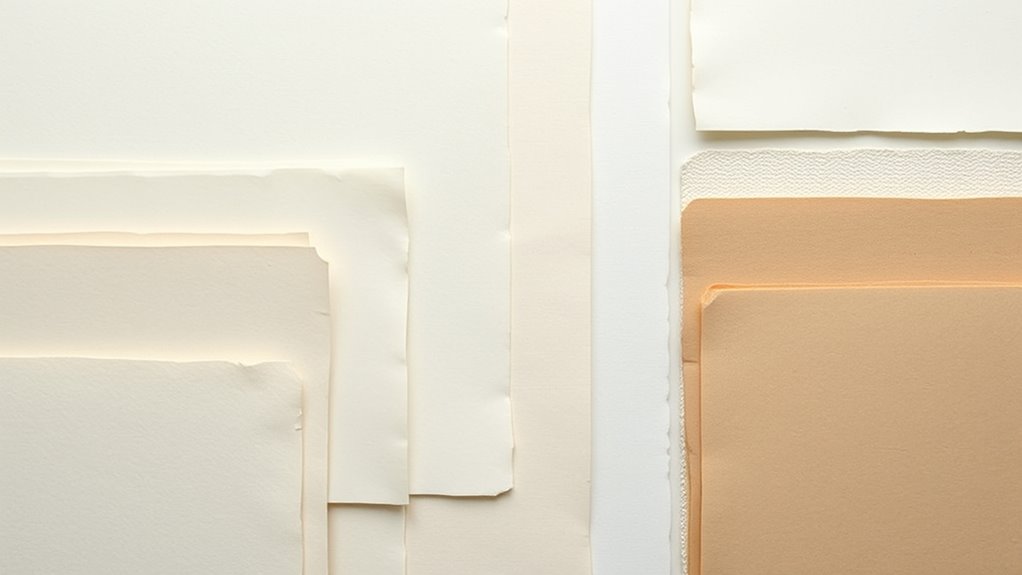

When starting with archival papers, focus on choosing acid-free and pH-neutral options, which resist deterioration over time. Types like cotton rag or lignin-free papers are ideal for durability and preservation of documents and artwork. Consider the material composition, as cotton and rag papers tend to last longer and are more environmentally friendly than wood pulp varieties. By understanding these options, you’ll be better equipped to select the right paper—explore further to discover detailed differences and tips.

Get art and craft supplies delivered free with Prime
- Fast, free delivery on millions of items
- Prime Video, Amazon Music and more included
- Member-only deals all year
Key Takeaways
- Archival papers are primarily acid-free or pH-neutral to prevent deterioration over time.
- Common types include cotton rag, lignin-free, and Japanese papers, each suited for different preservation needs.
- Material composition, such as cotton or wood pulp, impacts durability and environmental impact.
- Acid-free and lignin-free papers are ideal for long-term storage and conservation.
- Selecting the right archival paper depends on the project’s purpose, durability requirements, and budget.
As an affiliate, we earn on qualifying purchases.
Understanding Acid-Free and Ph Neutral Papers
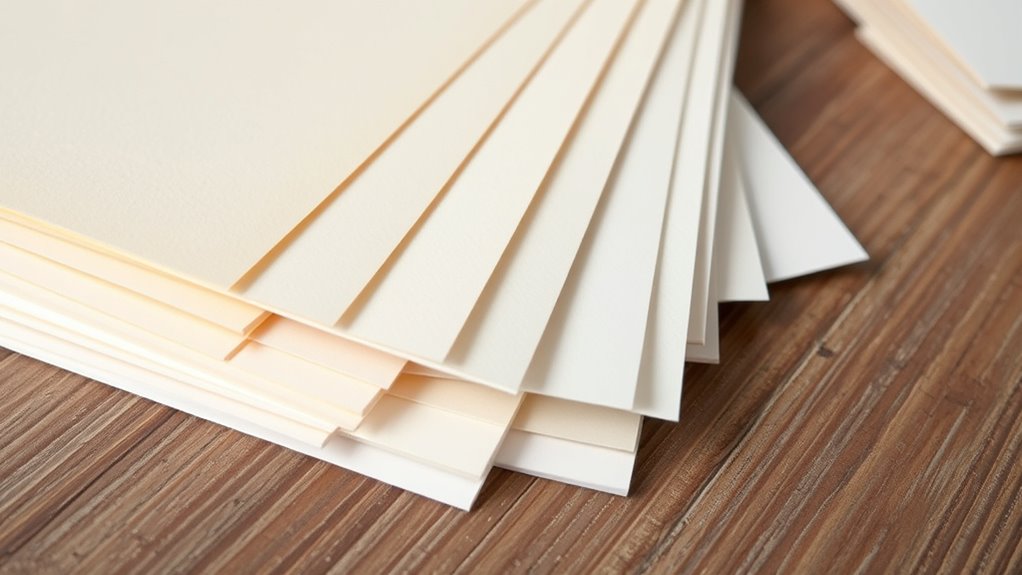
Have you ever wondered what makes some papers better for preservation than others? The key lies in their pH testing results and acid content. Acid-free papers have a pH level close to 7, meaning they’re neutral and less likely to degrade over time. When you test the pH, you’ll find that acidic papers have a pH below 7, which can cause the paper to become brittle and discolor. Acid content accelerates deterioration, so choosing pH-neutral or acid-free paper helps ensure longevity. Archival quality papers are manufactured with minimal acid, preventing harmful chemical reactions. Understanding how vetted pH testing reveals acid levels is crucial for selecting the best preservation materials, allowing you to make smarter decisions about which papers are suitable for preservation, ensuring your documents and artwork last for generations.
As an affiliate, we earn on qualifying purchases.
Common Types of Archival Paper and Their Uses
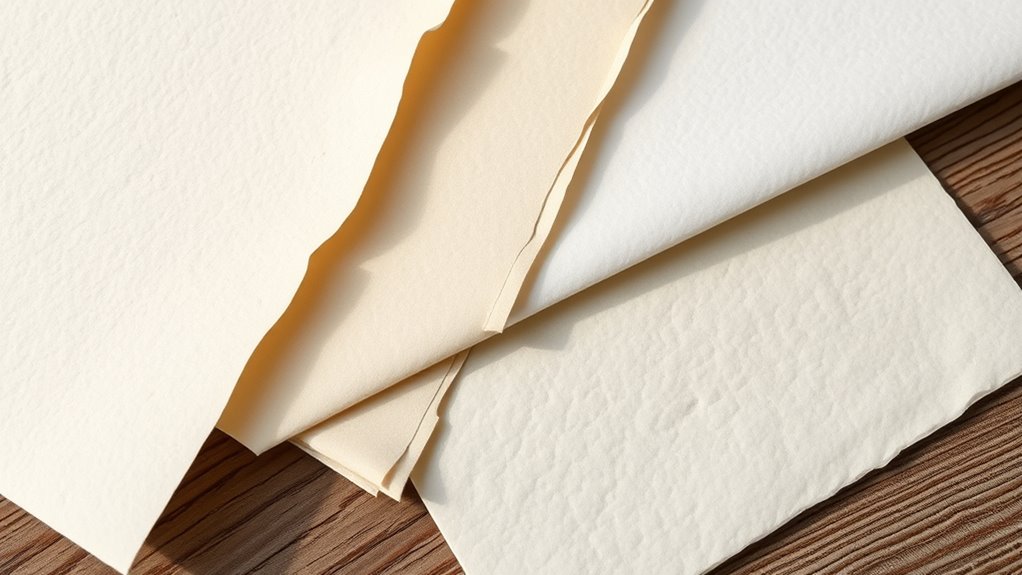
Choosing the right archival paper depends on your specific preservation needs, as different types are designed for various applications. For historical documentation, acid-free and lignin-free papers are common choices because they resist deterioration over time. Cotton rag papers are ideal for high-quality archival storage solutions, offering durability and a neutral pH that prevents yellowing. Archival boards provide sturdy support for fragile items, while lightweight Japanese papers are perfect for delicate conservation work. If you’re preserving photographs or artwork, specialty papers with specific coatings or densities are recommended. Understanding these common types helps ensure your materials stay intact for future generations. Selecting the appropriate paper guarantees your archival storage solutions are effective, protecting your collection’s integrity and historical significance. Additionally, considering the pH level of the paper is crucial in preventing chemical reactions that could accelerate deterioration over time.
As an affiliate, we earn on qualifying purchases.
The Importance of Material Composition in Preservation
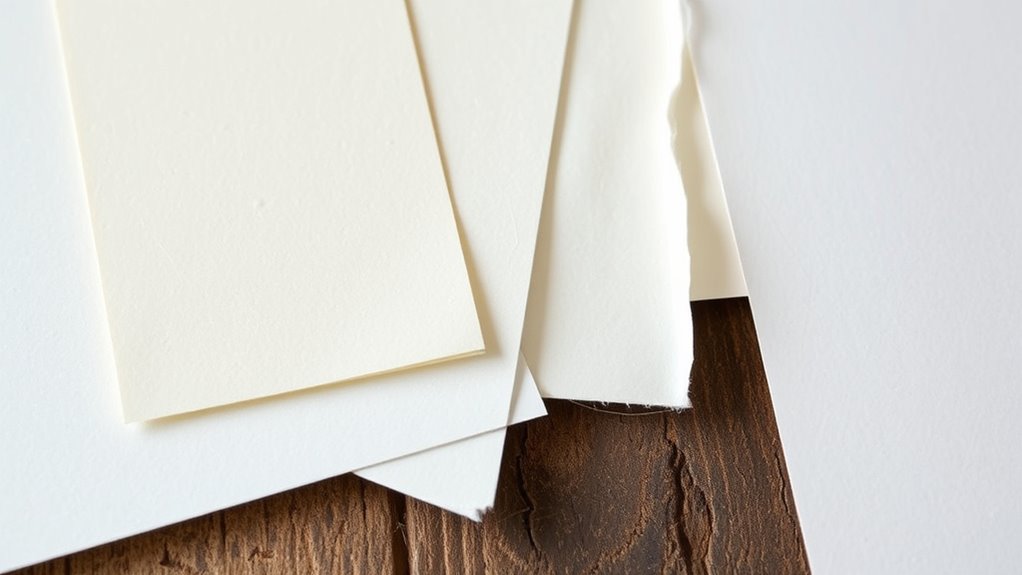
The material composition of archival papers directly influences their ability to preserve documents over time. Choosing chemically stable materials reduces the risk of deterioration and helps maintain your documents’ integrity. Additionally, the environmental impact of the paper’s composition matters; eco-friendly papers minimize harmful waste and pollution. For example, cotton rag papers are not only highly stable but also environmentally friendly, making them an excellent choice for long-term preservation.
As an affiliate, we earn on qualifying purchases.
Comparing Cotton, Rag, and Wood Pulp Papers
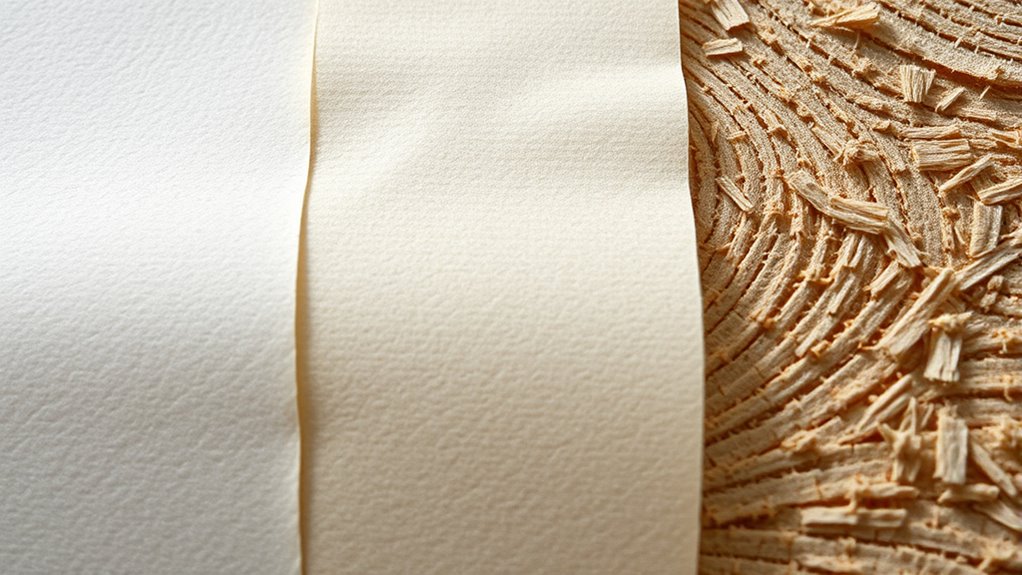
When comparing cotton, rag, and wood pulp papers, it’s essential to take into account their durability and chemical stability. Cotton and rag papers are usually made from high-quality fibers, offering excellent longevity and resistance to aging. They often feature handmade textures, adding unique character and tactile appeal, which can enhance the preservation of artwork and documents. In contrast, wood pulp papers tend to be less durable and may contain chemicals that cause deterioration over time. Additionally, cotton and rag papers generally have a lower environmental impact, especially when produced sustainably, while wood pulp production can involve more chemicals and deforestation. Choosing between these options depends on your priorities for longevity and preservation, aesthetic qualities, and environmental considerations.
Tips for Selecting the Right Archival Paper for Your Projects

Selecting the right archival paper for your projects involves considering factors beyond material quality, such as your specific preservation goals and how you’ll use the paper. If you aim for museum quality preservation, choose papers with pH neutrality and high lignin-free content. Think about the project’s longevity and whether the paper’s durability matches your needs. Keep in mind that archival paper cost varies; higher-quality papers often come at a premium, but they provide better protection over time. Assess whether your project requires acid-free, lignin-free, or cotton rag content for ideal preservation. Additionally, understanding quality assurance metrics can help you evaluate the reliability of your chosen materials. By understanding these factors, you can select an archival paper that balances your budget with your preservation goals, ensuring your work remains in excellent condition for years to come.
Frequently Asked Questions
How Do I Store Archival Paper Properly?
To store archival paper properly, you should prioritize acid-free storage materials to prevent deterioration. Handle the paper with clean, dry hands or gloves to avoid oils and dirt. Keep it flat in a cool, dry, and dark environment, avoiding direct sunlight and humidity. Use acid-free folders or boxes for added protection. Proper handling and acid-free storage guarantee your paper remains in excellent condition for years to come.
Can I Use Archival Paper for Digital Printing?
You can use archival paper for digital printing, especially if you’re creating photographic prints or watercolor paintings. Archival paper guarantees your prints stay vibrant and resist deterioration over time. It’s designed to handle various inks and media, making it ideal for preserving your artwork. Just choose the right weight and texture to match your project’s needs, and you’ll get professional-quality results that last for years.
What Environmental Conditions Affect Archival Paper Longevity?
Oh, the glamorous life of archival paper—ruined by a little thing called humidity! You must control humidity levels to prevent warping and deterioration. Acid-free materials are your allies in this quest for longevity, resisting acidic decay. Sunlight’s harsh rays and fluctuating temperatures also threaten your precious documents. Keep your environment stable, cool, and dry, and your archival paper will thank you with a century or more of pristine preservation.
Is Archival Paper Suitable for Outdoor Displays?
You shouldn’t use archival paper for outdoor displays because, despite its qualities, it isn’t designed to withstand environmental factors. Archival paper is typically acid-free and offers some UV resistance, but prolonged exposure to sunlight, moisture, and varying weather conditions can still cause deterioration. For outdoor displays, look for materials specifically made to resist UV rays and moisture, ensuring your display remains preserved over time.
How Can I Tell if Paper Is Genuinely Archival?
Did you know that over 90% of documents lost to deterioration could’ve been preserved with proper archival paper? To tell if paper is genuinely archival, you should check its acid free testing and pH level assessment. Genuine archival paper typically has a neutral pH of 7 or higher, indicating it’s acid-free. Always look for labels or certifications confirming its archival quality to ensure your materials last for generations.
Conclusion
So, after all this talk about acid-free papers and material quirks, you’d think preserving your treasures would be a breeze. Ironically, choosing the right archival paper is the tricky part—like a puzzle with no clear answer. But don’t fret! With a little knowledge and attention, you’ll master the art of preservation. After all, what’s more satisfying than knowing your precious memories are safe, even if the paper itself isn’t as simple as it seems?
Halloween Picks
halloween
As an affiliate, we earn on qualifying purchases.