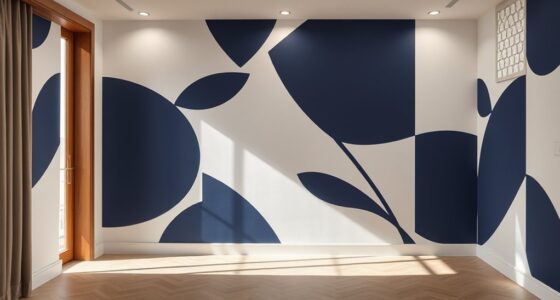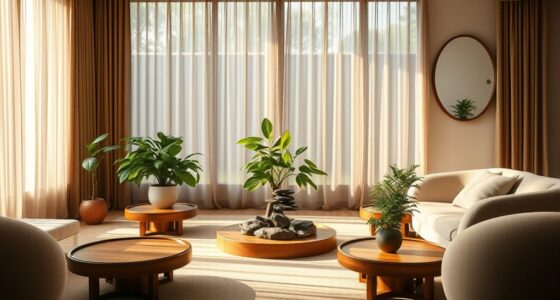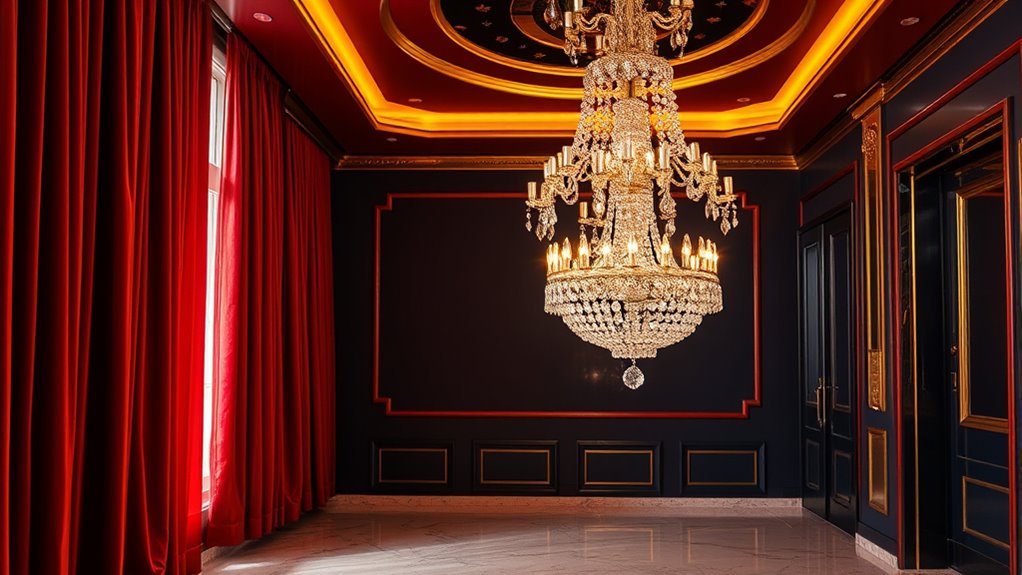

Material drenching involves using a single material throughout a space to create a bold, cohesive look. You focus on manipulating textures, finishes, and lighting to add drama and depth, making surfaces come alive. By intentionally choosing one material, you simplify decisions while maximizing visual impact. This approach transforms ordinary spaces into immersive environments with striking personality. If you explore further, you’ll discover how lighting and surface variations can elevate your interior design to a whole new level.

Get art and craft supplies delivered free — and shop member deals
- Fast, free delivery on millions of items
- Access to Prime Big Deal Days deals on October 6–7
- Prime Video, Amazon Music and more included
Key Takeaways
- Material drenching uses a single material to create bold, cohesive interior spaces with visual impact.
- Lighting enhances surface qualities, revealing textures and adding depth to the material.
- Combining different textures and finishes within one material adds tactile richness and visual interest.
- Focusing on a single material simplifies design decisions while achieving a dramatic, refined environment.
- Manipulating lighting and surface treatments elevates the material into a striking, dynamic design feature.
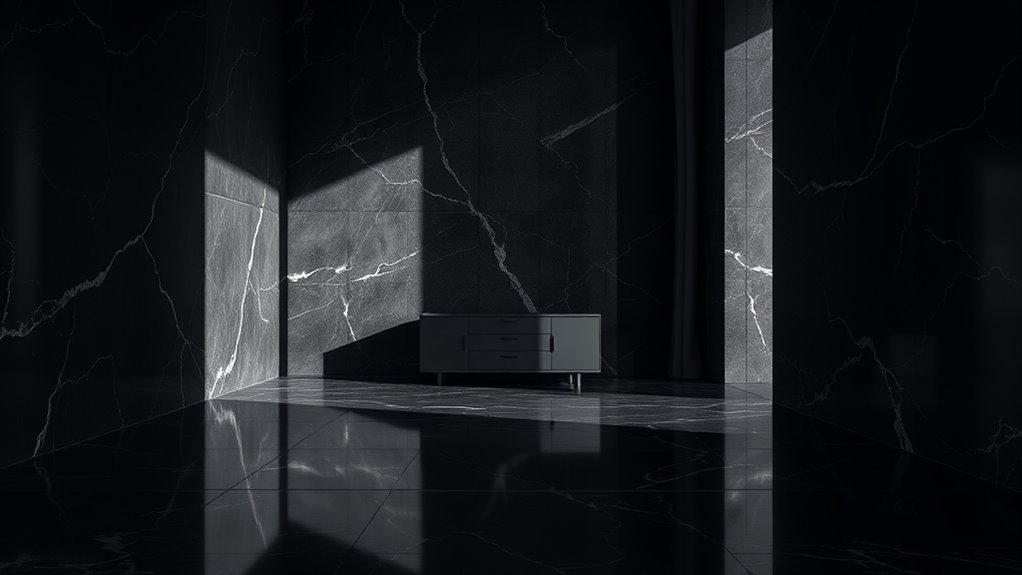
Have you ever wondered how a single material can transform an entire interior into a striking and cohesive space? It’s a powerful design strategy that hinges on the intentional use of one material to create visual impact and unity. By focusing on a single material, you’re able to craft an environment where every element works harmoniously, and the space feels both intentional and refined. A key to achieving this effect lies in manipulating lighting effects and texture contrasts, which can elevate a simple material into a dynamic design feature. When you consider lighting, it’s not just about illumination; it’s about how light interacts with the material’s surface, bringing out its nuances and depth. For example, soft, diffuse lighting can emphasize the smoothness of a polished stone, creating a serene, almost reflective quality. Conversely, directional lighting can cast shadows that accentuate the material’s texture, adding drama and dimension. By carefully choosing lighting effects, you can highlight the material’s unique qualities and create a mood that supports your design vision. Additionally, understanding the material properties can help in selecting the appropriate lighting and finishes to enhance the desired effect.
Texture contrasts also play a crucial role in material drenching. Using a single material with variations in texture—such as combining rough and smooth surfaces—can evoke a tactile richness that keeps the eye engaged. Imagine a wall clad in a uniform material like concrete, but with sections of exposed aggregate or textured plaster. These subtle variations add depth without breaking the cohesion of the overall design. Texture contrast doesn’t have to be limited to physical surface differences; it can also be achieved through finishes, patterns, or even the way a material is processed. For instance, a continuous application of wood can vary from matte, brushed, or glossy finishes, creating a layered visual experience while maintaining material consistency.
The beauty of material drenching is that it simplifies decision-making while maximizing impact. When you pick one material and explore its possibilities through lighting effects and texture contrasts, you create a space that feels deliberate and immersive. The key is to focus on how the material interacts with light and how its surface qualities can be manipulated to produce visual interest. This approach allows you to craft interiors that are not only dramatic but also cohesive and sophisticated. Ultimately, with careful attention to lighting effects and texture contrasts, you harness the full potential of a single material to make a bold statement that resonates throughout the entire space.
polished stone tiles for interior walls
As an affiliate, we earn on qualifying purchases.
As an affiliate, we earn on qualifying purchases.
Frequently Asked Questions
How Do Material Drenching Techniques Affect Indoor Air Quality?
Material drenching techniques can substantially impact your indoor air quality by increasing volatile emissions from the materials used. These emissions release volatile organic compounds (VOCs) that can degrade air quality and cause health issues. You should ensure proper ventilation and select low-emission materials to minimize air quality impact. By doing so, you protect yourself from potential health risks associated with volatile emissions and create a safer, more comfortable indoor environment.
What Are the Cost Considerations for Using Single Materials Extensively?
Using single materials extensively can be cost-efficient because it reduces the need for multiple supplies and simplifies installation. You’ll benefit from better material availability, avoiding delays caused by sourcing diverse materials. However, consider potential higher costs for premium materials if you want a dramatic effect. Overall, focusing on a single material can lower your project expenses and streamline procurement, but balance quality and budget to achieve the desired interior impact.
How Durable Are Materials When Used in Drenching Applications?
In drenching applications, materials generally offer high durability, but their longevity depends on specific types and maintenance. You’ll find that some materials, like treated metals or waterproof composites, provide excellent material longevity and withstand moisture exposure. However, flexibility varies; some materials may crack or warp over time if not suited for constant dampness. Choose materials with proven durability and flexibility to guarantee your interior remains striking and long-lasting.
Can Material Drenching Be Reversed or Changed Easily?
Think of material drenching like painting over a wall—it’s often possible to change or remove the material with effort. You can achieve material removal to switch designs, but it may be tricky depending on the material’s adhesion. While it offers some design flexibility, complete reversal isn’t always easy or clean. Be prepared for potential damage or residue, making future adjustments a bit of a challenge.
What Maintenance Is Required for Drenching-Treated Interiors?
You should regularly inspect your drenching-treated interiors to maintain material longevity. Follow specific cleaning protocols, avoiding harsh chemicals that could damage the finish. Gentle cleaning with soft cloths and appropriate cleaners helps preserve the dramatic effect and prevents deterioration. By staying consistent with maintenance, you guarantee your interior remains striking and durable, ultimately extending its lifespan and keeping the dramatic impact alive for years to come.
As an affiliate, we earn on qualifying purchases.
Conclusion
So, don’t underestimate the power of just one material. It’s funny how a single element can transform a space from plain to breathtaking—proving simplicity often leads to the most dramatic results. But beware: relying on just one material might also make your interior feel a bit too predictable or cold. Ironically, the very thing that creates drama can also risk stripping away warmth and complexity. Sometimes, less truly is more—unless you want your space to feel empty.
LED accent lighting for wall surfaces
As an affiliate, we earn on qualifying purchases.
As an affiliate, we earn on qualifying purchases.
concrete wall panels for home decor
As an affiliate, we earn on qualifying purchases.
As an affiliate, we earn on qualifying purchases.
Evergreen bestsellers Picks
bestsellers
As an affiliate, we earn on qualifying purchases.