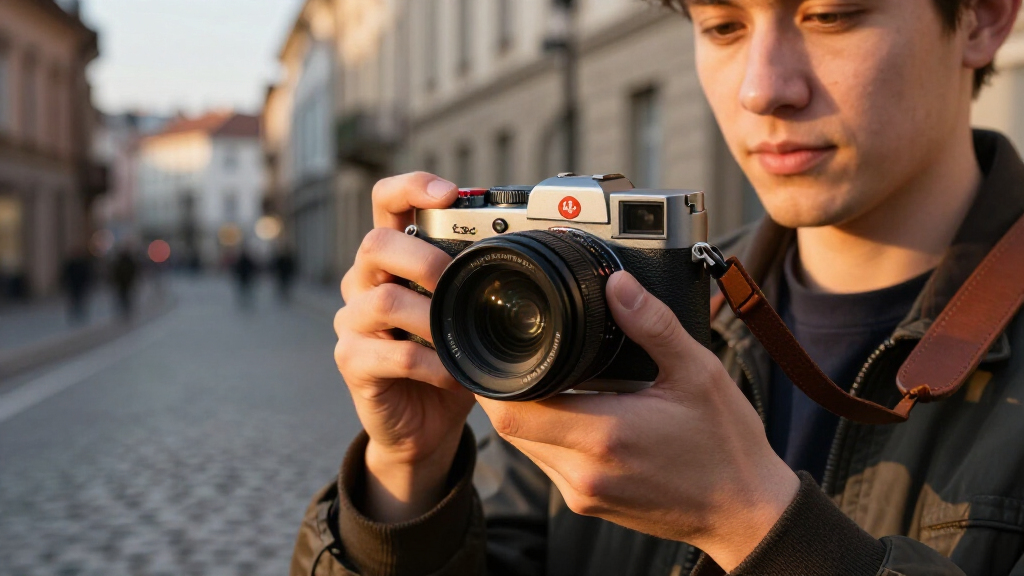

When searching for the best Leica camera lenses, the key considerations are image quality, build, versatility, and price. The Leica Summicron-SL 50mm f/2 ASPH. stands out as the overall top choice for its stunning sharpness and compact design. For wider applications, the Leica Vario-Elmarit-SL 24-70mm f/2.8 ASPH. offers excellent versatility, while the Leica Summicron-SL 35mm f/2 ASPH. provides a classic focal length with superb clarity. Readers face tradeoffs between premium quality, focal length options, and budget constraints. Continue reading for a detailed breakdown of each lens and what makes them suitable for different needs.
Key Takeaways
- The Leica Summicron-SL 50mm f/2 ASPH. offers outstanding image quality in a compact form, making it the best overall pick.
- Versatility is key with the Leica Vario-Elmarit-SL 24-70mm, which covers multiple focal lengths for varied shooting scenarios.
- Budget-conscious buyers should consider the Panasonic Leica DG lenses, which deliver Leica quality at a lower price point.
- A wider focal length, like the 9mm F1.7, is ideal for landscapes and architecture, but sacrifices some portability.
- The choice depends heavily on whether the priority is image quality, focal range, or cost savings—each lens excels in different areas.
| Leica Summicron-SL 50mm f/2 ASPH. Lens for L-Mount |  | Best Overall for Versatile Full-Frame Photography | Focal Length: 50 mm | Maximum Aperture: f/2 | Lens Type: Standard prime | VIEW LATEST PRICE | See Our Full Breakdown |
| Leica Vario-Elmarit-SL 24-70mm f/2.8 ASPH. Lens (11189) |  | Best for Versatile Zooming in Demanding Conditions | Lens Mount: Leica L-Mount | Format: Full-frame | Focal Length: 24-70mm | VIEW LATEST PRICE | See Our Full Breakdown |
| Leica Summicron-SL 35mm f/2 ASPH Lens for Leica L-Mount |  | Best for Street and Environmental Photography | Focal Length: 35mm | Maximum Aperture: f/2 | Lens Mount: Leica L | VIEW LATEST PRICE | See Our Full Breakdown |
| Panasonic Leica DG Summilux 9mm F1.7 ASPH Micro Four Thirds Lens (H-X09, Black) |  | Best Compact Wide-Angle for Video and Low-Light | Focal Length: 9mm (18mm equivalent) | Maximum Aperture: F1.7 | Lens Construction: 12 elements in 9 groups | VIEW LATEST PRICE | See Our Full Breakdown |
| Panasonic LUMIX LEICA DG Vario-Elmarit 12-60mm f/2.8-4 ASPH Professional Lens (Renewed) |  | Best Professional Zoom with Versatile Range | Focal Length: 12-60mm (24-120mm 35mm equivalent) | Max Aperture: f/2.8-4.0 | Lens Construction: 4 ASPH / 2 ED elements | VIEW LATEST PRICE | See Our Full Breakdown |
| Panasonic LUMIX Leica DG Vario-Summilux 25-50mm F1.7 ASPH Lens (H-X2550) |  | Best Versatile Zoom for Micro Four Thirds | Lens Mount: Micro Four Thirds | Focal Length: 25-50mm | Maximum Aperture: F1.7 throughout zoom range | VIEW LATEST PRICE | See Our Full Breakdown |
| Leica camera lense | Focal Length | Maximum Aperture | Weather Sealing | Lens Mount |
|---|---|---|---|---|
| Leica Summicron-SL 50mm f/2 AS | 50 mm | f/2 | Yes | — |
| Leica Vario-Elmarit-SL 24-70mm | 24-70mm | f/2.8 | Dust and moisture resistant | Leica L-Mount |
| Leica Summicron-SL 35mm f/2 AS | 35mm | f/2 | — | Leica L |
| Panasonic Leica DG Summilux 9m | 9mm (18mm equivalent) | F1.7 | — | — |
| Panasonic LUMIX LEICA DG Vario | 12-60mm (24-120mm 35mm equivalent) | — | Splash-proof, dust-proof, freeze-proof | — |
| Panasonic LUMIX Leica DG Vario | 25-50mm | F1.7 throughout zoom range | — | Micro Four Thirds |
More Details on Our Top Picks
Leica Summicron-SL 50mm f/2 ASPH. Lens for L-Mount
The Leica Summicron-SL 50mm f/2 ASPH. stands out as a highly versatile prime that balances exceptional optical quality with practical features. Its sharpness rivals that of the Leica Summicron-SL 35mm but offers a more classic focal length suited for portraits and general use. The bright f/2 aperture enables impressive low-light performance and shallow depth of field, while the weather-sealed, weather-resistant metal body makes it reliable in various conditions. Unlike zooms, it sacrifices framing flexibility, but its compact size and quiet autofocus make it an excellent choice for both stills and videos. The main tradeoff is the lack of optical image stabilization, which might be a drawback for handheld video shooters.
Pros:- Outstanding sharpness with three aspherical elements ensuring crisp images
- Bright f/2 aperture supports low-light and creative depth of field
- Quiet autofocus system ideal for video and stills
- Compact, weather-sealed metal construction enhances durability
Cons:- No optical image stabilization, which can be limiting in handheld shooting
- Fixed focal length reduces framing flexibility compared to zooms
Best for: Photographers seeking a high-quality, all-purpose prime lens for full-frame mirrorless cameras, especially those who value sharpness and build quality.
Not ideal for: Videographers who rely heavily on stabilization or photographers needing a zoom range for fast-changing scenes.
- Focal Length:50 mm
- Maximum Aperture:f/2
- Lens Type:Standard prime
- Camera Mount:Leica L-Mount
- Format Compatibility:Full-frame mirrorless
- Optical Construction:9 elements in 8 groups
- Aspherical Elements:3
- Weight:14.2 oz
- Weather Sealing:Yes
Our verdict“This lens is perfect for those who prioritize optical excellence and reliability in a prime for full-frame photography.”
Leica Vario-Elmarit-SL 24-70mm f/2.8 ASPH. Lens (11189)
The Leica Vario-Elmarit-SL 24-70mm f/2.8 ASPH. offers a flexible zoom range that covers most everyday shooting scenarios, from wide-angle landscapes to short telephoto portraits. Compared with the fixed 50mm Summicron-SL, this zoom provides framing versatility without changing lenses, making it ideal for event and travel photography. Its consistent f/2.8 aperture ensures decent low-light performance across the zoom range, while the three aspherical elements keep images sharp and minimize aberrations. The weather-sealed, durable metal body suits outdoor professionals. The main compromise is the absence of optical stabilization, which could impact handheld shots, especially in low light or video.
Pros:- Constant f/2.8 aperture ensures consistent exposure and depth of field
- Wide focal range (24-70mm) covers most general shooting needs
- Sharp images with three aspherical elements
- Weather-sealed, robust metal construction
Cons:- No optical image stabilization, which limits handheld stability
- Bulkier than prime lenses, adding weight to the kit
Best for: Photographers needing a reliable, all-around zoom lens for varied subjects in challenging conditions.
Not ideal for: Those seeking the ultimate in low-light performance or compactness, since zoom lenses tend to be bulkier and less portable.
- Lens Mount:Leica L-Mount
- Format:Full-frame
- Focal Length:24-70mm
- Maximum Aperture:f/2.8
- Minimum Aperture:f/22
- Lens Design:Zoom
- Focus Mechanism:Internal focus
- Weather Sealing:Dust and moisture resistant
Our verdict“This lens is well-suited for photographers who require flexibility and durability in diverse shooting environments.”
Leica Summicron-SL 35mm f/2 ASPH Lens for Leica L-Mount
The Leica Summicron-SL 35mm f/2 ASPH. offers a classic wide-angle perspective, making it ideal for street, documentary, and environmental work. Its constant f/2 aperture supports low-light situations, especially in urban or indoor settings. The lens delivers superb sharpness across the frame, thanks to its three aspherical elements, while the fast internal focusing ensures quick responsiveness. Compared to the 50mm, this 35mm provides greater framing flexibility for capturing candid moments but at the expense of a fixed focal length. Its compact, weather-sealed design makes it suitable for carrying all day, yet the fixed focal length limits framing options when versatility is needed.
Pros:- Excellent sharpness and contrast across the frame
- Constant f/2 aperture performs well in low-light
- Fast internal focusing with minimal delay
- Reduced aberrations and smooth bokeh
Cons:- Fixed focal length limits composition options
- Less suited for telephoto or long-distance needs
Best for: Street and documentary shooters who want a reliable, high-quality wide-angle prime for full-frame mirrorless cameras.
Not ideal for: Photographers needing zoom flexibility or those preferring longer focal lengths for portraits or telephoto work.
- Focal Length:35mm
- Maximum Aperture:f/2
- Lens Mount:Leica L
- Format Compatibility:Full-frame mirrorless
- Focus System:Internal focusing
- Optical Elements:3 aspherical
Our verdict“This lens makes sense for those who prioritize image quality and portability over framing flexibility in street or environmental photography.”
Panasonic Leica DG Summilux 9mm F1.7 ASPH Micro Four Thirds Lens (H-X09, Black)
The Panasonic Leica DG Summilux 9mm F1.7 ASPH is a standout ultra-wide prime designed for Micro Four Thirds users who need both portability and performance. Its extremely bright F1.7 aperture excels in low-light environments, creating beautiful, creamy bokeh for both stills and video. With a minimal focusing distance of just 0.095m, it can handle quasi-macro shots, adding to its versatility. Its compact, lightweight body and rugged weather resistance make it suitable for outdoor vlogging, travel, or documentary work. Compared to larger zooms, this lens sacrifices zoom range but excels in situations requiring a lightweight, fast prime. The main limitation is its mount restriction, making it incompatible with other systems.
Pros:- F1.7 aperture delivers excellent low-light and depth control
- Extremely compact and lightweight for portability
- Close focusing distance enables quasi-macro shots
- Weather-sealed design for outdoor resilience
Cons:- Limited to Micro Four Thirds mount, reducing compatibility
- Ultra-wide focal length less flexible for general use
Best for: Videographers and travel photographers needing a compact, fast ultra-wide lens for Micro Four Thirds cameras in challenging conditions.
Not ideal for: Photographers seeking a more versatile zoom or who shoot on larger sensor systems, as this is specialized for Micro Four Thirds.
- Focal Length:9mm (18mm equivalent)
- Maximum Aperture:F1.7
- Lens Construction:12 elements in 9 groups
- Minimum Focus Distance:0.095m
- Weight:130g
- Mount:Micro Four Thirds
- Weather Resistance:Dust/splash/freeze-resistant
Our verdict“This lens is ideal for those who prioritize size, speed, and low-light capability in wide-angle shooting, especially for video.”
Panasonic LUMIX LEICA DG Vario-Elmarit 12-60mm f/2.8-4 ASPH Professional Lens (Renewed)
The Panasonic LEICA DG Vario-Elmarit 12-60mm f/2.8-4 ASPH provides a flexible zoom range from wide to portrait lengths, making it a practical choice for professionals using Micro Four Thirds cameras. Its variable aperture is a tradeoff compared with fixed f/2.8 zooms like the Vario-Elmarit 24-70mm, but it still offers excellent optical quality thanks to four aspherical and two ED elements. Its weather-sealed, dust- and freeze-resistant body is designed for demanding outdoor environments. The main compromise is its condition; being refurbished, it may lack the confidence of a new lens, and the variable aperture reduces low-light capability at longer focal lengths compared to constant f/2.8 zooms.
Pros:- Versatile 12-60mm zoom covers wide to portrait focal lengths
- Weather-sealed, robust metal build
- High optical quality with multiple special elements
- Compatible with Dual I.S. 2.0 for stabilization
Cons:- Refurbished condition may raise durability concerns
- Variable aperture reduces consistency in low-light or video scenarios
Best for: Professional or enthusiast photographers seeking a durable, versatile zoom for outdoor and travel photography on Micro Four Thirds systems.
Not ideal for: Beginners or those needing a constant aperture for consistent low-light performance, due to the variable f/2.8-4.0 aperture.
- Focal Length:12-60mm (24-120mm 35mm equivalent)
- Max Aperture:f/2.8-4.0
- Lens Construction:4 ASPH / 2 ED elements
- Filter Diameter:62mm
- Image Stabilization:POWER O.I.S., Dual I.S. 2.0
- Weather Sealing:Splash-proof, dust-proof, freeze-proof
- Mount:Micro Four Thirds
Our verdict“This lens suits professionals needing a durable, flexible zoom for outdoor work on Micro Four Thirds, provided the refurbished condition is acceptable.”
Panasonic LUMIX Leica DG Vario-Summilux 25-50mm F1.7 ASPH Lens (H-X2550)
This lens stands out for its consistent bright F1.7 aperture across a versatile 25-50mm zoom range, making it ideal for both photography and video. Compared to the Leica Summicron-SL 50mm f/2 ASPH., which excels in prime image quality, this zoom offers greater flexibility but sacrifices some sharpness at the edges due to its design. Its stepless aperture ring supports smooth exposure transitions during video, a feature absent in many standard zooms. The rugged, weather-resistant build makes it suitable for outdoor shoots, though it’s limited to Micro Four Thirds cameras, unlike full-frame options. This lens is perfect for hybrid shooters who need a durable, bright zoom for versatile shooting conditions. However, the smaller sensor size means slightly less detail and low-light performance than full-frame options like Leica’s lenses. Dust and splash resistance do not fully guarantee protection from harsh elements, so caution is advised in extreme conditions.
Pros:- Bright constant F1.7 aperture across the zoom range, excellent for low-light and depth-of-field control
- Stepless aperture ring allows smooth exposure adjustments during video recording
- Optical design minimizes image shifts when zooming, maintaining image stability
- Rugged construction resists dust, splashes, and freezing conditions, suitable for demanding environments
Cons:- Limited to Micro Four Thirds systems, restricting compatibility for some users
- Weather resistance does not guarantee full protection against extreme exposure, especially in heavy rain or dust
Best for: Micro Four Thirds photographers and videographers seeking a bright, flexible zoom for outdoor and travel use.
Not ideal for: Full-frame camera users who require maximum detail and low-light performance or those who prefer prime lenses for maximum sharpness.
- Lens Mount:Micro Four Thirds
- Focal Length:25-50mm
- Maximum Aperture:F1.7 throughout zoom range
- Lens Type:Leica DG Vario-Summilux ASPH zoom lens
- Aperture Control:Stepless aperture ring with micro-step drive system
- Weather Resistance:Dust-, splash-, and freeze-resistant
Our verdict“This lens is an excellent choice for hybrid shooters needing a bright, durable zoom on Micro Four Thirds cameras, accepting some limitations in size and sensor performance.”
How We Picked
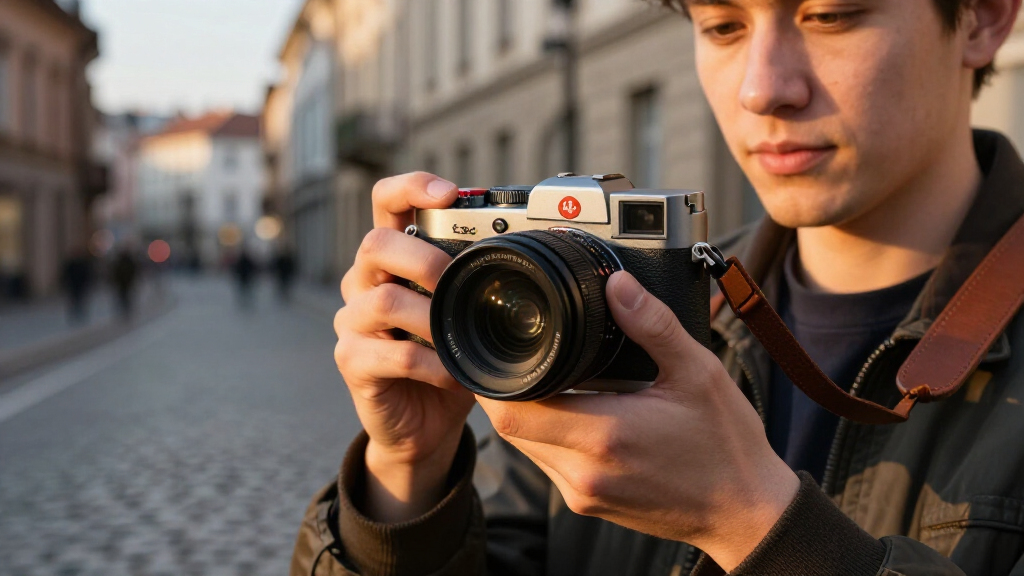
In selecting the best Leica lenses, I focused on several core criteria: optical performance, build quality, usability, and value relative to price. I prioritized lenses that demonstrate sharpness, color rendition, and minimal distortion, especially in real-world shooting scenarios. Usability factors such as size, weight, and autofocus speed also played a role, along with how well the lens complements Leica camera systems. The rank order reflects a balance between premium features and practical considerations, ensuring each lens suits a different type of photographer’s needs.| Leica camera lense | Maximum Aperture | Weather Sealing | Lens Mount |
|---|---|---|---|
| Leica Summicron-SL 50mm f/2 AS | f/2 | Yes | — |
| Leica Vario-Elmarit-SL 24-70mm | f/2.8 | Dust and moisture resistant | Leica L-Mount |
| Leica Summicron-SL 35mm f/2 AS | f/2 | — | Leica L |
| Panasonic Leica DG Summilux 9m | F1.7 | — | — |
| Panasonic LUMIX LEICA DG Vario | — | Splash-proof, dust-proof, freeze-proof | — |
| Panasonic LUMIX Leica DG Vario | F1.7 throughout zoom range | — | Micro Four Thirds |
Factors to Consider When Choosing Best Leica Camera Lenses
Choosing the right Leica camera lens involves understanding several key factors that impact your photography experience. Beyond just image quality, considerations like focal length, aperture, size, and compatibility shape your decision. Being aware of common pitfalls—such as overpaying for features you don’t need or selecting a lens that doesn’t suit your typical shooting style—can save you money and frustration. This guide outlines the most important factors to consider when selecting a Leica lens, helping you make an informed choice tailored to your needs.Focal Length and Use Case
Focal length determines how you frame your shots and what subjects you can capture effectively. For portraits, a 50mm lens offers natural perspective and excellent subject isolation. Wide-angle options like 35mm or 9mm are perfect for landscapes, architecture, or street photography, but they can introduce distortion if not used carefully. Telephoto lenses are less common in Leica’s lineup but are ideal for wildlife or sports. Choosing the right focal length ensures your lens supports your primary shooting style without compromise.
Aperture and Low-Light Performance
A wider aperture (f/1.4 to f/2.8) allows more light into the camera, making it easier to shoot in dim environments and achieve pleasing background blur. Leica lenses generally excel in this area, but the size and cost of wider apertures increase significantly. For everyday versatility, an f/2 or f/2.8 lens balances light-gathering ability with manageable size and cost. Consider your typical shooting conditions and whether you need a lens that performs well in low light or offers a shallow depth of field.
Build Quality and Handling
Leica lenses are renowned for their durable construction and tactile feel. A well-built lens reduces the risk of damage and enhances handling during long shoots. Weight and size matter too—compact lenses like the Summicron-SL 50mm are easier to carry and stabilize, while larger zooms or wide-angle lenses may require tripods or additional support. Think about how you’ll carry and use the lens, especially if you plan on traveling or shooting for extended periods.
Compatibility and Mounting
Leica lenses are designed for specific systems, such as L-Mount or Micro Four Thirds. Ensuring compatibility with your camera body is essential, but also consider the ecosystem—if you own multiple Leica or Panasonic cameras, selecting lenses that fit your entire lineup maximizes flexibility. Some lenses are optimized for full-frame sensors, while others are designed for crop sensors, affecting image quality and field of view. Compatibility influences both performance and future-proofing your investment.
Price and Value
Leica lenses tend to command premium prices, but the value depends on your shooting needs. High-end lenses like the Summicron-SL deliver exceptional optical quality but come with a hefty price tag. Budget-friendly options from Panasonic Leica provide respectable performance for a lower cost, making them appealing for hobbyists or those expanding their kit gradually. Consider whether the premium features justify the price for your photography style, or if a more affordable option will meet your needs without compromise.
Frequently Asked Questions
Is it worth investing in Leica lenses if I own a Panasonic or other L-Mount camera?
Leica lenses are designed to maximize the optical and build quality of Leica and compatible L-Mount cameras, offering sharper images, better color rendition, and superior construction. If you already own a Panasonic or L-Mount camera, investing in Leica lenses can significantly improve image quality and handling. However, it’s important to weigh whether the cost aligns with your photography ambitions and whether the benefits justify the premium price compared to other compatible lenses.
Should I prioritize aperture or focal length when choosing a Leica lens?
This depends heavily on your shooting style. If low-light performance or background blur is critical, prioritize lenses with wider apertures like f/1.4 or f/2.8. Conversely, if your focus is on landscape or architecture photography, focal length and field of view take precedence. Many photographers find a versatile zoom like the 24-70mm strikes a good balance, but choosing the right lens means aligning it with your most common subjects and conditions.
Are Leica lenses worth the higher price compared to other brands?
Leica lenses often justify their higher prices through superior optical performance, exceptional build quality, and a reputation for craftsmanship. They tend to produce images with more vivid colors, sharper details, and minimal distortion. If your priority is professional-level image quality and durability, Leica lenses can be a worthwhile investment. However, for casual or beginner photographers, more affordable options may provide sufficient quality without the premium cost.
Can I use Leica lenses on non-Leica camera bodies?
Leica lenses with L-Mount are compatible with other L-Mount cameras, including Panasonic and Sigma, but adapters are required for other systems. Always check for compatibility and potential autofocus or aperture control issues when using adapters. In some cases, using third-party adapters can introduce limitations, so verify that your lens and camera combination will deliver the performance you expect before purchasing.
How do I decide between a prime and a zoom Leica lens?
Prime lenses like the Summicron-SL 50mm excel in optical quality and often have wider apertures, making them ideal for portraits and low-light work. Zoom lenses, such as the 24-70mm, offer greater flexibility across different focal lengths, reducing the need to carry multiple lenses. Your choice depends on whether you prefer specialized optical performance or the convenience of versatile framing without changing lenses frequently.
Conclusion
For those seeking the best overall Leica lens, the Summicron-SL 50mm f/2 ASPH. offers a perfect balance of quality, size, and usability. Budget-conscious photographers or those expanding their kit should consider the Panasonic Leica DG lenses, which deliver Leica-level performance at a more accessible price. For professionals or enthusiasts who prioritize maximum versatility, the Leica Vario-Elmarit 24-70mm f/2.8 is an excellent choice, despite its higher cost. Beginners or casual shooters may find the compact 9mm F1.7 a suitable entry point, while those specializing in landscapes or architecture should look at wider lenses. Tailoring your choice to your specific needs ensures you get the most value from your investment.