
TL;DR
The Guggenheim Museum has formally requested the return of a Picasso painting from a private collector amid ownership dispute. The case underscores ongoing concerns over art provenance and restitution. Details of the claim are still developing.
The Guggenheim Museum has formally requested the return of a Pablo Picasso painting from a private collector, citing ownership disputes related to provenance. This move marks a significant step in ongoing efforts by museums to recover artworks with questionable histories, and it highlights broader concerns over art restitution.
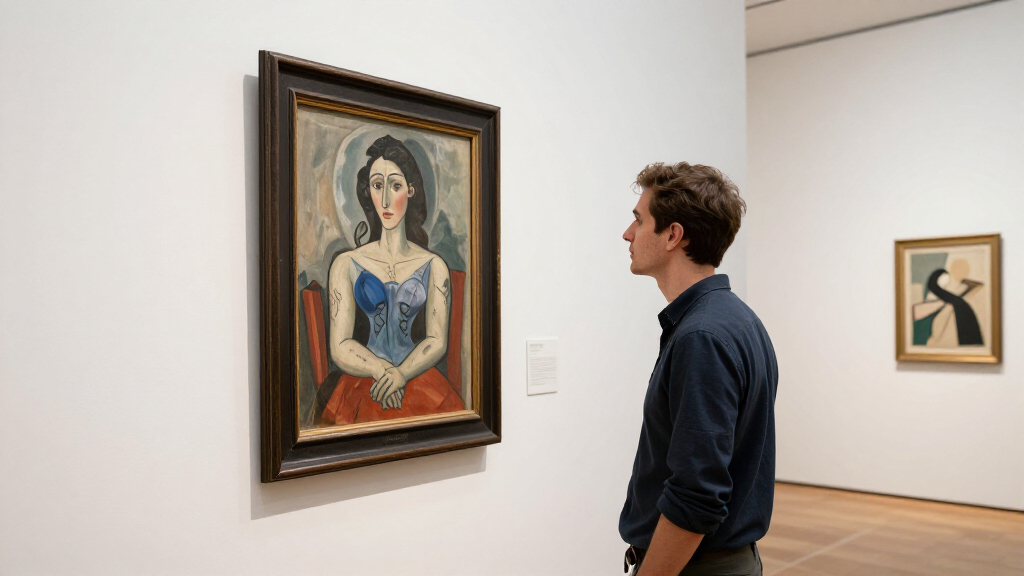
The Guggenheim Museum filed a legal claim earlier this month demanding the return of a Picasso painting believed to have been illicitly acquired or looted during wartime. The artwork, titled Les Demoiselles d’Avignon, has been in the private collection of a European collector for several years. Learn more about Picasso’s lost works. The museum asserts that the piece was originally part of its collection before being transferred under unclear circumstances.
According to sources familiar with the case, the museum’s legal team has based its claim on provenance research indicating the artwork’s possible illicit transfer during World War II, though the collector denies any wrongdoing. The case is now in the preliminary stages of legal proceedings, with both sides preparing for potential hearings. For related art restitution cases, see this article.
Legal and Cultural Implications of Picasso Restitution
This case underscores the ongoing efforts by museums and institutions worldwide to recover artworks with disputed provenance, especially those looted or acquired under dubious circumstances during wartime. It also raises questions about the responsibility of private collectors in verifying the origins of art pieces. The outcome could influence future restitution cases and set legal precedents for handling disputed artworks.
For the public and the art community, the case highlights the importance of provenance research and ethical stewardship of cultural heritage. It also reflects broader debates over restitution, ownership rights, and the legacy of wartime looting.
As an affiliate, we earn on qualifying purchases.
Background on Art Provenance and Restitution Efforts
The Guggenheim Museum has a history of advocating for the return of artworks with questionable provenance, particularly those looted or acquired during the Nazi era. Over the past decade, several high-profile restitution cases have brought attention to the importance of verifying ownership histories. The case involving this Picasso painting is part of a broader movement to address unresolved claims and restore artworks to rightful owners or their heirs.
Historically, artworks looted during World War II have been subject to complex legal and ethical disputes, with many cases still unresolved. The museum’s current action reflects an increased focus on transparency and accountability in art collections.
“We are committed to ensuring that our collection reflects ethical standards and proper ownership. We believe this Picasso was acquired under circumstances that warrant its return.”
— Guggenheim Museum spokesperson
As an affiliate, we earn on qualifying purchases.
Unresolved Questions About Picasso Artwork Ownership
It is not yet clear whether the provenance research conclusively proves illicit transfer or looting. The case is still in the early stages of legal review, and the outcome remains uncertain. Further evidence and court decisions will determine whether the artwork will be returned or remain in private hands.

Art: The Definitive Visual Guide (DK Definitive Cultural Histories)
As an affiliate, we earn on qualifying purchases.
As an affiliate, we earn on qualifying purchases.
Next Steps in the Legal and Restitution Process
The case is expected to proceed to court hearings over the coming months. Both parties will present their evidence regarding the provenance and ownership history of the Picasso painting. The court’s decision could set a precedent for similar restitution cases and influence future museum policies on provenance verification.
As an affiliate, we earn on qualifying purchases.
Key Questions
Why does the Guggenheim want this Picasso back?
The Guggenheim claims the painting was acquired under circumstances that suggest it was looted or illicitly transferred, and seeks its return to address provenance concerns and uphold ethical standards.
What is the basis for the museum’s claim?
The museum’s claim is based on provenance research indicating possible illicit transfer during World War II, though the collector denies any wrongdoing.
Could the artwork be returned to the museum?
Yes, if the court finds the provenance evidence credible and confirms the artwork was illicitly acquired, it could be returned to the Guggenheim.
What happens if the court rules against the museum?
If the court rules in favor of the collector, the artwork will remain in private ownership, and the museum’s claim will be dismissed.
How common are restitution cases like this?
Restitution cases involving artworks looted during wartime are increasingly common, with many institutions actively seeking the return of disputed pieces.
Source: rss