
TL;DR
AI-generated art is influencing contemporary aesthetic standards, prompting debates over originality and creativity. Experts see it as a significant shift in digital culture, with ongoing discussions about its implications.
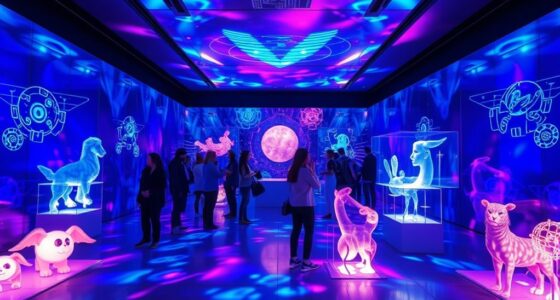
AI-generated art is increasingly defining new aesthetic standards across digital platforms, marking a significant shift in how art and creativity are understood in the digital age. This development is drawing attention from artists, technologists, and cultural critics, as AI tools become more sophisticated and accessible.
Over the past year, AI art models such as DALL·E, Midjourney, and Stable Diffusion have gained prominence, producing images that challenge traditional notions of originality. These tools enable users to generate complex, visually appealing artworks with minimal technical skill, democratizing creation but also sparking debates about authenticity.
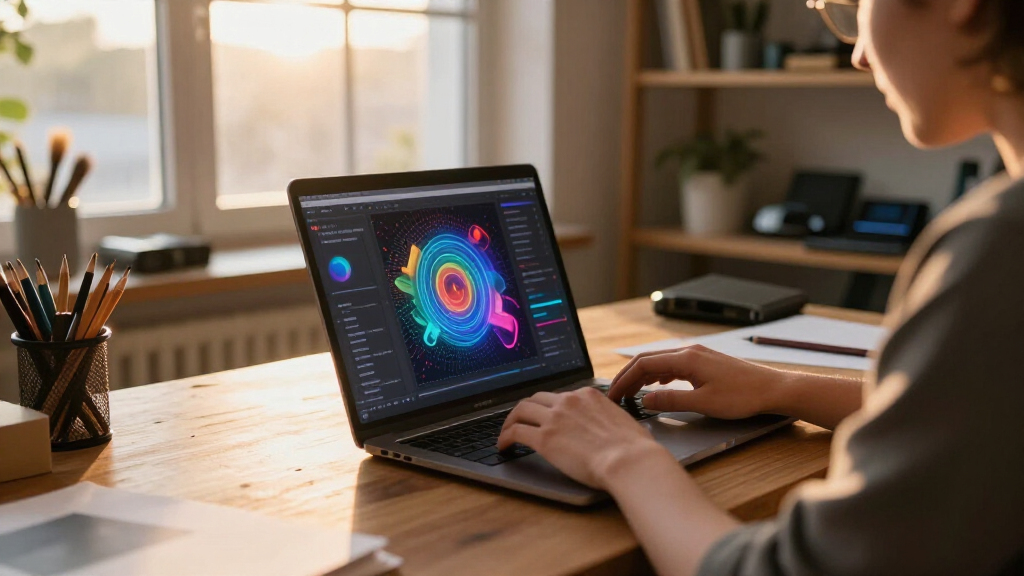
Several artists and digital creators have adopted AI tools to craft new aesthetic styles, often blending human input with machine-generated elements. Some critics argue that this represents a fundamental evolution in artistic practice, while others raise concerns about the potential devaluation of human craftsmanship.
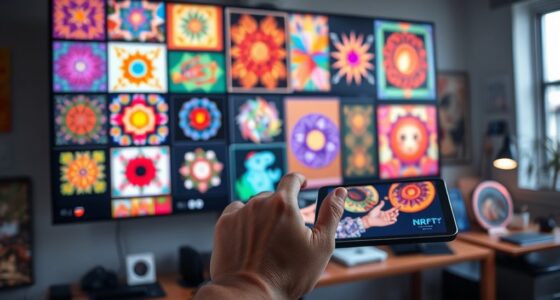
Industry experts note that social media platforms have amplified AI art’s visibility, with many pieces going viral and influencing mainstream design, fashion, and advertising. However, there is no consensus on whether AI art should be classified as original or derivative, leading to ongoing legal and ethical discussions.
Implications of AI-Driven Aesthetic Shifts in Digital Culture
The rise of the AI aesthetic signifies a transformative moment in digital culture, impacting how art is created, consumed, and valued. As AI tools become more embedded in creative workflows, traditional notions of originality and authorship are being challenged, prompting legal, ethical, and philosophical debates.
This shift could democratize art production, allowing more individuals to participate in creative expression. Conversely, it raises concerns about intellectual property rights and the potential for homogenization of visual styles, which may affect artistic diversity.
For consumers and industry stakeholders, understanding these changes is crucial, as AI-generated content increasingly influences marketing, entertainment, and cultural discourse.

AI Image Generator Prompt Mastery: Step-by-Step Techniques for Crafting Better Prompts, Controlling Results, and Producing High-Quality Visuals
As an affiliate, we earn on qualifying purchases.
As an affiliate, we earn on qualifying purchases.
Evolution of AI Art and Its Growing Cultural Presence
AI-generated art has been developing rapidly since the release of early models in 2020. Platforms like DALL·E and Midjourney have popularized AI image synthesis, leading to a surge in both amateur and professional use. This period has seen a proliferation of AI art in social media, exhibitions, and commercial projects.
Historically, debates around machine-made art date back decades, but recent advances in deep learning and neural networks have dramatically increased the quality and realism of AI images. This has fueled both excitement and skepticism within the art community.
Legal frameworks and copyright laws are still catching up with these technological advances, creating uncertainty about ownership and rights over AI-generated works. Meanwhile, cultural critics are examining how AI influences aesthetic standards and notions of creativity.
“AI is not just a tool but a collaborator in shaping new aesthetic paradigms that challenge our traditional understanding of art.”
— Dr. Lisa Chen, Digital Art Researcher

HUION Artist Drawing Glove, One Size, Left or Right Hand
- Universal Fit: One size fits both hands
- Anti-fouling Design: Reduces smudges on tablets
- Comfortable Material: Soft Lycra and Nylon for flexibility
As an affiliate, we earn on qualifying purchases.
As an affiliate, we earn on qualifying purchases.
Legal and Ethical Uncertainties Surrounding AI Art
It remains unclear how copyright laws will evolve to address AI-generated art, especially regarding authorship and intellectual property rights. Legal experts and policymakers are still debating how existing frameworks apply, and there is no consensus on whether AI works should be protected or considered derivative.
Additionally, ethical questions about originality, authenticity, and the potential for AI to replicate or plagiarize existing works are unresolved. The art community continues to grapple with defining what constitutes genuine creativity in an era of machine assistance.
As an affiliate, we earn on qualifying purchases.
Emerging Policies and Industry Responses to AI Aesthetic Trends
Legal reforms and industry standards are expected to develop over the next year to better regulate AI-generated content. Tech companies and creative organizations are likely to establish guidelines on attribution, copyright, and ethical use of AI tools.
Meanwhile, artists and creators will continue experimenting with AI, potentially leading to new aesthetic movements and hybrid art forms. Monitoring how these developments influence cultural norms and legal frameworks will be essential.
As an affiliate, we earn on qualifying purchases.
Key Questions
Can AI-generated art be considered original?
There is ongoing debate about whether AI art qualifies as original, with opinions divided among artists, critics, and legal experts. Currently, it depends on how the work is created and the level of human input involved.
Who owns AI-generated artwork?
Ownership rights are unclear, as current legal frameworks do not fully address AI-created works. Typically, rights depend on the human creator’s input and the terms of service of the AI platform used.
Will AI replace human artists?
Most experts agree AI is more likely to augment rather than replace human artists, providing new tools for creative expression while raising questions about originality and authenticity.
How is the art community responding to AI aesthetics?
Reactions vary; some embrace AI as a new artistic medium, while others express concern over its impact on traditional craftsmanship and artistic value. Discussions about ethics and legality are ongoing.
Source: hn