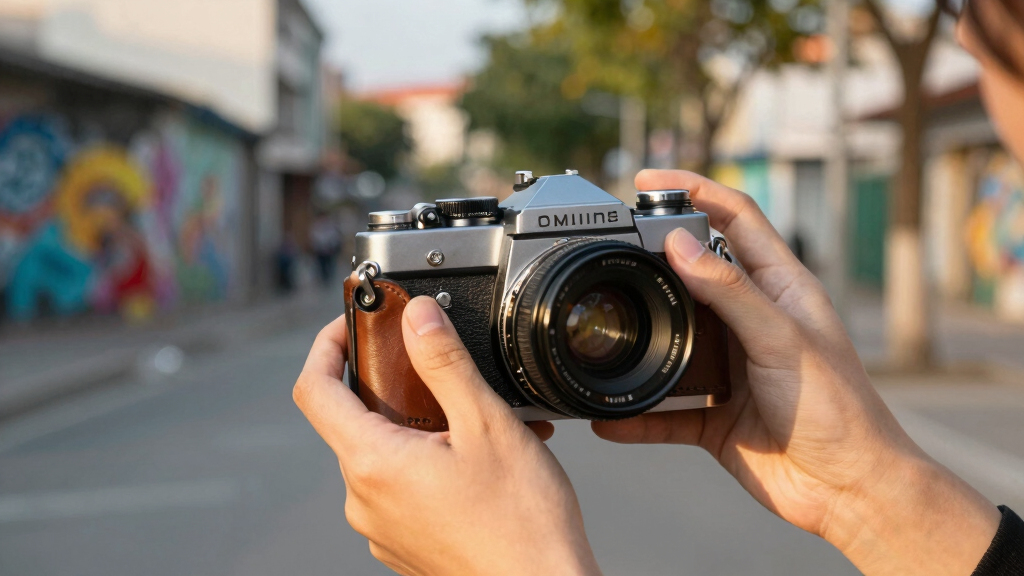

The search for the best 35mm film cameras in 2026 involves balancing classic appeal, user-friendliness, and affordability. The Canon A-1 stands out as the best overall choice thanks to its versatile features and reliability. For those interested in vintage charm, the Canon AE-1 remains a popular, easy-to-use option. Budget-conscious photographers might lean toward more affordable or bundle options like the Kodak EKTAR H35. Each model offers different tradeoffs between modern features, vintage mechanics, and price. Keep reading for a detailed breakdown to help you find the perfect fit for your photography style.
Key Takeaways
- The Canon A-1 offers the most comprehensive features, making it the best overall choice for versatile shooting.
- Vintage models like the Canon AE-1 excel in simplicity and affordability, ideal for beginners or nostalgic shooters.
- Half-frame cameras like the Kodak EKTAR H35 provide unique framing options, though with some limitations in film capacity.
- High-end options such as the Nikon F6 deliver professional-grade performance but come with a higher price tag.
- Bundled kits and renewed models balance cost and functionality, appealing to budget-conscious enthusiasts without sacrificing quality.
| Canon A-1 35MM SLR Film Camera with 50mm 1.8 Lens (Renewed) |  | Best Overall for Versatile Shooting | Shutter Speed Range: 1/1000 to 2 seconds | Lens Mount: Canon FD | Included Lens: 50mm 1.8 | VIEW LATEST PRICE | See Our Full Breakdown |
| Vintage Canon AE-1 35mm SLR Camera with 50mm 1:1.8 Lens (Renewed) |  | Best for Manual Control and Durability | Shutter Speed: 1/1000 to 2 seconds | Lens: 50mm 1:1.8 | Metering: TTL | VIEW LATEST PRICE | See Our Full Breakdown |
| Canon EOS Rebel 2000 35mm Film SLR Camera Kit with 28-80mm Lens |  | Best for Beginners and Versatile Shooting | Type: 35mm film SLR | Autofocus: Yes | Manual controls: Yes | VIEW LATEST PRICE | See Our Full Breakdown |
| Nikon F3HP Camera Body |  | Best for Professional-Grade Durability | VIEW LATEST PRICE | See Our Full Breakdown | |||
| Kodak EKTAR H35 Half Frame Film Camera (Sage, Bundle with 24 Exposure Film) |  | Best for Beginners and Compact Portability | Film Type: Ultramax 400 | Film Exposures: 24 exposures (double for half-frame) | Built-in Flash: Yes | VIEW LATEST PRICE | See Our Full Breakdown |
| Nikon F6 AF 35mm Film SLR Camera (Body Only) |  | Best Overall for Professional and Enthusiast Shooters | Type of Camera: Integral motor autofocus 35mm SLR | Exposure Modes: Programmed Auto, Flexible Program, Shutter priority, Aperture Priority, Manual | Picture Format: 24mm x 36mm (standard 35mm film) | VIEW LATEST PRICE | See Our Full Breakdown |
| Canon EOS Kiss / Rebel G 35mm Film Camera with 35-80mm EF Lens (Renewed) |  | Best for Beginners and Easy Handling | Model: EOS Kiss / Rebel G | Type: 35mm SLR Film Camera | Lens: 35-80mm EF Lens | VIEW LATEST PRICE | See Our Full Breakdown |
| Kodak EKTAR H35N Half Frame Film Camera Bundle with Ultramax 400/24EXP 35mm Film |  | Best for Creative Experimentation in Compact Form | Film Type: 35mm | Film Speed: ISO 400 | Film Length: 24 exposures | VIEW LATEST PRICE | See Our Full Breakdown |
| KODAK Snapic A1 35mm Film Camera, Ivory White |  | Best for Compact and Easy-to-Use Everyday Photography | Lens: 3-element glass | Focus: 2-zone focus | Flash: Built-in auto flash with red-eye reduction | VIEW LATEST PRICE | See Our Full Breakdown |
| 35mm film camera | Lens |
|---|---|
| Canon A-1 35MM SLR Film Camera | — |
| Vintage Canon AE-1 35mm SLR Ca | 50mm 1:1.8 |
| Canon EOS Rebel 2000 35mm Film | 28-80mm zoom |
| Nikon F3HP Camera Body | — |
| Kodak EKTAR H35 Half Frame Fil | — |
| Nikon F6 AF 35mm Film SLR Came | — |
| Canon EOS Kiss / Rebel G 35mm | 35-80mm EF Lens |
| Kodak EKTAR H35N Half Frame Fi | Coated glass lens |
| KODAK Snapic A1 35mm Film Came | 3-element glass |
More Details on Our Top Picks
Canon A-1 35MM SLR Film Camera with 50mm 1.8 Lens (Renewed)
The Canon A-1 stands out as a highly adaptable film camera with its fully automatic program mode, making it ideal for those who want the flexibility of both manual and automatic shooting. Compared to the Canon AE-1, it offers more advanced automation, appealing to users seeking ease of use without sacrificing versatility. However, its reliance on manual film handling and the absence of digital features means it’s better suited for traditionalists rather than modern digital enthusiasts. The compatibility with Canon FD lenses provides a broad creative palette, but the older technology may lack the convenience of modern digital controls.
Pros:- Fully automatic program mode simplifies shooting for beginners
- Compatible with a wide range of Canon FD lenses for creative flexibility
- Influential legacy model with a strong user community
Cons:- Requires manual film purchase and handling, which can be less convenient
- Lacks modern digital features and electronic assistance
Best for: Beginners and enthusiasts who want a reliable, versatile film camera that balances automation with manual controls
Not ideal for: Digital photographers or users seeking electronic exposure controls and modern features
- Shutter Speed Range:1/1000 to 2 seconds
- Lens Mount:Canon FD
- Included Lens:50mm 1.8
Our verdict“This camera is perfect for those who want a dependable classic with flexible shooting modes for everyday film photography.”
Vintage Canon AE-1 35mm SLR Camera with 50mm 1:1.8 Lens (Renewed)
The Canon AE-1 offers a classic, durable metal body combined with TTL metering and a versatile shutter speed range, making it a solid choice for photographers who enjoy manual settings. Compared to the Canon A-1, it provides more manual control options, appealing to users who want to fine-tune exposure settings. While it excels in durability and reliability, it requires a good understanding of manual camera functions, which might be a barrier for absolute beginners. Its all-metal construction ensures longevity, but it lacks the automation and digital convenience found in newer models.
Pros:- Versatile shutter speed options support creative exposure control
- TTL metering ensures accurate, well-exposed images
- Interchangeable lenses expand photographic possibilities
Cons:- Requires knowledge of manual camera functions and settings
- Limited modern features, no digital integration
Best for: Experienced film shooters who want a robust, fully manual camera with classic design
Not ideal for: Beginners seeking automated features or digital interface options
- Shutter Speed:1/1000 to 2 seconds
- Lens:50mm 1:1.8
- Metering:TTL
- Compatibility:Canon FD lenses
- Body Material:Metal
Our verdict“Ideal for seasoned film photographers who prioritize durability and manual control over automation.”
Canon EOS Rebel 2000 35mm Film SLR Camera Kit with 28-80mm Lens
The Canon EOS Rebel 2000 combines modern autofocus with full manual controls, making it a versatile choice for those new to film photography but eager to learn. Compared to the Nikon F3HP, it offers more user-friendly features like autofocus and an included zoom lens, making it more accessible for amateurs. However, it remains a film camera, so it lacks the instant feedback of digital models and requires film purchase and processing. Its built-in flash and 7-point autofocus system support a wide range of shooting scenarios, but the reliance on film still introduces some logistical inconveniences.
Pros:- Versatile 28-80mm zoom lens covers common focal lengths
- Full manual controls support creative experimentation
- Built-in flash enhances low-light shooting
Cons:- Requires film purchase and processing, adding time and cost
- No digital display or LCD interface for quick adjustments
Best for: Beginners looking for an easy-to-use, feature-rich film camera with autofocus
Not ideal for: Advanced photographers wanting full manual control without autofocus or digital features
- Type:35mm film SLR
- Autofocus:Yes
- Manual controls:Yes
- Lens:28-80mm zoom
- Flash:Built-in retractable
- Autofocus points:7-point
Our verdict“A great entry-level film SLR that balances ease of use with creative control for new film photographers.”
Nikon F3HP Camera Body
The Nikon F3HP is a legend among professional-grade film cameras, known for its rugged build and high reliability. Its high eyepoint finder makes it comfortable for eyeglass wearers, and its shutter mechanism is renowned for longevity. Compared with the Canon AE-1, the F3HP offers greater durability and a more refined design tailored for serious shooters. While it excels in construction and shutter reliability, it lacks digital features and detailed specs might seem sparse for casual users. It’s best suited for those who demand longevity and dependability in demanding conditions.
Pros:- Rugged, high-quality construction for demanding environments
- High eyepoint finder for comfortable use with glasses
- Reputation for long-lasting shutters and reliability
Cons:- Limited information on advanced features or electronics
- No digital features or LCD screens
Best for: Professional or dedicated enthusiasts seeking a highly durable, long-lasting film camera
Not ideal for: Casual photographers or those preferring built-in automation and digital integrations
Our verdict“Best suited for experienced photographers who prioritize durability and long-term dependability over modern digital features.”
Kodak EKTAR H35 Half Frame Film Camera (Sage, Bundle with 24 Exposure Film)
The Kodak EKTAR H35 offers a simple, compact design perfect for casual shooters and those new to film photography. Its half-frame format doubles the number of exposures per roll compared to standard 35mm, making it economical in terms of film use. In comparison to the Canon A-1, it’s much simpler and less feature-rich, but that’s part of its appeal for beginners. While its lightweight and ease of operation make it ideal for everyday photography, the lack of advanced controls and the need for separate batteries are notable limitations. It’s best for those who want quick, fun shots without fussing over settings.
Pros:- Compact and lightweight for portability
- Allows twice as many exposures per roll, saving film and money
- Easy to operate, ideal for casual photography
Cons:- Battery not included, which can be inconvenient
- Limited to 24 exposures per roll, with no advanced controls
Best for: Hobbyists and beginners seeking a lightweight, easy-to-use camera with a fun, economical format
Not ideal for: Serious photographers or those looking for manual control and high image quality
- Film Type:Ultramax 400
- Film Exposures:24 exposures (double for half-frame)
- Built-in Flash:Yes
- Battery Included:No
Our verdict“A perfect choice for beginners and casual shooters who want a simple, portable camera and more photos per roll.”
Nikon F6 AF 35mm Film SLR Camera (Body Only)
The Nikon F6 stands out as the most refined option in this lineup, offering a sophisticated autofocus system and extensive exposure modes that appeal to serious shooters. Compared with the Canon EOS Kiss / Rebel G, the F6’s manual controls and multiple exposure options provide greater flexibility for creative experimentation. However, its reliance on specific batteries and the need to purchase additional lenses make it a less accessible choice for casual users. The F6’s durable build and advanced viewfinder make it ideal for those who want a dependable, high-end film camera capable of handling diverse shooting scenarios.
Pros:- High-quality autofocus system for precise focusing
- Multiple exposure modes for versatile shooting
- Built-in diopter adjustment for clear viewfinder experience
Cons:- Requires specific batteries or power packs, adding to operational complexity
- Body-only design necessitates additional lenses and accessories
Best for: Professional photographers or dedicated enthusiasts seeking maximum control and durability in film photography
Not ideal for: Casual shooters or beginners who prefer lightweight, simple cameras without complex battery requirements
- Type of Camera:Integral motor autofocus 35mm SLR
- Exposure Modes:Programmed Auto, Flexible Program, Shutter priority, Aperture Priority, Manual
- Picture Format:24mm x 36mm (standard 35mm film)
- Viewfinder:Fixed eyelevel pentaprism with diopter adjustment (-2 to +1m-1)
- Eyepoint:18mm at -10m-1
- Power Source:Battery Holder MS-41 (two 3V Lithium batteries), optional Multi Power Battery Pack MB-40, AA battery holder MS-40
Our verdict“This camera is perfect for experienced photographers who want professional-grade features and durability.”
Canon EOS Kiss / Rebel G 35mm Film Camera with 35-80mm EF Lens (Renewed)
The Canon EOS Kiss (Rebel G) offers a user-friendly experience with reliable autofocus and versatile shooting modes, making it a strong choice for newcomers to film photography. Its autofocus system and LCD display provide a level of ease that the Nikon F6 lacks, though it doesn’t match the manual control and build quality of higher-end models. Compared to the Nikon F6, the Rebel G is more accessible and portable, but it doesn’t offer the same level of creative control or durability for professional use. This camera fits well for those starting out or anyone wanting dependable, straightforward film shooting with modern ergonomics.
Pros:- Reliable autofocus system for sharp images
- User-friendly controls and LCD display
- Versatile shooting modes including auto and manual
Cons:- Requires additional film and processing expenses
- Limited to 35mm film format with no digital features
Best for: Beginners or hobbyists seeking an easy-to-use, reliable 35mm film camera
Not ideal for: Advanced shooters wanting manual focus and extensive control, as the Rebel G is more simplified
- Model:EOS Kiss / Rebel G
- Type:35mm SLR Film Camera
- Lens:35-80mm EF Lens
- Autofocus:Yes
- Built-In Flash:Yes
- Shooting Modes:Auto, Program, Aperture Priority, Shutter Priority
Our verdict“This camera makes the most sense for newcomers or casual photographers looking for dependable autofocus and straightforward operation.”
Kodak EKTAR H35N Half Frame Film Camera Bundle with Ultramax 400/24EXP 35mm Film
The Kodak EKTAR H35N offers a unique half-frame experience, allowing twice as many shots per roll—ideal for those wanting to maximize film usage. Its built-in star filter and bulb mode encourage creative effects that larger 35mm cameras can’t easily achieve. Compared to the KODAK Snapic A1, the H35N’s manual features and film format give a more traditional shooting experience, though the smaller frame size reduces individual photo detail. Perfect for budget-conscious shooters or those eager to explore creative techniques with film, but limited exposure count and accessory needs might be downsides for some.
Pros:- Includes a bundle of film ready to use
- Built-in star filter for creative effects
- Long exposure capability with bulb mode
Cons:- Accessories like batteries and tripod not included, adding extra steps
- Smaller half-frame format reduces image size and detail
Best for: Creative hobbyists interested in experimental photography and maximizing film shots
Not ideal for: Serious professionals or those needing high-resolution images, due to the smaller half-frame format
- Film Type:35mm
- Film Speed:ISO 400
- Film Length:24 exposures
- Lens:Coated glass lens
- Features:Star filter, Bulb function, Tripod mount
Our verdict“This camera is best for experimental shooters wanting to stretch their film dollars and explore artistic effects.”
KODAK Snapic A1 35mm Film Camera, Ivory White
The KODAK Snapic A1 emphasizes portability with a lightweight, compact design, making it suitable for casual outings and everyday snapshots. Its 3-element glass lens and 2-zone focus provide decent image quality and focus control, while the built-in auto flash with red-eye reduction simplifies low-light shooting. Compared to the Kodak EKTAR H35N, the Snapic A1 is more portable and easier to carry around, though it sacrifices some creative options like long exposure modes. This camera appeals most to those who want quick, reliable snapshots without fuss, but it’s less suited for serious film shooters seeking more manual control or larger formats.
Pros:- Compact and lightweight for portability
- Versatile focusing with 2-zone focus
- Built-in auto flash with red-eye reduction
Cons:- Film and AAA batteries are not included, requiring separate purchase
- Limited to standard 35mm film and no digital features
Best for: Casual users and travelers wanting a simple, portable film camera with basic features
Not ideal for: Enthusiasts or professionals seeking manual controls, high-quality images, or advanced features
- Lens:3-element glass
- Focus:2-zone focus
- Flash:Built-in auto flash with red-eye reduction
- Features:Multiple exposure
- Film Type:35mm
Our verdict“This camera is ideal for casual photographers who want an easy, portable film camera for everyday moments.”
How We Picked
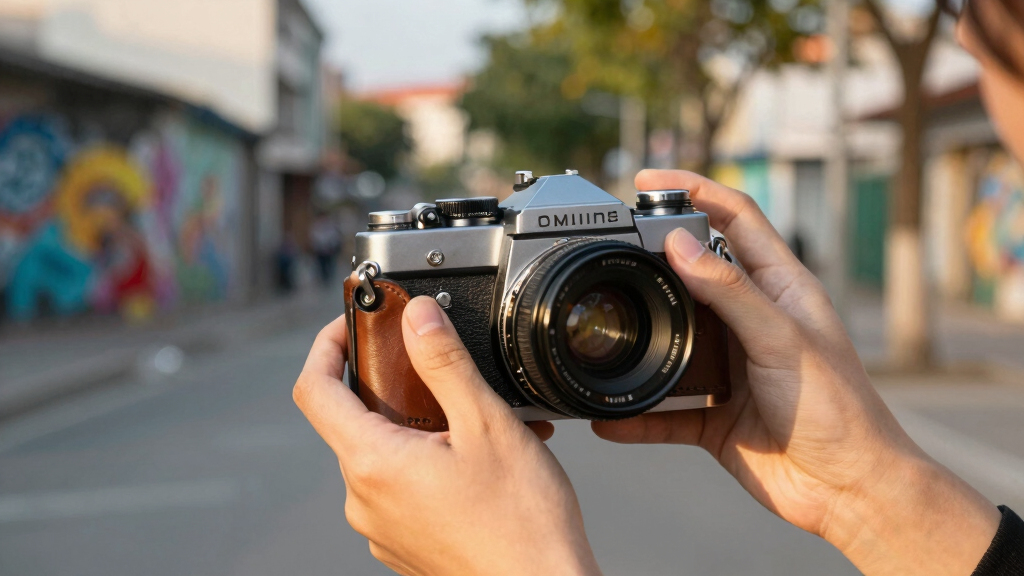
To select these 9 cameras, I focused on key factors that impact real-world shooting experiences, including build quality, ease of use, film handling, and value. Preference was given to models with proven reliability, versatile features, and good availability of accessories or film. I also considered user reviews and historical reputation, especially for vintage and semi-automatic cameras. The ranking reflects a balance between advanced features and accessibility, ensuring options for both beginners and experienced shooters. Ultimately, these picks represent the best combination of performance, durability, and affordability in the 35mm film camera market today.Factors to Consider When Choosing Best 35mm Film Cameras
Choosing the best 35mm film camera involves understanding several key factors that influence how you’ll shoot and enjoy film photography. Beyond just brand names or aesthetics, you need to consider usability, film format, and maintenance. Making informed decisions can help avoid common pitfalls like buying a camera with outdated parts or lacking support. Here are the main factors to keep in mind when selecting your ideal 35mm film camera.Type of Camera and Manual vs. Auto Features
Deciding between an SLR, rangefinder, or compact camera impacts your shooting style and ease of use. Manual cameras offer full control over focus and exposure, which is great for learning and creative flexibility. Auto or semi-automatic models reduce complexity, making them suitable for quick shooting or beginners. Understanding your comfort level with manual controls can help narrow your options and avoid frustration or limitations in certain shooting scenarios.
Build Quality and Durability
Look for cameras with a sturdy metal body if you plan to shoot outdoors or carry your camera frequently. Vintage models may require checking for smooth shutter operation and clean viewfinders, as aging parts can affect performance. Modern reconditioned cameras often include repairs or replacements that enhance longevity. A durable camera reduces maintenance costs and ensures your camera can handle regular use without breakdowns.
Lens Compatibility and Versatility
The lens system influences your creative options and how much you’ll spend over time. Some cameras come with versatile zoom lenses, while others support only prime lenses. Consider whether you want a camera that can grow with your kit or one optimized for a specific type of photography. Compatibility with widely available lenses can also affect future upgrade paths and overall value.
Film Format and Loading Ease
Most 35mm cameras use standard film, but some half-frame models like the Kodak EKTAR offer different framing options, which can be appealing for certain projects. Ease of film loading and winding is crucial, especially for beginners or casual shooters. Cameras with automatic film advancement reduce the chance of film jams and ensure smoother shooting sessions, saving time and frustration.
Price and Ecosystem Support
Budget considerations are key—vintage and refurbished models often provide excellent value but may require repairs or maintenance. Higher-end models deliver advanced features like interchangeable lenses and electronic exposure control but come at a premium. Assess the availability of repair services, accessories, and film stock to avoid future headaches. Investing in a well-supported model can extend your enjoyment and ease of use over time.
Frequently Asked Questions
Are vintage 35mm cameras still reliable today?
Many vintage 35mm cameras remain reliable if properly maintained or restored. Key components like shutters and light seals may need replacement, but reputable repair specialists can handle this. Vintage cameras often have a mechanical simplicity that makes them durable, but it’s wise to check for smooth operation before purchase. Buying from trusted sources or opting for refurbished models can reduce the risk of unexpected breakdowns and ensure lasting performance.
Is it worth investing in a fully automatic 35mm camera?
Automatic 35mm cameras are ideal for those who prioritize ease of use and quick shooting. They eliminate the need for manual focus and exposure settings, allowing you to concentrate on composition and spontaneity. However, they may lack the creative control that manual cameras offer, which can be limiting as your skills develop. For beginners or casual shooters, automatic models provide a straightforward entry point, but serious enthusiasts may prefer manual or semi-automatic options for more artistic control.
What should I look for in a beginner-friendly 35mm camera?
Beginners should prioritize cameras that are simple to operate, lightweight, and reliable. Cameras with bright viewfinders, clear instructions, and minimal moving parts tend to be less intimidating. Models like the Canon AE-1 or Nikon F3HP are excellent choices because they combine ease of use with durability. Avoid overly complex or fragile cameras, and consider starting with a bundle that includes film and accessories to get going quickly and confidently.
How does film format impact my shooting experience?
The standard 35mm film format offers a good balance between image quality and film capacity, making it versatile for most shooting styles. Half-frame cameras, like some Kodak models, double the number of exposures per roll, which is cost-effective but results in smaller images. Larger formats or specialty films may require different equipment or handling. Choosing the right film format depends on your project goals, budget, and willingness to experiment with different techniques.
Should I buy a new or a vintage camera?
Newer models or refurbished vintage cameras often come with warranties and support, reducing the risk of malfunctions. Vintage cameras can be more affordable and offer a unique, tactile shooting experience that many photographers cherish. However, they may require repairs or replacement parts, which can add to the initial cost. Weigh your desire for authenticity and mechanical control against the convenience and reliability of modern or restored options to make the best choice.
Conclusion
For those seeking the best overall experience, the Canon A-1 offers a powerful combination of features and reliability. Beginners or casual shooters will find the Canon AE-1 a straightforward and affordable choice, while the Nikon F6 caters to professionals demanding top-tier performance. Budget-conscious buyers should consider bundled or vintage options like the Kodak EKTAR H35, which deliver value without sacrificing quality. Ultimately, your ideal camera depends on your skill level, budget, and creative goals—this roundup provides a balanced selection to match each type of photographer.