The best art books balance the images you want to spend time with and the context that helps you understand them. I’d make Art: The Definitive Visual Guide my best overall pick for its broad, visual survey, while Art, Annotated stands out for readers who want concise explanations of individual paintings and MoMA Now for a museum-centered view of modern art. The main tradeoff is breadth versus depth: a sweeping survey offers range, while a focused artist or museum book gives more room to explore a narrower subject. Format, image scale, and how much text accompanies the art also shape whether a book works best for browsing, learning, or collecting. Read on for the full breakdown and help matching a book to your interests.

Get art and craft supplies delivered free with Prime
- Fast, free delivery on millions of items
- Prime Video, Amazon Music and more included
- Member-only deals all year
Key Takeaways
- Art: The Definitive Visual Guide is the broadest starting point in this lineup; specialist books trade that range for more detail on one artist, period, or collection.
- Art, Annotated and Great Art Explained put interpretation at the center, while large painting collections focus more on seeing many works together.
- Museum titles such as MoMA Now, The Metropolitan Museum of Art: Masterpiece Paintings, and Louvre: All the Paintings make most sense for readers drawn to a particular institution’s collection.
- The two Van Gogh books serve different purposes: Van Gogh (Basic Art Series 2.0) offers a more approachable entry point, while Van Gogh: The Complete Paintings is the more expansive choice for a dedicated admirer.
- The lineup spans more than canonical painting: Banksy and Jean-Michel Basquiat (45th Edition) suit readers seeking modern and contemporary artist-focused books.
| The Work of Art: How Something Comes from Nothing |  | Best for Understanding the Creative Process | VIEW LATEST PRICE | See Our Full Breakdown | |||
| Van Gogh (Basic Art Series 2.0) |  | Best Compact Van Gogh Introduction | VIEW LATEST PRICE | See Our Full Breakdown | |||
| Art, Annotated: The World’s 500 Greatest Paintings Explained |  | Best for Learning to Read Paintings | VIEW LATEST PRICE | See Our Full Breakdown | |||
| MoMA Now: Highlights from The Museum of Modern Art, New York | 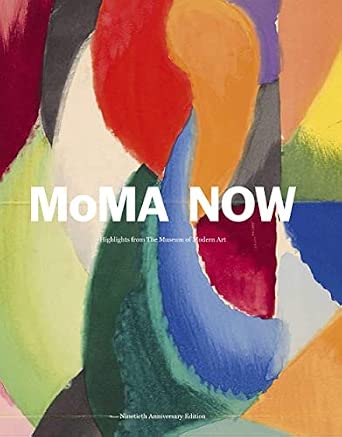 | Best for Modern Art Collection Highlights | VIEW LATEST PRICE | See Our Full Breakdown | |||
| Van Gogh: The Complete Paintings (Bibliotheca Universalis) |  | Best for Broad Van Gogh Painting Coverage | VIEW LATEST PRICE | See Our Full Breakdown | |||
| The Metropolitan Museum of Art: Masterpiece Paintings |  | Best Museum Collection Focus | Title: The Metropolitan Museum of Art: Masterpiece Paintings | ASIN: 0847846598 | Subject: Masterpiece paintings at The Metropolitan Museum of Art | VIEW LATEST PRICE | See Our Full Breakdown |
| What Great Paintings Say: Masterpieces in Detail (Bibliotheca Universalis) |  | Best for Close Looking | Title: What Great Paintings Say: Masterpieces in Detail | ASIN: 3836559269 | Series: Bibliotheca Universalis | VIEW LATEST PRICE | See Our Full Breakdown |
| Artists Who Changed History |  | Best for Artist-and-History Context | Title: Artists Who Changed History | ASIN: B0CTM9BD83 | Series: DK History Changers | VIEW LATEST PRICE | See Our Full Breakdown |
| Art: The Definitive Visual Guide |  | Best Broad Visual Survey | Title: Art: The Definitive Visual Guide | ASIN: 1465474757 | Series: DK Definitive Cultural Histories | VIEW LATEST PRICE | See Our Full Breakdown |
| Banksy |  | Best for Street-Art Fans | Title: Banksy | ASIN: 0847872769 | Subject: Banksy | VIEW LATEST PRICE | See Our Full Breakdown |
| Louvre: All the Paintings |  | Best for Museum-Scale Browsing | Title: Louvre: All the Paintings | ASIN: 1579128866 | Subject: Paintings | VIEW LATEST PRICE | See Our Full Breakdown |
| Jean-Michel Basquiat (45th Edition) |  | Best for Basquiat Specialists | Title: Jean-Michel Basquiat | Edition: 45th Edition | ASIN: 3836580926 | VIEW LATEST PRICE | See Our Full Breakdown |
| Monet: The Triumph of Impressionism (Bibliotheca Universalis) |  | Best for Impressionism Readers | Title: Monet: The Triumph of Impressionism | Series: Bibliotheca Universalis | Subject: Claude Monet | VIEW LATEST PRICE | See Our Full Breakdown |
| Great Art Explained: The Stories Behind the World’s Greatest Masterpieces |  | Best for Story-Led Art Appreciation | Title: Great Art Explained: The Stories Behind the World’s Greatest Masterpieces | ASIN: 0500025959 | Subject: Stories behind major artworks | VIEW LATEST PRICE | See Our Full Breakdown |
| art book | Title | ASIN | Subject |
|---|---|---|---|
| The Work of Art: How Something | — | — | — |
| Van Gogh | — | — | — |
| Art | — | — | — |
| MoMA Now: Highlights from The | — | — | — |
| Van Gogh: The Complete Paintin | — | — | — |
| The Metropolitan Museum of Art | The Metropolitan Museum of Art: Masterpiece Paintings | 0847846598 | Masterpiece paintings at The Metropolitan Museum of Art |
| What Great Paintings Say: Mast | What Great Paintings Say: Masterpieces in Detail | 3836559269 | Great paintings |
| Artists Who Changed History | Artists Who Changed History | B0CTM9BD83 | Artists |
| Art: The Definitive Visual Gui | Art: The Definitive Visual Guide | 1465474757 | Art |
| Banksy | Banksy | 0847872769 | Banksy |
| Louvre: All the Paintings | Louvre: All the Paintings | 1579128866 | Paintings |
| Jean-Michel Basquiat | Jean-Michel Basquiat | 3836580926 | Jean-Michel Basquiat |
| Monet: The Triumph of Impressi | Monet: The Triumph of Impressionism | 3836551012 | Claude Monet |
| Great Art Explained: The Stori | Great Art Explained: The Stories Behind the World’s Greatest Masterpieces | 0500025959 | Stories behind major artworks |
More Details on Our Top Picks
The Work of Art: How Something Comes from Nothing
The Work of Art: How Something Comes from Nothing takes a different route from image-led surveys such as Art, Annotated: it focuses on how creative work comes into being rather than presenting a broad selection of paintings. That makes it a better match for readers curious about artistic practice and the ideas behind making, not those looking for a visual guide to art history. Its emphasis on creation gives the roundup a useful counterpoint to collection books like MoMA Now. The tradeoff is that the supplied product information gives no details about its artists, illustrations, or structure, so I can’t recommend it as a reference for specific works. Choose it for a process-centered read; skip it if reproductions and artwork-by-artwork context are your priority.
Pros:- Centers the creative process rather than functioning as another collection survey.
- Offers a thematic alternative to painting-focused books such as Art, Annotated.
- Its subject may appeal to artists and readers interested in creative practice.
Cons:- Available product details do not establish which artists or artworks are discussed.
- Illustration count, layout, and depth of coverage are not specified.
- Less directly suited to readers seeking a visual reference to art history.
Best for: Readers interested in how creative work takes shape and who prefer ideas about making art to a survey of famous paintings.
Not ideal for: Buyers seeking a richly illustrated art-history reference or detailed commentary on specific paintings, since those features are not established by the available product information.
Our verdict“Choose this for a process-focused account of making art, not as a substitute for an illustrated painting guide.”
Van Gogh (Basic Art Series 2.0)
Van Gogh (Basic Art Series 2.0) is the more approachable starting point between the two Van Gogh books in this batch: its series positioning suggests a focused introduction, while Van Gogh: The Complete Paintings is framed around breadth of artwork coverage. That difference matters to readers who want an accessible entry into one artist rather than a reference centered on the full body of paintings. It also gives this book a narrower job than Art, Annotated, which ranges across many painters. The available description confirms the subject and series but supplies no page count, image details, or specific scope, so I can’t promise how much biography or visual analysis it contains. Pick it for a single-artist introduction; choose the complete-paintings volume if coverage is the main goal.
Pros:- Keeps its focus entirely on Vincent van Gogh.
- Basic Art Series 2.0 positioning makes it a natural candidate for an introductory read.
- Offers a single-artist alternative to broad surveys such as Art, Annotated.
Cons:- The provided information does not specify the works included.
- No details are supplied about image reproduction, page count, or format.
- Its stated scope is less comprehensive than Van Gogh: The Complete Paintings.
Best for: Readers new to Van Gogh who want a focused introduction to one artist rather than a survey spanning many painters.
Not ideal for: Collectors seeking a stated complete catalogue of Van Gogh’s paintings or buyers who need confirmed details about format, page count, or image coverage.
Our verdict“Pick this as a focused Van Gogh introduction; choose the complete-paintings book when breadth matters more.”
Art, Annotated: The World’s 500 Greatest Paintings Explained
Art, Annotated earns its place for readers who want explanations alongside a large selection of paintings: its stated 500-work scope offers a broader cross-section than the single-artist Van Gogh (Basic Art Series 2.0). The annotation-led approach also sets it apart from collection highlights such as MoMA Now, which centers on one museum rather than a declared worldwide selection. That combination makes it a practical choice for browsing and building visual context without committing to one artist. Its breadth is also a tradeoff: coverage is necessarily spread across many works, so readers wanting sustained treatment of Van Gogh should look to Van Gogh: The Complete Paintings instead. The provided description does not specify how the annotations are organized or how much space each painting receives.
Pros:- States a substantial selection of 500 paintings.
- Pairs artworks with annotations and explanations rather than offering images alone.
- Covers a wider range of artists than the Van Gogh-focused titles in this roundup.
Cons:- The available description does not identify the selection criteria or artists represented.
- Coverage of each painting may be less sustained than a dedicated artist monograph.
- Annotation length, image size, and layout are not specified.
Best for: Curious readers who want explanations of many notable paintings and a broad, browseable introduction across artists.
Not ideal for: Readers seeking an exhaustive study of one artist or detailed provenance and extended analysis for every work.
Our verdict“Choose this for explained paintings across a wide selection, rather than deep coverage of one artist or museum.”
MoMA Now: Highlights from The Museum of Modern Art, New York
MoMA Now is the clearest choice here for readers drawn to modern art through the lens of a major museum collection. Its stated focus on MoMA highlights gives it a defined point of view, unlike the cross-painting scope of Art, Annotated or the single-artist focus of Van Gogh (Basic Art Series 2.0). That museum framing can make it easier to browse a concentrated selection rather than jump across eras and artists. The tradeoff is equally clear: this is not presented as a complete guide to MoMA’s holdings, and its modern-art focus won’t satisfy readers looking for a wide historical survey. The product details supplied do not specify which works appear, how they are arranged, or how much commentary accompanies them.
Pros:- Has a clear institutional focus on The Museum of Modern Art in New York.
- Offers collection highlights rather than a single-artist study.
- Provides a useful modern-art counterpart to the broader Art, Annotated.
Cons:- The title specifies highlights, not the complete museum collection.
- The available description does not list featured artists or works.
- Commentary depth, organization, and reproduction details are not provided.
Best for: Readers interested in modern art and in exploring selected works associated with The Museum of Modern Art in New York.
Not ideal for: Buyers who want a complete museum catalogue, broad coverage of art history beyond modern art, or confirmed details about specific works included.
Our verdict“Choose this for a MoMA-centered selection of modern art, not for a complete collection catalogue or general art-history survey.”
Van Gogh: The Complete Paintings (Bibliotheca Universalis)
Van Gogh: The Complete Paintings is the strongest fit in this batch for readers whose priority is breadth within one artist’s work: its title explicitly promises coverage of Van Gogh’s paintings, unlike the more introductory Van Gogh (Basic Art Series 2.0). That makes it the more reference-oriented of the pair, while Art, Annotated trades artist-specific depth for a selection spanning many painters. The title and series name establish the book’s focus, but the supplied data gives no page count, dimensions, image specifications, or details about accompanying text. Buyers should not assume a particular level of commentary from the title alone. It suits Van Gogh-focused browsing better than a general art survey, but is a poor choice if the goal is to compare many artists in one volume.
Pros:- The title explicitly centers on Van Gogh’s complete paintings.
- More oriented toward breadth within one artist than Van Gogh (Basic Art Series 2.0).
- Bibliotheca Universalis series identification is provided.
Cons:- The supplied product data does not detail the painting count or scope behind “complete.”
- No information is provided about reproduction size or image quality.
- The available details do not establish the depth of commentary or contextual text.
Best for: Van Gogh enthusiasts and art-book buyers who want a single-volume resource centered on the artist’s paintings.
Not ideal for: Readers seeking a broad survey across artists, or buyers who need verified information about dimensions, reproduction quality, or written analysis.
Our verdict“Choose this for Van Gogh-focused painting coverage, but favor a multi-artist survey for broader art-history browsing.”
The Metropolitan Museum of Art: Masterpiece Paintings
A museum-centered survey makes this a natural pick for readers who want paintings connected to one major collection rather than a broad history of art. Its subject is the Metropolitan Museum of Art’s masterpiece paintings, giving the book a clear curatorial focus. Compared with Art: The Definitive Visual Guide, which takes a wider cultural-history approach, this title is better suited to browsing a selected group of works than tracing art across periods and movements.
The limitation is the same as the appeal: one institution sets the boundaries. The available details do not establish the book’s scope, image format, or interpretive depth, so I would not choose it as a reference guide without checking the edition. Readers seeking a single-museum art-book experience may prefer this focused angle; those wanting broad coverage should look elsewhere.
Pros:- Clear focus on paintings at a major art museum
- A more collection-specific angle than broad survey books
- Suitable for browsing around a recognizable museum collection
Cons:- Its single-museum subject gives it narrower coverage than Art: The Definitive Visual Guide
- Available product details do not clarify scope, image presentation, or explanatory depth
Best for: Readers interested in a curated introduction to paintings associated with the Metropolitan Museum of Art.
Not ideal for: Buyers seeking a broad survey across museums, art movements, or the full history of art.
- Title:The Metropolitan Museum of Art: Masterpiece Paintings
- ASIN:0847846598
- Subject:Masterpiece paintings at The Metropolitan Museum of Art
- Format:Book
- Institutional focus:The Metropolitan Museum of Art
- Art form:Paintings
Our verdict“Choose this for a museum-focused painting collection, but pick a broader survey if you want art across institutions and eras.”
What Great Paintings Say: Masterpieces in Detail (Bibliotheca Universalis)
Close visual examination is the point here: this book explores great paintings through their artistic elements, encouraging readers to notice how individual details contribute to a work. That makes it a stronger choice for studying selected paintings than The Metropolitan Museum of Art: Masterpiece Paintings, whose stated focus is a museum collection rather than detailed analysis. The Bibliotheca Universalis series also gives the title a defined series identity, though the supplied details do not specify its dimensions or exact selection of works.
This approach suits readers who enjoy lingering over images and interpreting what they see, but it may be less satisfying for anyone after a straightforward chronological history or a single-artist monograph. Compared with Art: The Definitive Visual Guide, it trades breadth for attention to the parts and choices within paintings. I would choose it for guided looking, not as a complete reference to art history.
Pros:- Centers analysis on details within great paintings
- Encourages active, close looking rather than only broad browsing
- Offers a distinct alternative to museum-collection and general-history books
Cons:- Its focus on painting details is narrower than Art: The Definitive Visual Guide
- The supplied description does not identify the paintings covered or the depth of each analysis
Best for: Art readers who want to examine how details and artistic elements shape the meaning of paintings.
Not ideal for: Readers seeking a chronological, all-period survey or a book devoted to one artist.
- Title:What Great Paintings Say: Masterpieces in Detail
- ASIN:3836559269
- Series:Bibliotheca Universalis
- Subject:Great paintings
- Focus:Detailed examination of artistic elements
- Format:Book
Our verdict“Pick this when you want to study how paintings work up close rather than cover art history broadly.”
Artists Who Changed History
Artists and historical change provide this book’s organizing idea, making it the most suited of these picks to readers curious about the people behind art’s place in society. Unlike What Great Paintings Say: Masterpieces in Detail, which concentrates on the elements within paintings, this title points toward artists’ wider historical influence. That shift makes it a useful alternative for readers whose interest extends beyond looking closely at individual works.
It is identified as a DK History Changers book, but the available product information does not name the artists, periods, or visual approach. That uncertainty matters: readers seeking a reliable tour of a particular movement may prefer Art: The Definitive Visual Guide, whose stated scope is broader art history. This is a thematic choice rather than a confirmed all-encompassing reference, and buyers should verify the contents if they need specific artists covered.
Pros:- Connects artists with the idea of historical change
- Offers a people-centered angle distinct from painting-by-painting analysis
- Part of DK’s History Changers series
Cons:- Available details do not identify the artists or periods included
- Its thematic scope is less clearly defined than Art: The Definitive Visual Guide
Best for: Readers and students interested in how artists connect to wider historical events and cultural change.
Not ideal for: Buyers who need a clearly specified artist list, a detailed painting-analysis guide, or a broad reference book.
- Title:Artists Who Changed History
- ASIN:B0CTM9BD83
- Series:DK History Changers
- Subject:Artists
- Theme:Artists who changed history
- Format:Book
Our verdict“Choose this for an artist-led historical theme, provided its contents match the people and periods you want to read about.”
Art: The Definitive Visual Guide
Broad visual coverage is this book’s clearest role: it belongs to DK’s Definitive Cultural Histories series and is described as a visual guide to art. That makes it a more natural starting point for readers who want a general survey than The Metropolitan Museum of Art: Masterpiece Paintings, which stays tied to one institution. It also contrasts with What Great Paintings Say: Masterpieces in Detail: rather than making close analysis of paintings its defining focus, this guide is framed around art more widely.
The tradeoff is that a broad guide may give less room to any one artist, artwork, or interpretive question than a focused book. The supplied details do not spell out the periods, regions, or format, so I would check the contents if you need specific coverage. For a reader building an accessible general art-book shelf, its stated scope gives it the widest remit among these five.
Pros:- A broad visual-guide approach to art
- Part of DK’s Definitive Cultural Histories series
- Wider stated scope than the museum- or painting-focused titles in this batch
Cons:- A wide subject may provide less depth on individual artists or works
- The supplied product details do not specify periods, regions, or coverage
Best for: Readers seeking a general, visually oriented guide to art rather than a book centered on one museum, artist, or painting.
Not ideal for: Collectors looking for sustained coverage of a single artist, a particular museum collection, or detailed analysis of individual paintings.
- Title:Art: The Definitive Visual Guide
- ASIN:1465474757
- Series:DK Definitive Cultural Histories
- Subject:Art
- Book type:Visual guide
- Format:Book
Our verdict“Choose this as a general visual introduction to art; select a focused title when you want depth on one collection or painting.”
Banksy
A single-artist focus sets this title apart from every survey in this batch. The title identifies Banksy as its subject, making it the clearest fit for readers who want an art book centered on one contemporary street artist rather than a cross-section of museum paintings. Compared with Artists Who Changed History, which frames artists through historical influence, this book’s named subject offers a more direct route into one artist’s work and public profile.
The tradeoff is limited breadth: a Banksy book cannot stand in for a general guide such as Art: The Definitive Visual Guide, and the supplied details provide no information about its coverage, images, or text. That makes it a targeted choice for readers already interested in Banksy, not a safe default for someone building a broad introduction to art. I would check the edition’s contents before buying for a particular project.
Pros:- Clearly focused on the named artist Banksy
- Provides a distinct contemporary, street-art angle among these titles
- More targeted than broad visual guides or museum collections
Cons:- Single-artist coverage is much narrower than Art: The Definitive Visual Guide
- The supplied information does not describe the book’s contents, image selection, or interpretive approach
Best for: Readers, street-art enthusiasts, and gift buyers specifically interested in Banksy.
Not ideal for: Beginners seeking a broad introduction to art history or readers wanting coverage of many artists and movements.
- Title:Banksy
- ASIN:0847872769
- Subject:Banksy
- Artist focus:Single-artist
- Art context:Street art
- Format:Book
Our verdict“Choose this for a Banksy-centered art book, but select a visual survey if you want broad coverage across artists and periods.”
Louvre: All the Paintings
Louvre: All the Paintings is the pick for readers who want their art book to function as a broad survey of a single major collection. Its title signals a collection-wide focus, making it a different kind of reference from Monet: The Triumph of Impressionism, which concentrates on one artist and movement. That breadth is useful when you want to browse across painters rather than follow one biography or style. The tradeoff is that a wide collection survey may offer less room for sustained analysis of each work than a focused book such as Great Art Explained. The supplied information confirms the title but gives no details about page count, image format, or commentary, so I would choose it for the collection-led scope rather than assume a particular level of annotation or portability.
Pros:- Collection-wide scope offers variety beyond a single artist or movement.
- A clear museum focus gives browsing a coherent organizing idea.
- Useful as a starting point for readers exploring painting across multiple traditions.
Cons:- The available product details do not establish how much commentary accompanies the paintings.
- Its broad scope may give individual works less sustained attention than a focused title.
- No supplied format or dimensions data to guide buyers choosing a display or travel book.
Best for: Readers who want a broad, Louvre-focused painting survey for browsing across artists and periods.
Not ideal for: Buyers seeking a focused artist biography, detailed interpretation of selected works, or confirmed information about format and annotations.
- Title:Louvre: All the Paintings
- ASIN:1579128866
- Subject:Paintings
- Collection focus:Louvre
- Named scope:All the Paintings
- Edition:Not provided
Our verdict“Choose this for a Louvre-centered browse across paintings, but pick a focused title if you want deeper treatment of one artist or movement.”
Jean-Michel Basquiat (45th Edition)
Jean-Michel Basquiat (45th Edition) earns its place as the most focused artist-specific option in this group. Rather than surveying a museum collection like Louvre: All the Paintings or discussing works across art history like Great Art Explained, it gives buyers a book centered on Basquiat. That concentration makes it the stronger fit for readers already drawn to his work and seeking a dedicated volume, not a general introduction to many artists. The listing identifies a 45th edition, but supplies no details about its images, essays, dimensions, or exact contents; I would not infer those from the title alone. Its main tradeoff is narrow coverage: readers looking for a varied survey or a clear account of Impressionism will get more range from the other books in this set.
Pros:- A single-artist focus suits readers with a specific interest in Basquiat.
- Stands apart from museum-wide and multi-artist surveys in the roundup.
- The supplied edition designation gives buyers a specific edition detail.
Cons:- Narrow subject matter offers less variety than Louvre: All the Paintings.
- The available description does not specify the book’s images or interpretive material.
- No format, dimensions, or page-count information is provided.
Best for: Basquiat enthusiasts seeking a dedicated art book focused on one artist rather than a broad survey.
Not ideal for: Readers building a general art-history library or looking for confirmed details about image selection, essays, or physical format.
- Title:Jean-Michel Basquiat
- Edition:45th Edition
- ASIN:3836580926
- Subject:Jean-Michel Basquiat
- Subject scope:Single artist
- Page count:Not provided
Our verdict“Pick this when Basquiat is the subject you want to explore; choose a broader survey if you want variety across artists.”
Monet: The Triumph of Impressionism (Bibliotheca Universalis)
Monet: The Triumph of Impressionism is the clearest choice here for readers who want art history organized around one artist and a movement. Its subject connects Monet with Impressionism, offering a more directed path than the collection-wide scope suggested by Louvre: All the Paintings. It also differs from Jean-Michel Basquiat (45th Edition): both are artist-centered, but this title explicitly frames Monet within a broader artistic development. That framing makes it appealing to readers who want context alongside an artist focus. The supplied information does not describe its image selection, text depth, or physical format, so buyers should not assume it functions as a complete catalogue or detailed scholarly study. Its focused scope also means it will not provide the cross-period variety of a museum survey.
Pros:- Connects Monet with Impressionism rather than presenting only an isolated artist topic.
- Offers a more focused reading path than Louvre: All the Paintings.
- The named series identifies it as part of Bibliotheca Universalis.
Cons:- Its subject is much narrower than a broad painting survey.
- The listing does not confirm whether it is a complete catalogue or a selected overview.
- No page count, dimensions, or image details are provided.
Best for: Readers interested in Monet and the development of Impressionism, especially those who prefer an artist-led subject with movement context.
Not ideal for: Buyers seeking a broad collection survey, a multi-artist overview, or confirmed details about images and book format.
- Title:Monet: The Triumph of Impressionism
- Series:Bibliotheca Universalis
- Subject:Claude Monet
- Art movement:Impressionism
- Subject scope:Artist and movement
- ASIN:3836551012
Our verdict“Choose this for an artist-focused route into Impressionism, and choose a museum survey if breadth matters more than movement context.”
Great Art Explained: The Stories Behind the World’s Greatest Masterpieces
Great Art Explained: The Stories Behind the World’s Greatest Masterpieces is the best fit in this batch for readers who want context built around individual works rather than a single artist or museum. Its story-led premise differs from Monet: The Triumph of Impressionism, which centers on one artist and movement, and from Jean-Michel Basquiat (45th Edition), which stays with one artist. That makes it a more natural choice for curious readers who want a range of masterpieces linked by explanation. The tradeoff is that a selection of celebrated works cannot offer the same collection-wide sweep as Louvre: All the Paintings. The supplied description does not identify which masterpieces appear or how extensive the commentary is, so buyers seeking a particular artwork should check the contents before choosing it.
Pros:- Story-centered premise gives readers an interpretive entry point into artworks.
- Multi-work focus offers more subject variety than a single-artist book.
- A distinct alternative to collection-led browsing in Louvre: All the Paintings.
Cons:- The described selection of masterpieces is not presented as a complete collection.
- The available details do not name the works included.
- Commentary depth and physical format are not specified.
Best for: Curious readers who want accessible context and stories about selected major artworks across a range of subjects.
Not ideal for: Readers who need a complete museum collection, an artist-specific study, or confirmation that a particular masterpiece is included.
- Title:Great Art Explained: The Stories Behind the World’s Greatest Masterpieces
- ASIN:0500025959
- Subject:Stories behind major artworks
- Coverage:Selected masterpieces
- Approach:Explanatory and story-led
- Page count:Not provided
Our verdict“Pick this for explanations of selected famous works, but choose a collection or artist-focused book when you need a defined catalogue scope.”

How We Picked
I compared these books by the kind of art-book experience they offer: broad visual reference, guided interpretation, focused artist study, or a tour through a museum collection. I weighed the likely usefulness of the scope, the balance between images and explanatory text, how accessible the material is to newcomers, and how well each title suits browsing or sustained reading. Since the books cover different subjects and formats, I treated fit for purpose as more useful than pretending they all compete on the same measure.
The ranking gives the highest positions to books that serve a clear need for a wide range of readers, then places more specialized picks according to how well they meet a narrower interest. A broad visual guide leads for versatility; annotated and explanatory titles rank well for readers who want help reading paintings; and museum and artist monographs rise for buyers with a defined subject in mind. A specialist book may be the better personal choice, but its narrower scope keeps it below an all-rounder in a general roundup.
Factors to Consider When Choosing Best Art Books
Before choosing among the best art books, decide how you want to spend time with the art. A book meant for quick browsing has different strengths from one designed to explain a single painting or follow an artist’s career. These choices can help you avoid paying for breadth you won’t use—or choosing a survey when you really want close study.
Choose Breadth or a Focused Subject
A broad survey can introduce movements, artists, and styles in one place, making it useful when your interests are still taking shape. A monograph or museum collection has a tighter scope, but that focus can provide a more coherent reading experience. A common mistake is choosing the largest-sounding subject without asking whether you want a reference book or a guided study. If you already know you love Van Gogh, a dedicated book may hold your attention better than a survey that gives him only part of its space. If you want to discover what you like, start broad and save a specialist volume for the next step.
Decide How Much Explanation You Want
Some readers want captions and visual variety; others want close readings that explain what to notice in a painting. More commentary can make unfamiliar works easier to approach, but it can also slow down casual browsing. Check whether the book promises brief annotations, longer essays, or a general overview before choosing. A book with more interpretation is not automatically more useful if you mainly want to enjoy images without reading at length. Match the text to your habits, not to an assumption that a serious art book must be dense.
Think About How You Will Use the Images
Art books can function as reference shelves, reading companions, or books to open at random. If you plan to compare works or revisit details, look for a format and layout that make individual images easy to find and study. If the book is for relaxed browsing, a varied selection and clear captions may matter more than exhaustive coverage. Buyers often focus on the number of artworks and overlook how the book organizes them. A well-organized selection can be more satisfying than a larger collection that is harder to navigate.
Treat Museum Books as Collection Choices
A museum title offers a particular institutional lens, not a neutral survey of all art. That can be a strength if you care about the museum or want to revisit works associated with its collection. It can be a limitation if you expect equal coverage across eras, regions, or media. Before buying, ask whether you want a book about art generally or a record of a specific collection. The latter makes a stronger personal or destination-based choice; the former is usually more flexible as a first art book.
Pick a Book That Fits the Recipient
For a gift, a recipient’s favorite artist, museum, or art movement is often a safer guide than choosing the most encyclopedic title. A focused book feels personal, while a broad reference can suit someone whose interests are still developing. Consider whether the reader enjoys explanatory prose or mostly wants striking images to browse. A highly specialized book may be a poor fit for someone who wants variety, even if its subject sounds impressive. When you are unsure, favor a clear entry point over an especially narrow or text-heavy volume.
Frequently Asked Questions
Which art book is the best starting point if I do not know much about art?
I’d start with a broad visual guide rather than a book devoted to one artist or museum. A survey lets you sample different styles and periods, so you can notice what draws you in before committing to a narrower subject. Choose a guide that pairs images with clear explanations if you want help making sense of what you see. If you prefer to learn through individual examples, an annotated-painting book can be an approachable alternative. The right first book is the one you’ll actually return to, not necessarily the most exhaustive one.
Should I choose a complete artist collection or an introductory artist book?
Choose an introductory volume if you want a manageable overview of an artist’s work and context. A complete-paintings book is better suited to a reader who already has a strong interest and wants a wider visual record in one place. The larger scope can offer more to revisit, but it may feel less focused if you are only beginning to explore the artist. Think about whether you want a guided introduction or a reference for ongoing browsing. For Van Gogh in this roundup, the two options reflect that difference in depth and accessibility.
Are museum art books a good substitute for a general art survey?
Not quite: a museum book presents a collection shaped by that institution, while a general survey aims for wider coverage. A museum volume can be a better choice if you want to revisit works from a place you know or explore its particular strengths. It may leave gaps in subjects that matter to you, simply because no one collection represents everything. For broad discovery, a visual guide is more flexible; for collection-focused browsing, choose the museum title that matches your interests. These formats complement each other rather than serving the same purpose.
What should I choose if I want to understand paintings, not just look at them?
Look for a book built around interpretation, with explanations tied to specific works rather than only brief artist biographies. Annotated-painting collections and books that tell the stories behind masterpieces are designed to give readers context and help them notice details. Their tradeoff is that they may offer less continuous coverage of one artist or a single museum. If you want both close readings and a sustained artist overview, you may eventually want two complementary books. Start with the one that matches the questions you tend to ask while looking at a painting.
How do I choose between a broad art encyclopedia and a themed collection?
Choose the encyclopedia-style guide if you want one book to consult across a range of artists and subjects. A themed collection—such as a museum book, artist monograph, or painting-focused title—can offer a more consistent point of view and a stronger sense of focus. The broad book risks feeling like an overview when you want detail; the themed book risks leaving out subjects you later want to explore. Consider what you want the book to do most often: answer varied questions or deepen one interest. That use case matters more than the label on the cover.
Conclusion
For the best overall choice, I’d pick Art: The Definitive Visual Guide for its wide scope and usefulness to readers with varied interests. Readers looking for a more approachable way into individual works should choose Art, Annotated as the best value-style pick for focused explanations, while Van Gogh: The Complete Paintings is my best premium-style specialist choice for a devoted Van Gogh reader who wants expansive coverage. For beginners, the accessible Van Gogh (Basic Art Series 2.0) or a broad visual survey makes a sensible entry point, depending on whether they prefer one artist or many. For specific needs, choose MoMA Now, The Metropolitan Museum of Art: Masterpiece Paintings, or Louvre: All the Paintings for a museum collection; pick Banksy or Jean-Michel Basquiat (45th Edition) for a contemporary artist focus. The best choice is the one whose scope and reading style match how you want to spend time with art.
Fall Picks
fall essentials
As an affiliate, we earn on qualifying purchases.