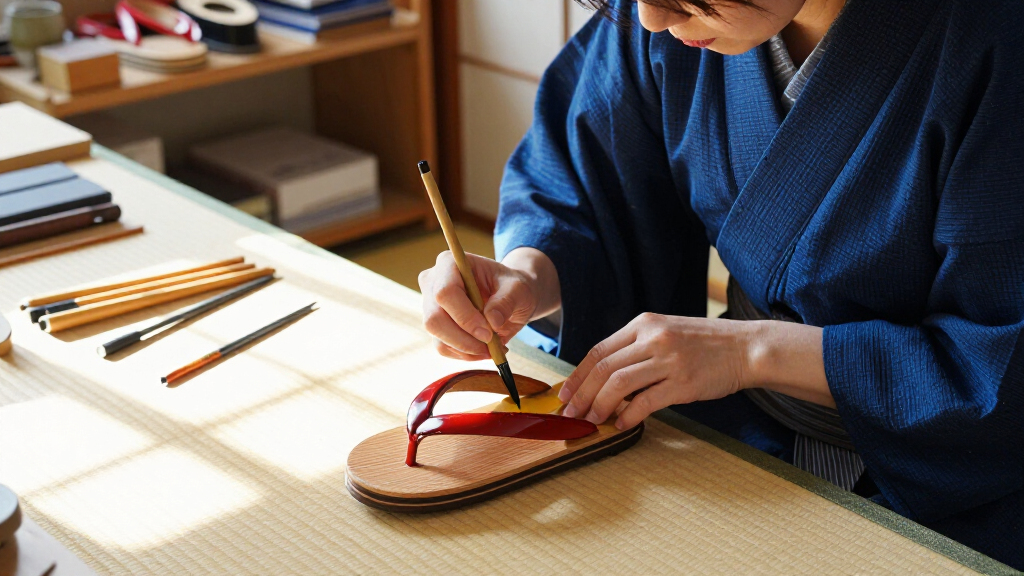

Japanese traditional crafts encompass a rich array of techniques, materials, and cultural expressions that have been refined over centuries. The best options blend authenticity with usability, whether you’re seeking a decorative piece or an engaging hobby. The Art of Kogin Stitching stands out for intricate embroidery, while the Japanese Origami Kits offer accessible folding projects for all skill levels. However, buyers often face tradeoffs between authenticity, ease of use, and price. Continue reading for a detailed breakdown of the top crafts and what makes each one unique.

Get art and craft supplies delivered free — and shop member deals
- Fast, free delivery on millions of items
- Access to Prime Big Deal Days deals on October 6–7
- Prime Video, Amazon Music and more included
Key Takeaways
- The top picks balance traditional authenticity with practical usability, appealing to both novices and seasoned craft enthusiasts.
- Origami kits dominate for accessibility and variety, but premium paper and detailed instructions make a noticeable difference.
- Woodworking and joinery crafts stand out for durability and craftsmanship, yet often require more skill and space.
- Cultural items like Kokeshi and Daruma dolls provide authentic decor options but may be more niche for hobbyists.
- Price ranges vary widely, highlighting the importance of matching craft complexity and investment to personal interest and skill level.


More Details on Our Top Picks
The Art of Kogin Stitching Made Easy: Learn Traditional Japanese Motifs, Explore Modern Patterns & Create Stunning Hand-Embroidered Projects
This book stands out for making the intricate art of Kogin embroidery accessible to a broad audience, combining traditional motifs with contemporary designs. Compared with more technical craft books like “Traditional Arts and Crafts of Japan,” it offers clear step-by-step guidance suitable for those new to Japanese embroidery. However, it focuses solely on stitching techniques without providing materials lists or project supplies, which might limit practical application for some crafters. What makes this an excellent starting point is its balance of cultural depth and ease of use.
BestFor: Beginners interested in traditional Japanese embroidery or those exploring textile crafts.
NotIdealFor: Advanced embroiderers seeking detailed patterns or comprehensive project kits.
- Pros: Clear step-by-step instructions; Combines traditional and modern motifs; Suitable for all skill levels; Focused on embroidery techniques
- Cons: Lacks detailed materials or supplies list; Content limited to embroidery skills; No project kit included
Verdict: This guide is ideal for newcomers wanting to learn the art of Kogin stitching with accessible instructions.
- Material: Paper, thread, embroidery needles
- Pages: Not specified
- Focus: Embroidery techniques, motifs
- Level: Beginner to intermediate
- Format: Book
- Language: English
- Additional: Includes modern pattern ideas
- Size: Standard book dimensions
- Price: Not specified
Our verdict“Best for Beginners and Embroidery Enthusiasts — a strong pick in this lineup.”
Japanese Origami for Beginners Kit: 20 Classic Origami Models with 96-Page Book, 72 Papers, and Videos
This origami kit makes the art of paper folding straightforward with a comprehensive set of 20 models, a detailed 96-page instruction book, and access to videos. Compared with the more specialized “Amazing Origami Kit,” this set offers a broader variety of beginner-friendly designs, making it ideal for those just starting out or young learners. However, it doesn’t include advanced models, limiting growth for more experienced folders. Its clear instructions and ample supplies make it perfect for casual crafters or families.
BestFor: Beginners, children, or casual hobbyists exploring Japanese paper art.
NotIdealFor: Experienced origami artists seeking complex or professional-level models.
- Pros: Includes instructional videos; Wide variety of models; Complete with 72 colorful papers; User-friendly for all ages
- Cons: Limited to beginner-level designs; No advanced origami included; Paper quality varies depending on usage
Verdict: This kit offers an accessible and engaging introduction to Japanese origami for new learners.
- Material: Origami paper, instructional book, access to videos
- Number of Models: 20
- Book Pages: 96
- Origami Papers: 72 sheets
- Includes: Instructional videos and papers
- Level: Beginner
- Format: Kit with book and digital content
- Size: Standard pack
- Price: Not specified
Traditional Japanese Woodworking: Mastering the Timeless Art of Joinery
This book offers a thorough exploration of traditional Japanese woodworking, particularly focusing on joinery techniques that have been refined over centuries. It surpasses general craft books like “Traditional Arts and Crafts of Japan” by providing detailed instructions, illustrations, and historical context that appeal to serious woodworkers or artisans. The tradeoff is that its technical depth makes it less suitable for beginners or hobbyists seeking quick results. This is a resource for those committed to understanding the cultural and technical mastery of Japanese woodcraft.
BestFor: Skilled woodworkers, artisans, or enthusiasts of Japanese craftsmanship.
NotIdealFor: Beginners or casual DIYers looking for simple projects or quick guides.
- Pros: In-depth instructions and illustrations; Rich historical and cultural insights; Focus on traditional joinery techniques; Suitable for serious craftsmanship
- Cons: Very technical and detailed; Limited appeal for novices; Less focus on modern or decorative applications
Verdict: This book is perfect for experienced woodworkers eager to master Japan’s renowned joinery techniques.
- Material: Not specified (book-based)
- Pages: Not specified
- Focus: Woodworking, joinery techniques
- Level: Advanced
- Format: Hardcover/softcover book
- Language: English
- Additional: Rich historical context included
- Size: Standard book dimensions
- Price: Not specified
Our verdict“Best for Experienced Woodworkers and Cultural Enthusiasts — a strong pick in this lineup.”
The Art of Japanese Patterns: Vol. 1 – Essential Traditional Motifs
This volume shines as a visual resource for authentic Japanese motifs, making it invaluable for artists, designers, and cultural enthusiasts. Unlike practical craft guides like the origami kit, it offers a collection of traditional patterns with detailed explanations and beautiful illustrations. While it excels in visual authenticity, it doesn’t provide practical applications or step-by-step projects, which could limit its use for hands-on crafts. It’s best suited for those seeking inspiration and accurate motif references for their creative work.
BestFor: Artists, graphic designers, and cultural researchers interested in traditional Japanese aesthetics.
NotIdealFor: Hobbyists looking for hands-on craft instructions or project kits.
- Pros: Extensive collection of motifs; Beautifully illustrated; Deep cultural and historical insights; Ideal for design work
- Cons: No practical craft instructions; Lacks application guidance; Price and user feedback unavailable
Verdict: This book is perfect for professionals and enthusiasts who need authentic Japanese pattern references for inspiration.
- Material: Not applicable (visual motifs)
- Pages: Not specified
- Focus: Traditional motifs and patterns
- Level: Intermediate to advanced
- Format: Book
- Language: English
- Additional: Rich illustrations and explanations
- Size: Standard book dimensions
- Price: Not specified
JapanBargain Yuzen Washi Chiyogami Origami Paper, #1444, 15 cm, 10 Sheets
This high-quality washi paper captures the beauty of traditional Japanese designs, making it ideal for origami, decoration, and paper crafts. Compared with the more comprehensive origami kits, this set emphasizes aesthetic appeal with vibrant patterns and thick, durable paper. However, with only 10 sheets, it may not meet the needs of someone undertaking large or multiple projects. Its rich textures and colors make it a favorite for decorative purposes, but limited quantity can be a drawback for serious crafters. This paper excels when quality and appearance are priorities.
BestFor: Artists, decorators, or hobbyists seeking authentic Japanese paper for special projects.
NotIdealFor: Large-scale origami or frequent use without additional paper supplies.
- Pros: Beautiful traditional designs; Thick, high-quality washi paper; Vibrant colors and patterns; Suitable for decorative crafts
- Cons: Limited to 10 sheets; No detailed info on durability or thickness; Not ideal for extensive projects
Verdict: This exquisite washi paper is perfect for adding authentic Japanese aesthetic touches to special crafts.
- Material: Washi paper
- Quantity: 10 sheets
- Size: 15 cm x 15 cm
- Colors: 10
- Usage: Origami, decoration, craft projects
- Designs: Traditional motifs
- Quality: Thick, durable paper
- Price: Not specified
Our verdict“Best for Traditional Crafting and Decorative Projects — a strong pick in this lineup.”
Origami 6×6 Inch Paper Kit – 50 Sheets, 12 Vivid Colors
This origami paper kit stands out for its vibrant double-sided patterns and high-quality eco-friendly materials, making it ideal for a variety of craft projects beyond folding, such as decoupage. Compared with the Amazing Origami Kit, which offers more sheets and projects, this set is better suited for those focusing primarily on paper quality and pattern diversity. However, with only 50 sheets, it might run out quickly for large projects, and the moderate thickness may limit its use for heavier crafts. Its perfect size ensures crisp creases and versatile application, yet it’s less suitable if you need a larger quantity or thicker paper for complex models.
Pros:- Double-sided printing with 12 vivid patterns for diverse designs
- Made from environmentally friendly, high-quality raw materials
- Versatile for origami, decoupage, and other paper crafts
Cons:- Limited to 50 sheets, which may be insufficient for large projects
- Moderate thickness could restrict use for heavy-duty crafts
Best for: Craft enthusiasts who want high-quality, environmentally friendly origami paper with beautiful patterns for a range of projects.
Not ideal for: Beginners looking for a larger, more affordable set for extensive practice, or crafters needing thicker paper for complex models.
- Sheet Size:6×6 inches
- Number of Sheets:50
- Patterns:12 vivid patterns
- Material:High-quality raw wood materials
- Thickness:Moderate
- Edges:Smooth
Our verdict“This kit is perfect for experienced crafters seeking vibrant, eco-friendly origami paper for varied artistic projects.”
Japanese Paper Craft: A Guide to Making Your Own Books, Notepads, and Keepsakes
This guide makes the art of Japanese paper craft accessible for those interested in creating handmade books and keepsakes, offering detailed instructions and clear illustrations. Unlike the 350 Pack Origami Kit, which is focused solely on folding, this book emphasizes the broader craft of using traditional Japanese paper techniques to produce functional and decorative items. Its lack of included materials means you’ll need to source your own paper and tools, but it compensates with comprehensive guidance. It’s ideal for crafters who want to deepen their understanding of Japanese paper arts beyond simple folding.
Pros:- Comprehensive, detailed instructions suitable for various skill levels
- Includes clear illustrations to facilitate learning
- Great resource for expanding traditional Japanese paper craft skills
Cons:- No materials or tools included, requiring additional investment
- Limited to instructional content, not a craft kit
Best for: DIY enthusiasts eager to learn traditional Japanese bookbinding and paper craft techniques with detailed, step-by-step guidance.
Not ideal for: Complete beginners seeking a ready-to-use craft set with included materials, or those uninterested in bookmaking or paper projects.
Our verdict“This book is ideal for dedicated DIYers wanting to master traditional Japanese paper craft techniques for bookmaking and keepsakes.”
350 Pack Origami Paper Kit with 20 Colors and Japanese Patterns, Includes Instruction Book for Kids and Adults
Compared with the Amazing Origami Kit, this set offers a broader array of colors and traditional Japanese patterns, making it excellent for both beginners and families. The included instructional book simplifies origami for all skill levels, encouraging creative activities for kids and adults alike. While it’s limited to paper folding and doesn’t include other craft tools, the variety and quantity of sheets make it a versatile choice for ongoing projects. Its focus on origami means it’s less suitable if you’re looking to explore other traditional crafts like paper making or woodworking.
Pros:- Includes a wide variety of 20 colors plus patterned sheets
- Comes with an instruction book with 25 easy projects
- Suitable for both kids and adults to develop origami skills
Cons:- Limited strictly to paper folding, no other craft tools
- No digital or electronic components included
Best for: Families, educators, and beginners seeking a large, colorful origami set with easy-to-follow instructions for creative fun.
Not ideal for: Crafters interested in broader traditional Japanese crafts beyond folding or those requiring non-paper materials.
- Sheet Count:350
- Sheet Size:6 x 6 inches
- Colors:20
- Pattern Sheets:50
- Material:Paper
Our verdict“This kit is best for families and beginners wanting a colorful, comprehensive origami set for fun and educational projects.”
Japanese Kokeshi Dolls: The Woodcraft and Culture of Japan’s Iconic Wooden Dolls
This book offers a rich exploration of Japanese Kokeshi dolls, delving into their history, craftsmanship, and cultural significance. It’s particularly suited for collectors and enthusiasts interested in the cultural context of traditional Japanese woodcraft. Unlike the Origami Kits, which focus on hands-on crafting, this publication emphasizes understanding the cultural symbolism and artistry behind the dolls. Its detailed photographs and historical insights make it a valuable resource, though it has limited practical application for those seeking craft-making skills.
Pros:- Provides detailed historical and cultural insights
- Features beautiful photographs and illustrations
- Ideal for collectors and those interested in Japanese culture
Cons:- Limited practical crafting or DIY application
- May be too niche for casual readers or casual crafters
Best for: Cultural enthusiasts, collectors, and readers looking to deepen their knowledge of Japanese wooden doll craftsmanship and symbolism.
Not ideal for: Practical crafters seeking hands-on projects or anyone uninterested in cultural history and collectible art.
Our verdict“This book is perfect for those eager to explore the cultural and artistic significance of Japan’s iconic wooden dolls.”
Amazing Origami Kit: Traditional Japanese Folding Papers and Projects
This comprehensive origami kit provides 144 traditional Japanese folding papers along with a book featuring 17 projects, making it ideal for beginners and experienced folders alike. It’s more complete than many single-set options, offering a variety of papers and detailed instructions for a wide range of models. While it’s limited to origami and does not include tools or materials for other crafts, its compact design and ease of use make it a go-to choice for those new to Japanese paper folding or looking to expand their collection. However, advanced folders may find it somewhat basic compared to specialized kits or professional supplies.
Pros:- Includes a large set of 144 traditional folding papers
- Features a book with 17 creative origami projects
- Suitable for both beginners and experienced folders
Cons:- Limited only to origami projects and no additional crafting tools
- No digital or electronic enhancements included
Best for: Beginners and origami enthusiasts wanting a well-rounded starter set with a variety of projects and traditional papers.
Not ideal for: Crafters seeking multi-disciplinary Japanese crafts beyond paper folding, or those looking for advanced or complex origami models.
- Number of Origami Papers:144
- Projects Included:17
- Material:Paper
Our verdict“This kit is perfect for beginners and casual folders wanting a comprehensive, easy-to-use origami set with diverse models.”
The Craft of Japanese Joinery: Traditional Techniques for the Modern Woodworker
This book stands out for its detailed instructions and clear illustrations, making complex Japanese joinery techniques accessible to both beginners and seasoned woodworkers. Unlike the broader scope of ‘Traditional Japanese Woodworking,’ this guide zeroes in on precise joinery methods, offering practical insights for craftsmanship. The main tradeoff is that it lacks specific information on materials or tools, which may leave some readers wanting more practical application details. However, its focus on techniques makes it ideal for those looking to deepen technical mastery rather than surface-level projects. This pick is perfect for woodworkers eager to incorporate authentic Japanese joinery into their projects, though it may feel limited for casual hobbyists or those seeking ready-to-use projects.Pros:- Provides highly detailed instructions on traditional joinery methods
- Includes clear, step-by-step illustrations that enhance understanding
- Suitable for both beginners and experienced practitioners aiming for precision
Cons:- Lacks specific information on tools and materials needed for projects
- Limited to technical explanations without practical project guidance
Best for: Intermediate to advanced woodworkers interested in mastering Japanese joinery techniques
Not ideal for: Beginners seeking straightforward projects or those looking for material-focused guides
- Format:Paperback
- Pages:240
- Language:English
- Illustrations:Detailed diagrams and step-by-step images
- Publisher:Japanese Craft Press
- Edition:First
Our verdict“This book is best suited for woodworkers wanting to develop technical skills in Japanese joinery, rather than casual hobbyists or beginners seeking simple projects.”
Japanese Daruma Doll 4.7 inch Red, Takasaki Handmade Good Luck Ornament
This handcrafted Daruma doll from Takasaki exemplifies authentic Japanese folk art, offering a tangible connection to traditional symbolism of perseverance and good luck. Compared with the more technical focus of ‘The Craft of Japanese Joinery,’ this doll emphasizes cultural significance and craftsmanship, making it ideal for decoration or as a meaningful gift. The main limitation is that it’s purely decorative; it’s not meant for play or interactive use. Its handcrafted nature and traditional materials ensure a high-quality piece, but this also means it’s fragile and best kept in display spaces. This choice makes the most sense for collectors or those wanting a culturally rich accent in their home, not for children or active use.Pros:- Handmade in Japan using traditional paper mache techniques
- Symbolizes perseverance and good luck, adding cultural depth
- Compact size and attractive design perfect for display
- Comes with original packaging for safe storage
Cons:- Designed solely for display, not for play or handling
- Fragile due to delicate materials, requiring careful placement
Best for: Collectors, cultural enthusiasts, and anyone seeking authentic Japanese decorative items
Not ideal for: Parents or gift buyers wanting durable, child-friendly toys or interactive objects
- Size:4.7 x 3.6 x 3.9 inches
- Material:Traditional paper mache
- Origin:Takasaki, Japan
- Weight:approx. 150 grams
- Color:Red
- Use:Decorative, symbolic
Our verdict“This Takasaki Daruma doll makes a meaningful decorative piece for collectors and cultural fans, but isn’t suitable for active use or children.”
Traditional Arts and Crafts of Japan
This book offers a broad overview of Japanese arts and crafts, showcasing a variety of techniques and the cultural stories behind them. Unlike the more focused ‘The Craft of Japanese Joinery,’ this volume emphasizes the historical and artistic significance rather than detailed technical instructions. It’s ideal for those seeking a visual and cultural introduction, with beautiful photographs and comprehensive coverage of styles and traditions. However, its lack of step-by-step guides limits its usefulness for hands-on craftsmanship. This makes it perfect for students, educators, or enthusiasts who want to deepen their appreciation of Japan’s artistic heritage without necessarily creating projects themselves.Pros:- Covers a wide range of Japanese arts and crafts traditions
- Rich in beautiful illustrations and photographs
- Provides historical and cultural context for understanding Japanese craftsmanship
- Educational and inspiring for a broad audience
Cons:- Lacks detailed technical or instructional content
- Limited focus on contemporary or DIY applications
Best for: Cultural historians, art students, and enthusiasts interested in the story behind Japanese crafts
Not ideal for: Practical crafters seeking detailed instructions or project guidance
- Format:Hardcover
- Pages:192
- Language:English
- Photographs:Extensive, high-quality images
- Publisher:Japan Heritage Press
- Edition:First
Our verdict“This book is ideal for those who want an immersive cultural overview of Japanese arts, but it isn’t suited for hands-on craft projects.”
How We Picked
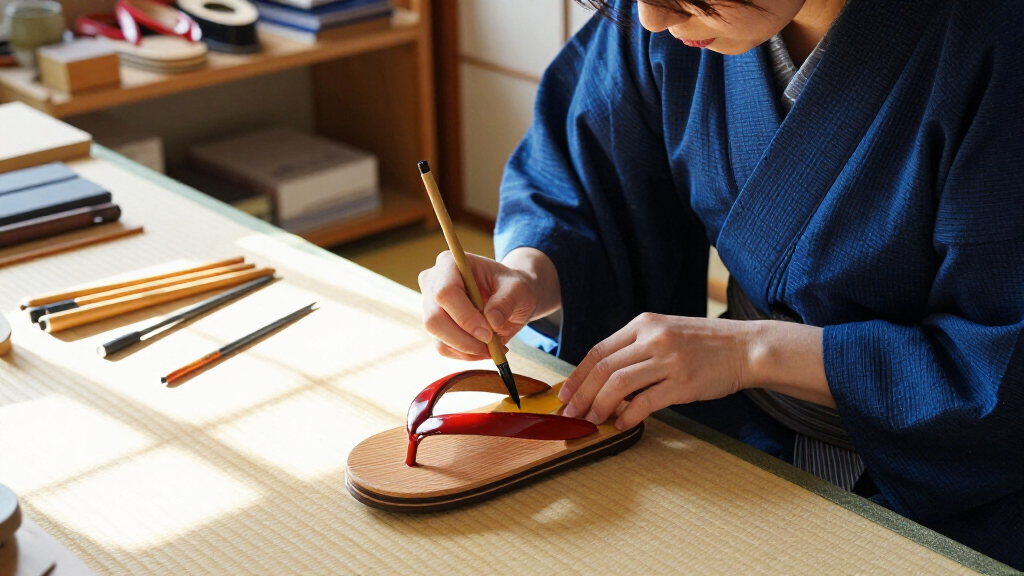
Our selection process focused on authenticity, ease of use, versatility, and overall craftsmanship. We prioritized products that faithfully represent traditional Japanese techniques while remaining accessible to a broad audience. Ease of learning, quality of materials, and the clarity of instructional content also played key roles. To ensure a balanced lineup, we included options suitable for beginners, intermediate crafters, and advanced artisans, ranking them based on how well they meet these criteria and their potential to inspire ongoing engagement with Japanese crafts.
Factors to Consider When Choosing Best Japanese Traditional Crafts
Choosing the best Japanese traditional craft depends on your interests, skill level, and intended use. Consider whether you want a decorative item, a hands-on hobby, or a skill to develop over time. Material quality and authenticity can significantly influence the craft’s appearance and durability. Budgeting appropriately for tools, supplies, and instructional resources is also essential. Understanding these factors can help you pick a craft that you will enjoy and sustain long-term.Skill Level and Complexity
Some crafts, like basic origami or simple Kokeshi doll making, are accessible for beginners and require minimal tools. Others, such as traditional woodworking or intricate embroidery, demand more skill, patience, and specialized tools. Assess your current skill set and willingness to learn, choosing options that match your comfort level yet offer room for growth. Avoid overly complex projects if you’re just starting, but don’t shy away from more advanced crafts if you seek a challenge and are prepared to invest time.
Authenticity and Cultural Value
Authentic Japanese crafts often involve high-quality materials and traditional techniques that preserve cultural significance. While genuine items like hand-carved Daruma dolls or Kokeshi figures can be more expensive, they offer lasting value and a connection to Japanese heritage. Cheaper or mass-produced items may lack the craftsmanship and cultural depth but can serve as decorative accents or introductory tools. Decide whether your priority is cultural authenticity or casual enjoyment, which influences your choice of products.
Materials and Tools Needed
Some crafts, especially woodworking and joinery, require specialized tools and a dedicated workspace, making them more suitable for serious hobbyists or professionals. Paper crafts like origami demand high-quality, durable paper for better results, though beginner kits often include everything needed. Consider whether you’re willing to invest in tools or prefer starter kits that contain all essentials. Quality materials often translate into better final products and a more satisfying crafting experience.
Price and Long-Term Value
While some crafts can be inexpensive, especially beginner origami kits, more sophisticated projects like woodworking or hand-embroidered textiles can require significant investment. Balance your budget with your interest level—spending more on high-quality materials and instructions can lead to better results and greater enjoyment. Keep in mind that some crafts involve ongoing costs for supplies, so consider your long-term commitment before making a purchase.
Space and Storage
Many traditional crafts, particularly woodworking and large dolls, require ample space for tools, materials, and finished pieces. Paper crafts and small embroidery projects can be stored easily and are suitable for limited spaces. Think about your available area and whether you can dedicate a workspace for more involved crafts. Proper storage solutions can also extend the lifespan of your supplies and finished artworks.
Frequently Asked Questions
What Japanese craft is easiest for a beginner to start with?
Origami is generally the most accessible Japanese craft for beginners. It requires minimal tools—just paper—and has a wide range of simple projects that can be completed quickly. Beginner kits often include instructional guides and pre-cut paper, making it easy to learn basic folding techniques. As you build confidence, you can progress to more complex models, but starting with origami provides a gentle introduction to Japanese craftsmanship.
Are traditional Japanese crafts suitable for children?
Many Japanese crafts, such as origami and simple paper crafts, are well-suited for children and can serve as educational activities that introduce them to Japanese culture. However, more complex projects like woodworking or embroidery may require adult supervision and specific tools. Choose age-appropriate kits and projects to ensure safety and enjoyment. These crafts can also foster patience, fine motor skills, and cultural appreciation in young learners.
How much space do I need for traditional Japanese woodworking?
Japanese woodworking typically requires a dedicated workspace with enough room for tools, lumber, and assembly. Larger projects like furniture or complex joinery work demand a well-ventilated area with enough clearance for safe handling of tools. Smaller projects, such as carving or modeling, can be done in more compact spaces, but you should consider storage for tools and finished pieces. A well-organized space enhances safety and efficiency in traditional woodworking.
Can I learn Japanese embroidery or textile crafts at home?
Absolutely, many Japanese embroidery and textile crafts can be learned at home through instructional books, online tutorials, and starter kits. These crafts often require minimal space and tools, making them accessible for hobbyists. However, achieving authentic results may involve honing specific stitches and techniques, which can take time. Investing in quality materials and following detailed guides will help you develop skills and create beautiful, culturally rich textiles.
What should I consider when choosing a traditional Japanese craft as a gift?
When selecting a Japanese craft as a gift, consider the recipient’s interests, skill level, and space availability. For example, origami kits or small dolls suit those new to crafts, while advanced woodworking might appeal to dedicated artisans. Authentic items like handcrafted dolls or decorative items can carry cultural significance, making them meaningful gifts. Ensure the craft aligns with their tastes and abilities to create a memorable and appreciated present.
Conclusion
For general enthusiasts seeking a well-rounded introduction, the Japanese Origami Kits offer accessible entry points with a wide variety of designs. Those interested in long-term craftsmanship and cultural authenticity should consider the Traditional Japanese Woodworking or Kogin Stitching for more detailed and durable projects. Beginners will benefit from simple, all-in-one kits, while serious hobbyists should look into high-quality materials and advanced techniques. Overall, the best choice depends on your interest level, available space, and commitment to learning Japanese cultural arts.
Fall Picks
fall essentials
As an affiliate, we earn on qualifying purchases.