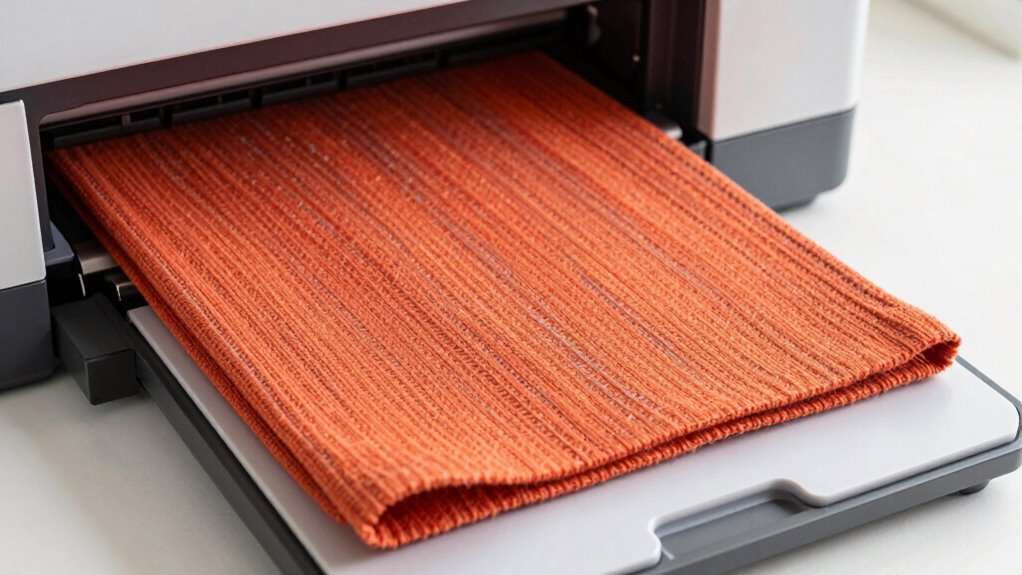
To print on thick cotton rag without jams, start by preparing your fabric with washing and ironing to smooth out the texture. Use a compatible printer that handles heavy materials and adjust the settings for thicker media, including slower print speeds. Select the right inks that absorb well and prevent bleeding. Regularly clean your printer and perform test runs to fine-tune your process. For more tips on achieving perfect, jam-free results, keep exploring this guide.
Key Takeaways
- Use a compatible wide-format printer with adjustable feed settings for thick, textured fabrics like cotton rag.
- Pre-treat and iron the fabric to create a smooth, stable surface for consistent ink absorption.
- Select inks formulated for dense textures and set the printer to low or medium pressure to prevent jams.
- Manually feed the fabric slowly and steadily to ensure proper alignment and reduce the risk of jams.
- Regularly clean printer rollers and perform test prints to fine-tune settings and maintain smooth operation.
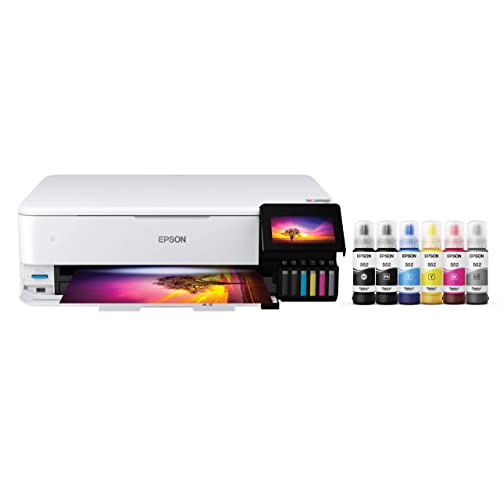
Epson EcoTank Photo ET-8550 Wireless Wide-format Color All-in-One Supertank Printer with Scanner Copier, Ethernet and 4.3-inch Colorfull Touchscreen
Cartridge-free printing for lab-quality photos, graphics and creative projects — get vibrant colors and sharp text with Epson's…
As an affiliate, we earn on qualifying purchases.
As an affiliate, we earn on qualifying purchases.
Why Printing on Thick Cotton Rag Is Challenging
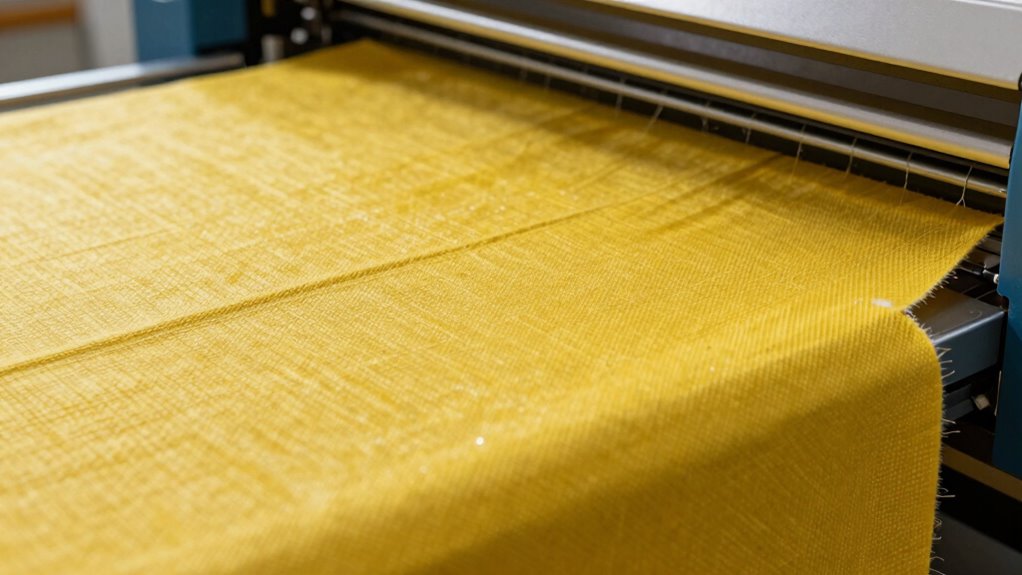
Printing on thick cotton rag can be challenging because its dense, textured surface resists ink absorption and creates uneven prints. The fabric’s softness varies, affecting how the ink settles, often leading to inconsistent color opacity. If the fabric feels too stiff or coarse, the ink might not penetrate evenly, resulting in patchy or faded areas. Plus, the natural texture can cause ink to spread irregularly, making it hard to achieve sharp, vibrant images. You’ll notice that thinner or smoother fabrics tend to hold color better, but thick cotton rag demands extra attention. To get clear, bold results, you need to weigh these fabric properties and adjust your technique accordingly. Without proper preparation, the texture and softness can sabotage your printing project. Additionally, understanding the impact of technology on printing techniques can offer new solutions for overcoming these challenges. Employing engine upgrades can enhance the overall performance of your printing setup, allowing for better handling of challenging materials. Exploring new frontiers in digital content can also provide innovative approaches to tackle these printing difficulties.

CleanGenix Fabric Refresher Spray – Fresh Cotton – Wrinkle Release Spray & Fabric Softener Alternative – Odor Eliminator Deodorizer Spray for Clothes, Bedding and Home Use
FRESHENS FABRICS INSTANTLY – This wrinkle release spray smooths out fabric while refreshing its scent in one step….
As an affiliate, we earn on qualifying purchases.
As an affiliate, we earn on qualifying purchases.
Preparing Your Cotton Rag for Printing
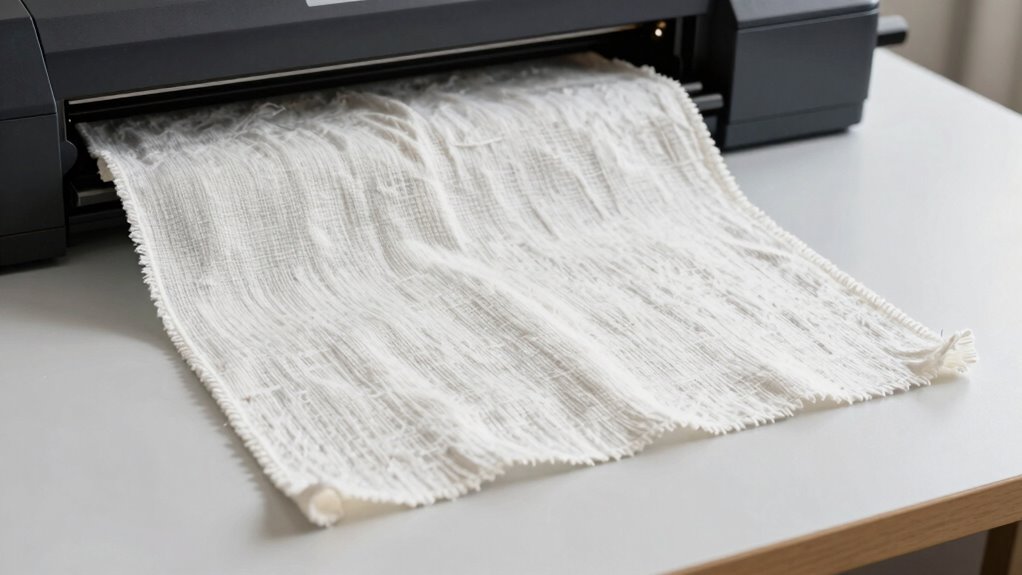
Before you start printing on thick cotton rag, it’s essential to prepare the fabric properly to guarantee the best results. Begin by washing the rag to remove any dirt, oils, or sizing that could affect colorfastness. Use a mild detergent and rinse thoroughly. Once dry, iron the fabric to create a smooth, even surface, reducing the risk of jams and uneven printing. To prevent bleed, consider applying a fabric primer or a stabilizing medium tailored for heavy textures. This step helps lock in colors and reduces ink spreading, ensuring sharp, vibrant images. Always test a small section first to check colorfastness and bleed prevention measures. Proper preparation makes a significant difference in achieving crisp, durable prints on thick cotton rag. Additionally, investing in high-quality printing gear can enhance your overall printing experience and results. To further elevate your projects, consider exploring luxury lifestyle products that can complement your creative endeavors.
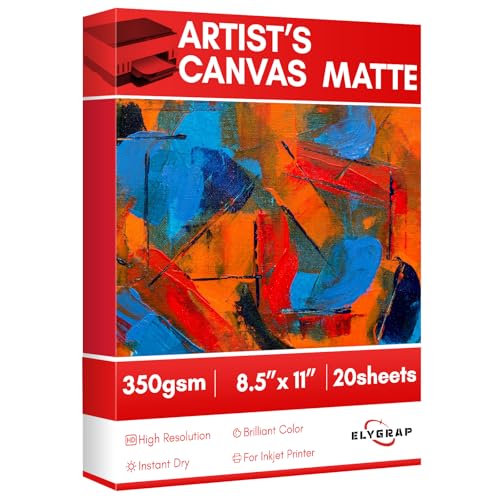
Elygrap 350g Thick Premium Printable Cotton Fabric Sheets for Inkjet Printer – 8.5×11 Inch, 20 Sheets,100% Real Cotton Canvas with Matte Finish for Photo Printing,Craft Projects
Professional-Grade Pure Cotton & Heavyweight Feel Crafted from 100% natural cotton fibers with a substantial 350 gsm weight,…
As an affiliate, we earn on qualifying purchases.
As an affiliate, we earn on qualifying purchases.
Choosing the Right Printer and Ink for Heavy Textures
Choosing the Right Printer and Ink for Heavy Textures
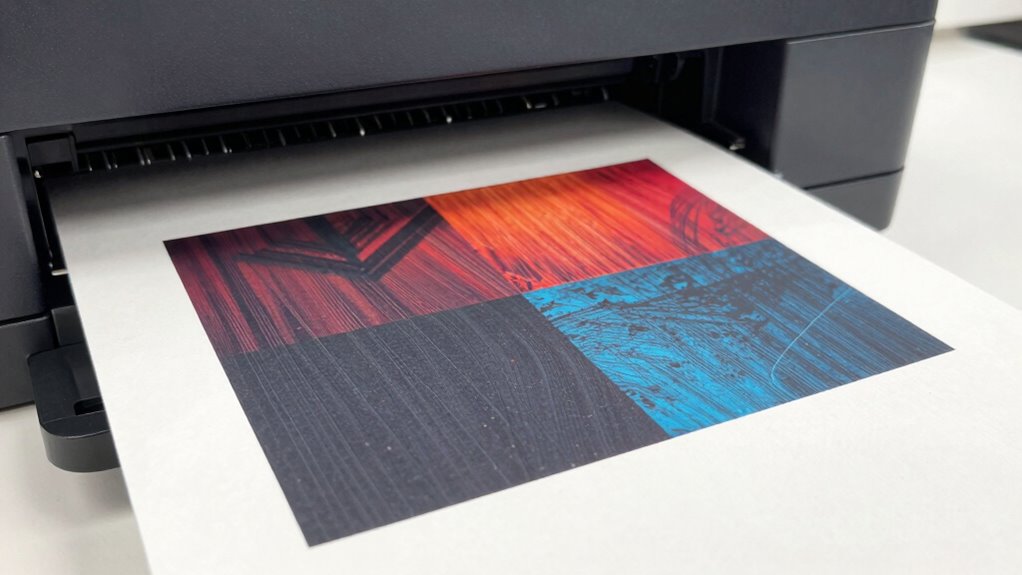
Choosing the right printer and ink is vital when working with heavy textures like thick cotton rag because not all printing equipment can handle such dense materials effectively. To guarantee success, focus on selecting a printer with high print compatibility for thicker paper weights. Consider these factors:
- Compatibility with heavy paper weight to prevent jams
- Using inks formulated for dense textures to avoid smudging
- Printers with adjustable paper feed mechanisms for thicker materials
- Making sure your printer supports wide-format printing if needed
Matching your printer’s capabilities with the specific paper weight of your cotton rag is essential. This way, you avoid damage to your equipment and achieve crisp, vibrant prints without jams. Proper equipment choice guarantees smooth printing on heavy textures and professional results. Additionally, understanding testing accuracy when utilizing digital resources can enhance your printing experience by ensuring compatibility with various software tools.

HP DesignJet T630 Large Format 24-inch Plotter Printer, with Auto Sheet Feeder, Media Bin & Stand (5HB09D) – New Model
Ideal for: Technical line-drawings, renders requiring precise, accurate line-quality and crisp text, posters, and maps. This printer is…
As an affiliate, we earn on qualifying purchases.
As an affiliate, we earn on qualifying purchases.
Adjusting Printer Settings for Thick Materials

Once you’ve selected a compatible printer and ink for your thick cotton rag, the next step is to fine-tune your printer settings to accommodate the dense material. Adjust the media type to a thicker or heavyweight option to improve ink absorption and prevent jams. Increasing the print head pressure if available ensures even ink distribution. Interestingly, drone bees play a crucial role in pollination, which can affect the natural fibers in cotton. Use eco-friendly inks that offer better color fastness on textured surfaces, as safety precautions for using these materials can enhance print quality. Additionally, creating a comfortable seating area can inspire creativity during the printing process. Set the highest quality mode for detailed results, and avoid automatic paper feed to prevent misalignment. To help you customize settings, here’s a quick guide:
| Setting | Recommended Adjustment |
|---|---|
| Media Type | Heavyweight or Cotton Rag |
| Print Quality | Highest/Best |
| Ink Saturation | Increased |
| Print Head Pressure | Higher |
| Paper Feed | Manual, slow feeding |
In addition, selecting the right material can significantly influence the color accuracy of your prints. Additionally, understanding the importance of precious metal investments can provide insights into the value of quality materials like cotton rag in your printing projects.
Best Printing Techniques for Cotton Rag Textures

Have you considered that the key to capturing the rich textures of cotton rag lies in your printing technique? To guarantee vibrant, durable results, focus on methods that enhance color fastness and use eco-friendly inks. Use layered printing techniques like screen printing or digital printing with thick inks to bring out the texture. These methods allow the ink to sit deeply into the fibers, ensuring longevity. Opt for water-based or soy-based inks that are eco-friendly and enhance color fastness on rough surfaces. Additionally, heat-setting your print helps lock in the colors and improve durability.
- Use thick ink layers for better texture
- Choose eco-friendly inks for sustainability
- Employ screen or digital printing techniques
- Apply heat-setting to improve color fastness
Troubleshooting Jams and Ink Problems

When encountering jams or ink issues during printing on thick cotton rag, quick identification and adjustment are crucial to maintaining quality. Jams often stem from excessive paper thickness or misaligned feed mechanisms, while ink problems may result from poor ink absorption. To troubleshoot, check if the paper thickness exceeds your printer’s capacity, causing jams. Adjust the feed settings or switch to a compatible thicker media. For ink issues, ensure your ink type suits cotton rag; some inks absorb unevenly, leading to smudges or incomplete coverage. Utilizing the right regional flavors can enhance the overall printing experience as well. Use the following table to guide adjustments:
| Issue | Solution |
|---|---|
| Paper jams | Reduce paper thickness or realign paper feed |
| Ink smudging | Switch to faster-drying ink or improve ink absorption |
| Ink unevenness | Pre-treat cotton rag or select better ink for absorption |
Maintaining Consistent Quality on Heavy Cotton Rags
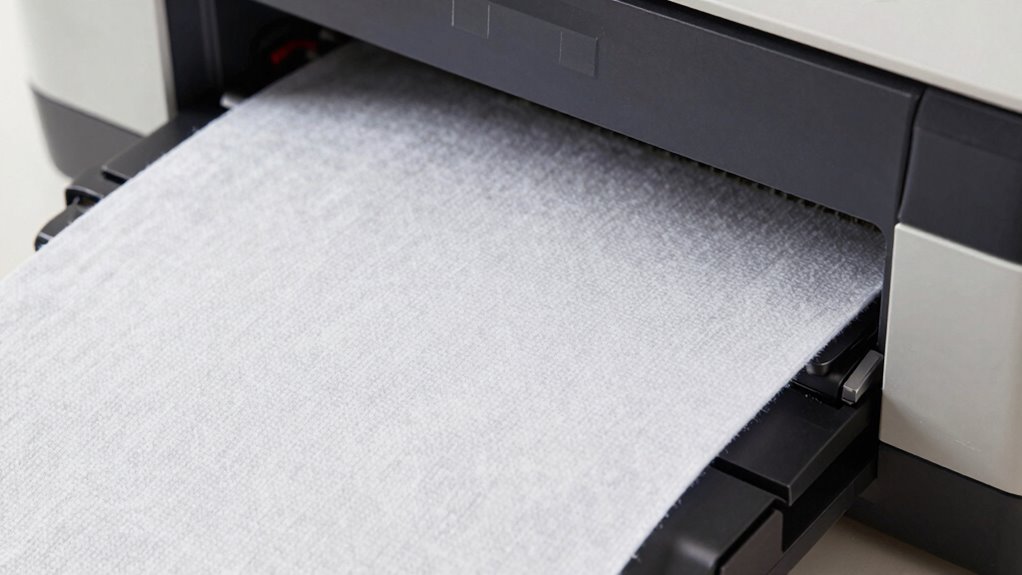
Adjusting your printing process to prevent issues like jams and ink problems is only part of the equation; maintaining consistent quality on heavy cotton rags requires ongoing attention. To guarantee colorfastness and prevent bleeding, focus on these key points:
- Use suitable ink formulations designed for fabric, reducing colorfastness issues.
- Consistent fabric preparation ensures even absorption and reduces bleeding.
- Adjust print settings for thicker textiles, maintaining uniform ink coverage.
- Perform regular tests to monitor colorfastness and bleed resistance, refining your process as needed. Additionally, understanding chain of custody can help ensure the integrity of your materials throughout the printing process.
Final Tips for Smooth, Jam-Free Prints

To achieve smooth, jam-free prints on thick cotton rags, paying close attention to your printer’s settings and maintenance is essential. First, confirm your printer’s feed is properly aligned and the rollers are clean to prevent jams. Adjust print settings for ideal color fastness, selecting the right ink type and paper quality to prevent bleeding or bleed control issues. Use the correct print speed; slower speeds often improve ink absorption and reduce smudging. Regularly clean print heads to maintain sharp, vibrant images. Additionally, proper cabling solutions can help ensure your printer operates efficiently, minimizing disruptions during printing. Incorporating commercial kitchen equipment can enhance your workspace’s functionality, allowing you to focus more on your printing projects without worrying about theft or unauthorized access. Furthermore, using top car protection products can help create a dedicated and safe environment for your printing endeavors. Choosing the right printer model, such as those with superior dust and allergen elimination, can also improve print quality and reliability. Test print on scrap material to fine-tune settings for consistent results. Properly managing these factors helps maintain color fastness, prevents bleed issues, and guarantees your prints are smooth, vibrant, and jam-free every time. Incorporating smart locks into your workspace can enhance security, allowing you to focus more on your printing projects without worrying about theft or unauthorized access.
Frequently Asked Questions
Can I Print on Both Sides of Thick Cotton Rag Simultaneously?
Yes, you can do double-sided printing on thick cotton rag, but it requires specific preparation. First, guarantee your printer supports double-sided printing or manually flip the fabric. Use textile dyeing techniques to prevent ink bleeding, and allow sufficient drying time between sides. Adjust your printer settings for thicker materials, and test on a scrap piece first. With patience and proper technique, you can successfully print on both sides of thick cotton rag.
What Are the Best Cleaning Practices After Printing on Heavy Textiles?
Think of your post-print routine as nurturing your craft. To keep your equipment in top shape, focus on gentle fabric preparation and ensuring ink compatibility. After printing, clean your tools carefully with mild cleaners suited for textiles, avoiding harsh chemicals that could damage your printer. Regular maintenance and proper cleaning preserve print quality and prolong your equipment’s life, turning each project into a seamless masterpiece.
How Long Does the Ink Take to Dry Completely on Cotton Rag?
The ink typically takes about 24 to 48 hours to dry completely on cotton rag, depending on fabric texture and ink absorption. Thicker, more textured fabrics absorb ink more slowly, so you might need to wait longer. To guarantee thorough drying, avoid handling or folding the fabric during this period. Using heat or air drying can speed up the process, but always check ink manufacturer recommendations for best results.
Are There Eco-Friendly Ink Options Suitable for Thick Fabrics?
Imagine painting hope onto fabric—yes, eco-friendly dyes suit thick fabrics like cotton rag. You can choose sustainable printing options that are gentle on the environment and your art. These eco-friendly inks are designed to bond well with thick textiles, reducing jams and messes. By selecting sustainable printing methods, you not only preserve the planet but also create vibrant, long-lasting designs that speak of your commitment to eco-conscious art.
How Can I Prevent Color Bleeding During the Printing Process?
To prevent color bleeding during printing, you should focus on fabric preparation and ensuring color stability. Start by thoroughly washing and drying your cotton rag to remove any residues or oils that can cause bleeding. Use high-quality, colorfast inks designed for fabric printing. Additionally, allow sufficient drying time and set the ink with heat if needed. These steps help maintain vibrant colors and prevent bleeding on thick cotton fabrics.
Conclusion
Printing on thick cotton rag may seem tricky at first, but with patience and the right techniques, you can achieve flawless results. Think of it like steering a rugged trail—you’ll encounter bumps, but with careful adjustments, you’ll reach your destination smoothly. Keep experimenting with printer settings, choose the right ink, and stay persistent. Before long, you’ll be creating beautiful, jam-free prints that stand out like a work of art engraved in fabric.