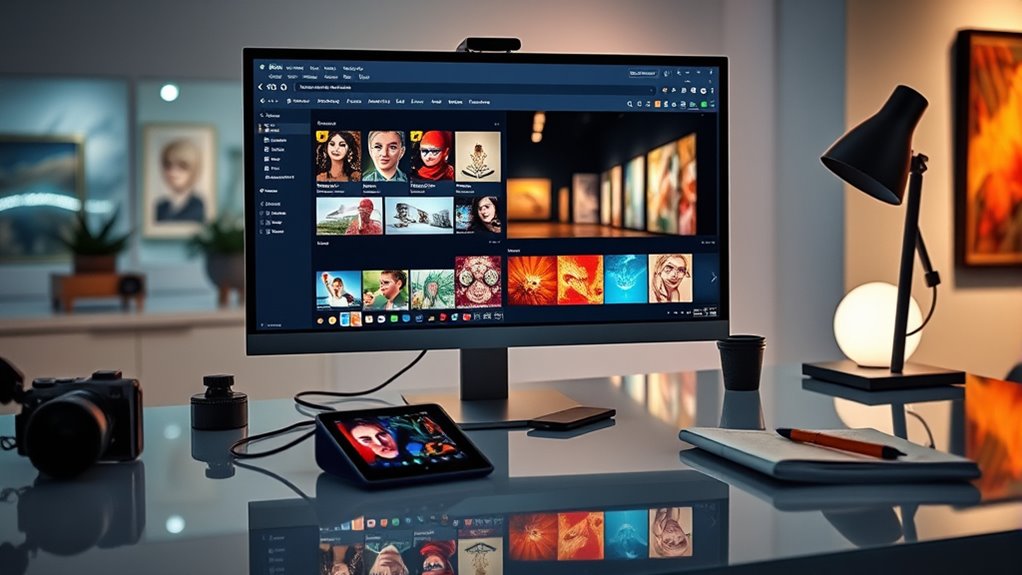

To curate successful online exhibitions, you should select platforms that support multimedia integration, flexible layouts, and accessibility standards like compatibility with screen readers and keyboard navigation. Focus on creating an intuitive user experience with clear navigation, storytelling, and interactive features that engage a diverse audience. Monitoring engagement through analytics helps refine your layout and content. If you continue exploring, you’ll discover more essential strategies and tools to make your digital showcase even more impactful.
Key Takeaways
- Select platforms that support multimedia, flexible layouts, and accessibility features to create engaging, inclusive online exhibitions.
- Prioritize adherence to WCAG standards, ensuring content is perceivable, operable, and understandable for all users.
- Incorporate interactive elements like storytelling, annotations, and multimedia to enhance visitor engagement and experience.
- Optimize user experience with intuitive navigation, clear menus, and logical content flow for seamless exploration.
- Use analytics tools to monitor engagement, gather feedback, and continually improve the exhibition’s reach and inclusivity.
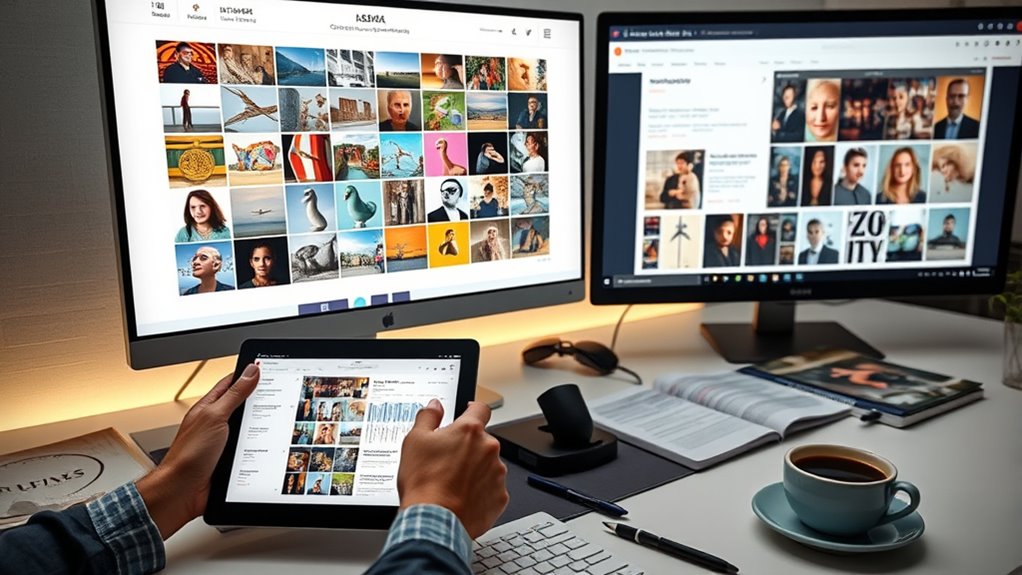
Online exhibitions have become an essential way to showcase art, history, and culture in the digital age. They allow you to reach a global audience, breaking down geographical barriers and making your collection accessible to many. To succeed, you need to prioritize digital engagement—creating interactive, immersive experiences that captivate visitors and encourage them to explore deeper. This involves integrating multimedia elements like videos, audio guides, and high-resolution images, which make your exhibition more dynamic and engaging. The goal is to foster a sense of connection, helping viewers feel as if they’re walking through a physical space, even from afar. Additionally, selecting a platform that supports innovative features can significantly enhance viewer interaction and overall experience.
Equally important is adhering to accessibility standards. When designing your online exhibition, you must guarantee that it’s usable by everyone, including people with disabilities. This means implementing features like alt text for images, keyboard navigation, and screen reader compatibility. Accessibility isn’t just a regulatory requirement; it’s a moral imperative that broadens your audience and demonstrates your commitment to inclusivity. By following established standards, such as the Web Content Accessibility Guidelines (WCAG), you make sure that your digital content is perceivable, operable, understandable, and robust for all users. Furthermore, understanding the security aspects of your platform can help protect your digital assets and visitor data.
Choosing the right platform is critical for effective curation. You want a platform that offers flexibility in layout and multimedia integration, enabling you to craft a visually appealing and user-friendly experience. Some platforms are built specifically for exhibitions and come with tools for storytelling, annotations, and interactive features. When selecting, consider how well the platform supports accessibility standards—does it allow you to add text alternatives, customize navigation, or incorporate accessible design elements? The platform should also provide analytics tools, so you can monitor digital engagement metrics—such as visitor numbers, session duration, and interaction rates—which help you refine and improve future exhibitions.
Designing your online exhibition with user experience in mind is essential. Keep navigation intuitive, with clear menus, logical flow, and easy access to key information. Incorporate storytelling techniques to guide visitors through your collection, making the experience more memorable. Remember, accessibility and engagement go hand in hand; if your site is difficult to navigate or doesn’t cater to diverse audiences, you risk alienating viewers and reducing the impact of your exhibit. By focusing on accessible design and interactive content, you create an inclusive space that invites everyone to learn, explore, and connect with your curated story.
Ultimately, your goal is to craft an online exhibition that is both compelling and accessible. When you combine engaging digital features with strict adherence to accessibility standards, you open your collection to a wider audience and elevate your curation to new heights. This approach guarantees your digital showcase isn’t just a static presentation but a vibrant, inclusive platform that truly resonates with all visitors.

Music Software Bundle for Recording, Editing, Beat Making & Production – DAW, VST Audio Plugins, Sounds for Mac & Windows PC
No Demos, No Subscriptions, it's All Yours for Life. Music Creator has all the tools you need to…
As an affiliate, we earn on qualifying purchases.
As an affiliate, we earn on qualifying purchases.
Frequently Asked Questions
How Do I Measure the Success of an Online Exhibition?
You measure the success of your online exhibition by analyzing engagement metrics like page views, time spent, and interaction rates. Additionally, gather visitor feedback through surveys or comments to understand their experience and satisfaction. If engagement levels are high and feedback is positive, your exhibition is likely resonating with your audience. Continually monitor these indicators to refine your approach and guarantee your online exhibition achieves its goals.
What Are the Costs Associated With Hosting an Online Exhibition?
Hosting an online exhibition typically costs between $500 and $5,000, depending on scale. You’ll need to contemplate virtual tour costs, which can include interactive features or high-quality visuals, and hosting platform fees, which vary based on features and bandwidth. Keep in mind that investing in a reliable platform guarantees smooth user experience and better engagement, making your expenses worthwhile. Planning your budget carefully helps maximize your event’s impact.
How Can I Ensure Accessibility for All Users?
To guarantee accessibility, you should add descriptive alt text to all images, making sure visually impaired users understand the content. Additionally, maintain high color contrast between text and background, so users with visual difficulties can easily read. Test your exhibition with accessibility tools and seek feedback from diverse users. These steps help create an inclusive experience, allowing everyone to engage fully with your online exhibition.
What Legal Considerations Are Involved in Digital Exhibitions?
You must consider copyright compliance to avoid legal issues, ensuring you have rights or permissions for all digital content. Privacy policies are equally essential, protecting user data and complying with regulations like GDPR. You need clear terms for content use, data collection, and sharing. By prioritizing these legal considerations—copyright and privacy—you safeguard your exhibition, respect creators’ rights, and foster trust with your audience, creating a responsible and ethical digital space.
How Do I Promote Engagement and Interactivity Effectively?
You can promote engagement and interactivity by incorporating interactive elements like quizzes, polls, or virtual tours that invite user participation. Encourage visitors to share their thoughts or experiences through comment sections or social media integration. Use compelling visuals and multimedia to captivate your audience, and provide clear calls-to-action. These strategies make your online exhibition more dynamic, fostering deeper engagement and making visitors feel more connected and involved.
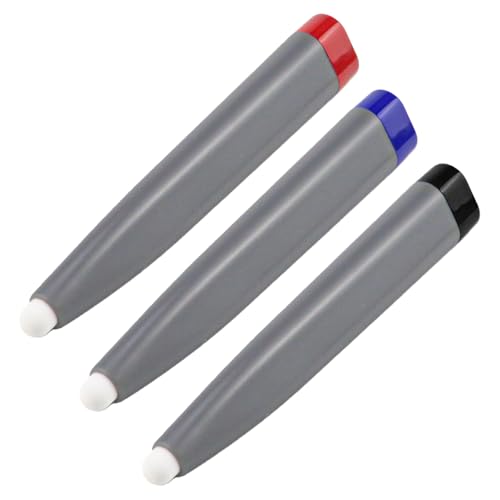
3Pcs Interactive Whiteboard Pens, Smart Board Stylus Digital Whiteboard Pen for Interactive Displays, Classroom,Office Presentation Tools
Sturdy ABS Construction:Made from premium ABS material that withstands daily classroom and office use. These smartboard pens maintain…
As an affiliate, we earn on qualifying purchases.
As an affiliate, we earn on qualifying purchases.
Conclusion
Now that you’ve explored the key platforms and best practices, you’re ready to create your own engaging online exhibition. But remember, the digital world is constantly evolving, and the most engaging exhibitions often come from unexpected innovations. Will your next project push boundaries and surprise audiences? Stay curious and adaptable—your perfect online exhibition is just one innovative idea away. The future of virtual curation is in your hands. Are you ready to make your mark?

A Web for Everyone: Designing Accessible User Experiences
As an affiliate, we earn on qualifying purchases.
As an affiliate, we earn on qualifying purchases.
Music Software Bundle for Recording, Editing, Beat Making & Production – DAW, VST Audio Plugins, Sounds for Mac & Windows PC
No Demos, No Subscriptions, it's All Yours for Life. Music Creator has all the tools you need to…
As an affiliate, we earn on qualifying purchases.
As an affiliate, we earn on qualifying purchases.