
TL;DR

Get art and craft supplies delivered free with Prime
- Fast, free delivery on millions of items
- Prime Video, Amazon Music and more included
- Member-only deals all year
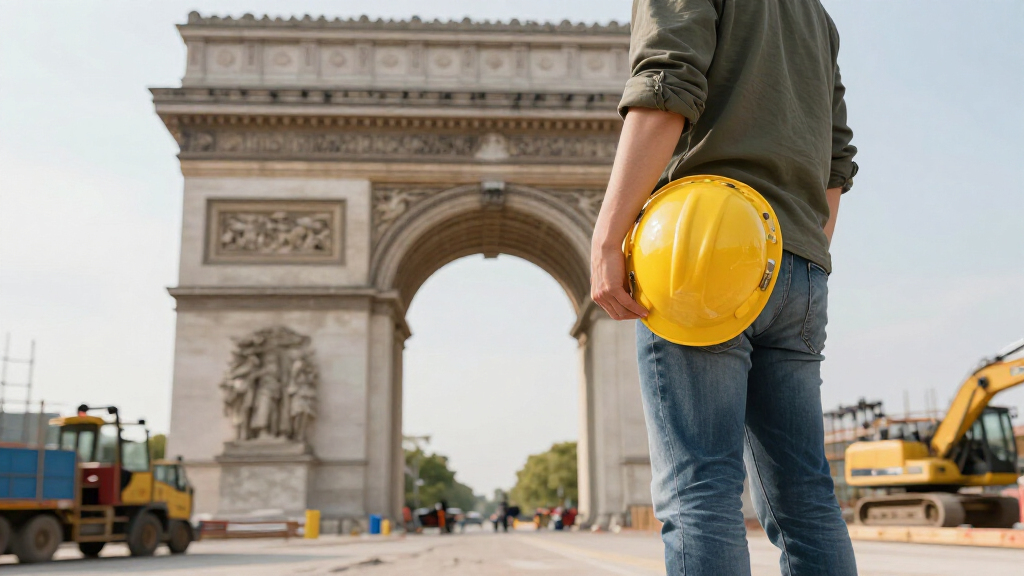
Donald Trump has announced plans to begin construction on a ‘Triumphal Arch’ monument without prior federal approval. The move has sparked controversy and legal uncertainty, with officials questioning its legality.
Former President Donald Trump has publicly stated his intention to break ground on a new monument called the ‘Triumphal Arch’ before securing the necessary federal approvals. This announcement comes despite legal and regulatory procedures typically requiring federal clearance prior to such construction projects, raising questions about the legality and potential consequences of the move.
According to sources close to Trump’s team, the project aims to erect a large-scale monument reminiscent of classical triumphal arches, symbolizing national pride. Trump has not publicly confirmed that he has obtained all required federal permits but has indicated that construction will begin imminently. Federal agencies, including the National Park Service and the Department of the Interior, have not yet approved the project, and environmental review processes are still underway. Legal experts suggest that starting construction without approval could lead to injunctions, fines, or other legal actions, but Trump’s team appears to be proceeding regardless.
Officials from the federal agencies involved have expressed concern over the potential violation of permitting laws. A Department of the Interior spokesperson stated, ‘Construction without proper authorization is illegal and could result in enforcement actions.’ Meanwhile, local authorities in the project’s proposed location have not issued permits, citing the lack of federal approval as a barrier. The announcement has also drawn political criticism, with opponents arguing it undermines regulatory processes and sets a risky precedent.
Legal and Political Implications of Unapproved Construction
This development is significant because it challenges established federal permitting procedures and raises questions about the rule of law. If Trump proceeds with construction without approval, it could lead to legal battles, delays, and increased scrutiny of his approach to regulatory compliance. The move also has political implications, potentially energizing supporters who view it as a stand against bureaucratic obstacles, while drawing criticism from opponents who see it as a disregard for legal processes. The incident underscores ongoing tensions over federal authority and the limits of executive power in approving major projects.
As an affiliate, we earn on qualifying purchases.
Background on Federal Permitting and Trump’s Project Plans
Typically, large-scale construction projects on federal land or involving federal permits require comprehensive environmental reviews and approval from relevant agencies, such as the National Park Service or the Department of the Interior. These procedures are designed to ensure environmental protection, community input, and legal compliance. Trump’s announcement follows a period of heightened interest in symbolic monuments, with some observers noting a pattern of bypassing or rushing through regulatory steps for politically motivated projects. Historically, similar projects have faced delays or legal challenges when permits were not secured beforehand.
While details about the ‘Triumphal Arch’ project remain limited, the concept has been discussed in political circles as a symbol of national pride. The timing of the announcement, amid ongoing debates over federal authority and infrastructure projects, has intensified scrutiny. It is not yet clear whether Trump has secured any form of provisional approval or if he intends to challenge federal authority through legal or political channels.
As an affiliate, we earn on qualifying purchases.
Legal Status and Federal Approval Process Still Unclear
It remains uncertain whether Trump has obtained any provisional or informal approval to begin construction or if he plans to challenge federal regulations through legal action. Federal agencies have not issued permits or authorized construction, and it is not yet clear whether the project will face injunctions or legal delays. The timeline for any potential legal disputes or enforcement actions is also still developing.
architectural model of triumphal arch
As an affiliate, we earn on qualifying purchases.
As an affiliate, we earn on qualifying purchases.
Next Steps in Legal and Regulatory Review
Federal agencies are expected to review the situation and may issue cease-and-desist orders or legal notices if construction begins without approval. Legal challenges from opponents are also likely, potentially delaying or halting the project. Meanwhile, Trump’s team may pursue legal avenues to challenge the permitting process or seek expedited approval. The situation remains fluid, with developments expected over the coming weeks as authorities respond and legal actions unfold.
As an affiliate, we earn on qualifying purchases.
Key Questions
Can Trump legally start construction without federal approval?
Generally, federal law requires permits for such projects, and starting construction without approval could be considered illegal. Enforcement actions may follow if authorities determine laws have been violated.
What are the potential legal consequences for proceeding without approval?
Possible consequences include injunctions, fines, or other enforcement measures from federal agencies, along with legal challenges that could delay or stop the project.
Why is the project called the ‘Triumphal Arch’?
The name suggests a monument symbolizing victory or national pride, but specific design details and the project’s purpose remain unclear.
Has Trump announced any formal permits or approvals?
No, there is no public record of formal permits being issued; the announcement appears to be a declaration of intent rather than a legally approved project.
What are the political reactions to this move?
Supporters view it as a stand against bureaucratic hurdles, while opponents see it as a disregard for legal and environmental procedures, potentially escalating political tensions.
Source: rss
Halloween Picks
halloween
As an affiliate, we earn on qualifying purchases.