TL;DR

Get art and craft supplies delivered free with Prime
- Fast, free delivery on millions of items
- Prime Video, Amazon Music and more included
- Member-only deals all year
The Counterpublic Triennial has launched a new form of public space aimed at fostering alternative arts and community dialogue. This development is drawing significant interest amid ongoing discussions about the role of public art. Details remain emerging, but the event signals a shift in how public spaces are conceptualized.
The Counterpublic Triennial has introduced a novel public space concept that diverges from traditional art installations and urban design. This initiative aims to foster more inclusive, participatory environments for community engagement and artistic expression. The development is drawing increased attention from arts organizations, urban planners, and community groups, as it signals a potential shift in how public spaces can serve societal and cultural needs.
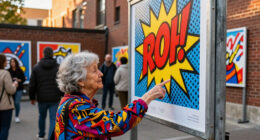
The event, which is held every three years, features a series of installations, workshops, and community-led projects within a newly designed space that emphasizes participatory design and social interaction. According to organizers, this space is intentionally flexible, allowing for ad-hoc activities and community-led interventions that challenge conventional notions of public art. The initiative has garnered significant online interest, with coverage surging in arts and urban planning circles, although specific details about the physical design and scope remain under wraps.
Sources familiar with the event indicate that the space integrates temporary and semi-permanent structures that encourage active participation rather than passive viewing. The project is also said to incorporate elements of social practice art, aiming to blur the boundaries between artists, communities, and public authorities. While the organizers have not publicly detailed the full design or funding sources, the emphasis on community-led processes marks a departure from traditional public art models.
Implications for Public Art and Urban Engagement
This development could influence future approaches to public space design by prioritizing community participation and social interaction. If successful, the model may inspire other cities and arts organizations to rethink how public spaces are used and who they serve. It also raises questions about funding, governance, and the role of artists in shaping civic environments. As public interest in alternative arts and community-led initiatives grows, this event may signal a broader shift toward more inclusive, adaptable urban spaces that foster dialogue and social cohesion.
interactive public art installations
As an affiliate, we earn on qualifying purchases.
As an affiliate, we earn on qualifying purchases.
Rising Interest in Participatory Public Arts
Over recent years, there has been a notable increase in interest around participatory and socially engaged art as a means of fostering community cohesion and addressing urban social issues. The trend reflects a broader movement away from traditional, static public art toward more dynamic, community-centered projects. The Counterpublic Triennial, which occurs every three years, has historically showcased experimental art forms, but its latest iteration appears to be pioneering a new approach to public space itself. The surge in media coverage and online searches indicates a growing public and professional curiosity about these models, although details remain limited and unconfirmed.
As an affiliate, we earn on qualifying purchases.
Details of the Space’s Design and Funding Remain Unclear
While the concept and intent are clear, specific details about the physical design, funding sources, and operational management of the new public space are still emerging. It is not yet confirmed how extensive or permanent the structures will be, or how community members are involved in decision-making processes beyond initial participation. The organizers have not provided comprehensive documentation or detailed plans, leaving some aspects of the project still under wraps.
As an affiliate, we earn on qualifying purchases.
Upcoming Public Engagements and Official Announcements
Organizers plan to hold a series of public workshops and open days over the coming months to gather community feedback and demonstrate the space’s evolving features. Further official details about the scope, funding, and long-term plans are expected to be announced at the event’s closing sessions. Observers will be watching for how the space is used in practice and whether it sustains community involvement beyond the initial launch.
As an affiliate, we earn on qualifying purchases.
Key Questions
What makes the Counterpublic Triennial’s public space different from traditional public art?
It emphasizes participatory design and community-led activities, allowing the public to actively shape the space rather than passively view art installations.
Will the new public space be permanent?
Details about the permanence of the structures are still unclear. The organizers describe it as a flexible, evolving environment, but specific plans are yet to be announced.
How is the project funded?
Funding sources have not been publicly disclosed, and the organizers have not provided detailed financial information. It is likely a combination of public and private support, but confirmation is pending.
What impact could this have on future public spaces?
If successful, this model could inspire other cities and arts organizations to adopt more participatory, community-centric approaches to urban and public art projects.
Who is involved in creating this new public space?
The project involves arts organizations, community groups, and urban planners, though specific names and roles have not been publicly detailed.
Source: rss
Fall Picks
fall essentials
As an affiliate, we earn on qualifying purchases.