
TL;DR
The Bayeux Tapestry exhibit at the British Museum is experiencing a sharp rise in worldwide media coverage. This surge is confirmed by data showing a 12-fold increase in mentions, though the reasons for this spike remain unconfirmed. The development highlights growing global interest in medieval artifacts.
Global media coverage of the Bayeux Tapestry exhibit at the British Museum has surged dramatically, with reports indicating a 12-fold increase in mentions across various outlets, according to recent data. This spike in attention is confirmed but the specific cause remains unverified, making it a notable development for cultural and historical audiences worldwide.
Recent data from the GDELT Project shows that the number of mentions of the Bayeux Tapestry at the British Museum has increased twelve times above its baseline level within the current window. This indicates a significant rise in global media interest, with coverage appearing across multiple countries and languages. The British Museum has not officially commented on the cause of this surge, and it is unclear whether it is linked to a new exhibition, a media feature, or a viral social media event.
Historically, the Bayeux Tapestry is an important medieval artifact depicting the Norman Conquest of England in 1066. Its display at the British Museum has been a major attraction, but the recent spike in coverage appears to be a new phenomenon, not tied to any announced special event or anniversary. Experts suggest that the increase may be related to broader media trends or external factors, but no definitive source has confirmed this.
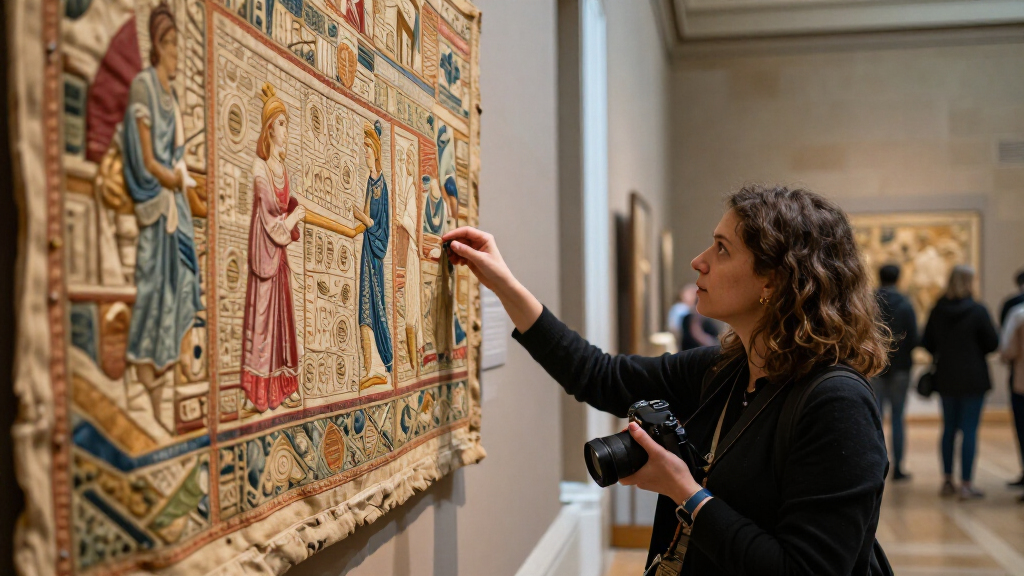
Media outlets from Europe, North America, and Asia have reported on the tapestry’s display, with some articles emphasizing its historical significance and artistic craftsmanship. Learn more about the British Museum’s recent media surge. Social media platforms are also seeing heightened activity related to the tapestry, although the exact driver of this attention remains unconfirmed as of now.
Why the Coverage Surge Matters for Cultural Heritage
The sudden rise in global media attention underscores the enduring importance of medieval artifacts like the Bayeux Tapestry in contemporary cultural discourse. It highlights how historical objects can capture public interest and stimulate discussions about history, art, and cultural identity. For museums and cultural institutions, such surges can boost visitor numbers and funding opportunities, but they also raise questions about the factors that drive media attention in the digital age.
Moreover, the spike may influence future exhibitions and educational programs, emphasizing the role of media in shaping public engagement with history. It also suggests that medieval artifacts continue to resonate with modern audiences, possibly connected to current global events or anniversaries, though these links are yet to be confirmed.
As an affiliate, we earn on qualifying purchases.
Historical and Recent Media Trends Surrounding the Tapestry
The Bayeux Tapestry has long been recognized as a key artifact of medieval European history, dating back to the 11th century. Its display at the British Museum has historically attracted scholarly interest and tourists alike. However, recent data indicates that media attention has surged unexpectedly, with mentions increasing twelvefold compared to previous periods. Such spikes are not unprecedented but are relatively rare and often associated with specific triggers, such as anniversaries, media features, or viral social media campaigns.
Prior to this surge, coverage of the tapestry was steady but modest, reflecting its significance among historians and art enthusiasts. The current spike is notable because it appears to be driven by a broad international interest, rather than localized or niche coverage. The exact cause of this recent attention remains unconfirmed, and analysts are watching for potential developments or official statements that might clarify the situation.
As an affiliate, we earn on qualifying purchases.
Unconfirmed Causes Behind the Media Attention Spike
It is not yet clear what specifically triggered the surge in global coverage of the Bayeux Tapestry. While some analysts speculate that a viral social media campaign, a recent documentary, or an anniversary might be involved, no official source has confirmed these hypotheses. The exact timing and nature of the driver remain under investigation, and further details are awaited.
As an affiliate, we earn on qualifying purchases.
Monitoring for Official Explanations and Future Coverage
Experts and media analysts will continue to monitor the situation for any official statements from the British Museum or related institutions. Attention will also focus on whether the coverage sustains or diminishes in the coming days. Additionally, institutions may consider leveraging this interest for educational or promotional purposes, but any strategic responses will depend on further developments.
As an affiliate, we earn on qualifying purchases.
Key Questions
What caused the recent surge in media coverage of the Bayeux Tapestry?
It is currently unconfirmed. The spike may be linked to a viral social media event, a new documentary, or an anniversary, but no official explanation has been provided.
No, the museum has stated that no such event has been announced at this time.
How long is the media interest expected to last?
It is uncertain. Analysts are watching for whether the coverage sustains or declines over the coming days or weeks.
Could this surge impact museum visitors or funding?
Potentially, increased media interest can boost visitor numbers and attract funding, but the actual impact depends on the duration and nature of the coverage.
Will further information be released about the cause of the coverage spike?
Yes, officials and analysts are likely to provide updates if new details emerge or if the museum makes an official statement.
Source: gdelt