
TL;DR
Get ready for Prime Big Deal Days — try Prime free
Exclusive member deals on October 6–7, plus fast free delivery. Cancel anytime.
Start your free trialAs an affiliate, we earn on qualifying purchases.
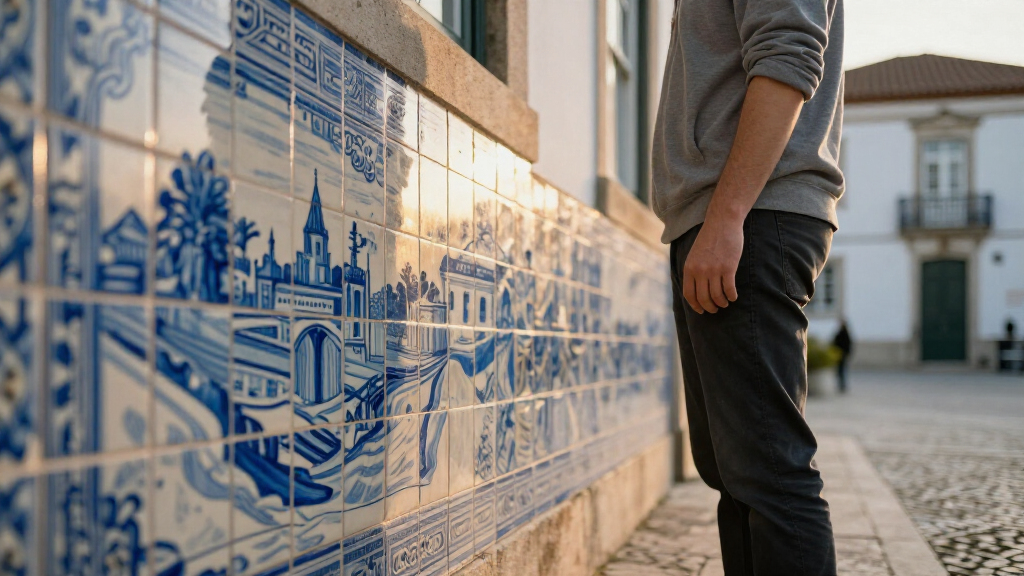
Portugal’s traditional azulejo tile art has been designated as a UNESCO World Heritage Site. This recognition underscores its cultural importance and boosts efforts to preserve this historic craft. For design ideas, see our article on top azulejo tile designs.
Portugal’s renowned azulejo tile art has been officially inscribed on the UNESCO World Heritage List, marking a significant milestone in the recognition of its cultural and artistic value. You can explore the 11 best azulejo tiles for inspiration. This designation aims to preserve and promote a craft that has shaped Portuguese identity for centuries.
The decision was announced by UNESCO officials on March 15, 2024, following a comprehensive evaluation of Portugal’s azulejo tradition, which dates back to the 15th century. The recognition covers major historical sites featuring azulejo work, including Lisbon’s historic neighborhoods and the city of Aveiro. According to UNESCO, the designation emphasizes the craft’s craftsmanship, historical significance, and its role in Portuguese cultural expression.
Local artisans and cultural authorities in Portugal welcomed the news, emphasizing that the status will help safeguard the tradition amid modern development pressures. The Portuguese government has committed to investing in preservation efforts and promoting azulejo as a cultural export. The craft involves intricate ceramic tile work, often featuring geometric patterns, floral motifs, and historical scenes, which have decorated buildings for centuries. If you’re interested in incorporating azulejo tiles into your space, check out our guide on the best azulejo tiles.
Cultural and Economic Impact of UNESCO Recognition
The UNESCO designation elevates azulejo from a traditional craft to a globally recognized cultural heritage, potentially increasing tourism and international interest in Portuguese art. Experts suggest this recognition will encourage preservation and innovation within the craft, supporting local artisans and cultural industries. It also highlights Portugal’s broader efforts to protect intangible cultural heritage, aligning with UNESCO’s goals of safeguarding diverse cultural expressions.
Furthermore, the status may influence similar recognition for other regional crafts, fostering a renewed appreciation for Portugal’s artistic traditions and boosting cultural diplomacy.
As an affiliate, we earn on qualifying purchases.
Historical Roots and Modern Preservation Challenges
Azulejo tiles originated in the Iberian Peninsula, with influences from Moorish, Roman, and Chinese decorative arts. The craft became prominent in Portugal during the 15th and 16th centuries, especially in religious and royal buildings. Over the centuries, azulejo evolved from simple decorative tiles to complex murals and storytelling panels. Despite its historical significance, the craft faces challenges from urban development, modernization, and a decline in traditional skills. Recent efforts by cultural institutions and artisans aim to revive and sustain the tradition, with UNESCO recognition serving as a catalyst.
“The UNESCO recognition affirms azulejo as a vital part of Portugal’s cultural identity and will help ensure its survival for future generations.”
— Maria Silva, Portuguese Art Historian
As an affiliate, we earn on qualifying purchases.
Uncertainties About Implementation and Broader Recognition
While the UNESCO designation is a major achievement, it remains unclear how effectively Portugal will implement preservation efforts and whether this recognition will lead to increased funding and international collaborations. Details about specific projects or policies to safeguard azulejo are still being developed, and the long-term impact on local artisans has yet to be assessed.
As an affiliate, we earn on qualifying purchases.
Next Steps for Preservation and Promotion of Azulejo
Portugal plans to establish dedicated preservation programs and cultural centers focused on azulejo, funded by national and EU resources. The government will also promote azulejo through international cultural festivals and partnerships. Monitoring and reporting on the impact of UNESCO recognition will be ongoing, with updates expected in the coming year. Local artisans and cultural organizations will play a key role in these initiatives.
As an affiliate, we earn on qualifying purchases.
Key Questions
What is azulejo?
Azulejo is a traditional Portuguese ceramic tile art, characterized by intricate geometric patterns, floral motifs, and storytelling scenes, used to decorate buildings and public spaces.
Why was azulejo recognized by UNESCO?
UNESCO recognized azulejo for its cultural significance, craftsmanship, and historical importance as a symbol of Portuguese identity and artistic heritage.
How will this recognition help preserve azulejo?
The designation encourages preservation efforts, increased funding, and international promotion, supporting artisans and safeguarding the craft for future generations.
Are there plans to expand azulejo recognition to other regions?
While the current focus is on Portugal, UNESCO and local authorities may consider recognizing similar regional crafts or expanding azulejo’s cultural programs in the future.
What challenges does azulejo face today?
Challenges include urban development pressures, declining traditional skills, and limited funding for preservation. Efforts are underway to address these issues.
Source: hn
Fall Picks
fall essentials
As an affiliate, we earn on qualifying purchases.
![There Will Come Soft Rains (1950) [Pdf]](https://leluxart.com/wp-content/uploads/2026/08/there-will-come-soft-rains-1950-pdf-featured-560x300.jpg)