TL;DR
Kiaf SEOUL 2026, marking its 25th anniversary, closed successfully with approximately 80,000 visitors. The event’s strong turnout suggests a possible rebound in the local art market, though full recovery remains uncertain.
The 25th anniversary of Kiaf SEOUL, South Korea’s leading art fair, concluded successfully with an estimated 80,000 attendees, according to organizers. The high turnout suggests a potential revival of the local art market after recent downturns caused by the pandemic and economic challenges. For more context, see Kiaf SEOUL 2026. This development is significant for artists, galleries, and collectors, as it indicates renewed interest and confidence in the art sector.
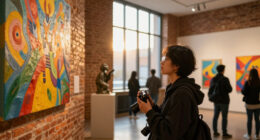
The event, held over several days in Seoul, drew a large crowd, with reports from the organizing committee confirming approximately 80,000 visitors. This figure surpasses expectations and reflects increased public engagement with contemporary and modern art. Notably, the fair featured over 200 galleries from 20 countries, highlighting its status as a major international platform. Experts suggest that the strong attendance could be a sign of the art market’s resilience, which had been heavily impacted by the COVID-19 pandemic and economic slowdowns. You can also explore the Seoul curator-led tour for more insights.
Organizers emphasized that the event was designed to foster new opportunities for artists and galleries and to stimulate local art consumption. Learn more about Kiaf SEOUL 2026 and its initiatives. The fair included various programs such as exhibitions, panel discussions, and networking events, which contributed to its vibrant atmosphere. Industry insiders noted that the attendance figures are encouraging and could signal a broader recovery trend in South Korea’s art scene, which has faced challenges such as reduced gallery openings and declining sales over the past few years.
Implications of High Attendance for Art Market Recovery
The successful conclusion of Kiaf SEOUL 2026 with around 80,000 visitors is seen as a positive indicator for the South Korean art market. Industry analysts believe that the event’s turnout demonstrates a renewed public interest in art consumption and investment. This could lead to increased gallery sales, greater artist exposure, and more international collaborations. However, experts caution that while the event signals optimism, the overall market recovery is still in early stages and dependent on broader economic factors and continued consumer confidence.
As an affiliate, we earn on qualifying purchases.
Kiaf SEOUL’s Role in the South Korean Art Scene
Founded in 1998, Kiaf SEOUL has grown to become one of Asia’s most prominent art fairs, serving as a key platform for local and international galleries to showcase contemporary and modern art. The fair has historically attracted thousands of visitors annually, but attendance dipped during the COVID-19 pandemic, reflecting broader challenges faced by the art industry worldwide. The 25th edition’s strong turnout marks a significant rebound, aligning with a global trend of increasing art market activity as pandemic restrictions ease and economic conditions stabilize.
Prior to this event, industry reports indicated a cautious optimism among gallery owners and collectors, with some suggesting that the art market was bottoming out after years of decline. The recent surge in interest, as evidenced by Kiaf SEOUL 2026, supports these claims and suggests that the sector may be entering a new growth phase.
As an affiliate, we earn on qualifying purchases.
Unconfirmed Extent of Market Recovery Post-Event
Although the high attendance at Kiaf SEOUL 2026 suggests a positive trend, it remains unclear whether this will translate into a sustained recovery of the overall art market in South Korea. Experts note that broader economic factors, such as economic growth, consumer confidence, and international trade, will influence future market performance. Additionally, the long-term impact of the event on gallery sales and artist exposure has yet to be fully measured.
As an affiliate, we earn on qualifying purchases.
Future Indicators of Art Market Growth to Watch
Industry observers will monitor gallery sales data, auction results, and new gallery openings over the next several months to assess if the positive momentum continues. Kiaf SEOUL plans to hold its next edition in 2027, which will serve as a key benchmark for sustained recovery. Additionally, policymakers and industry stakeholders may introduce supportive measures to bolster the sector’s growth, further shaping the trajectory of South Korea’s art market.
As an affiliate, we earn on qualifying purchases.
Key Questions
How many visitors attended Kiaf SEOUL 2026?
Approximately 80,000 visitors attended the event, according to organizers.
Does this event indicate a full recovery of the Korean art market?
While the high turnout is a positive sign, experts caution that full market recovery depends on broader economic factors and sustained growth in the coming months.
What were some highlights of Kiaf SEOUL 2026?
The fair featured over 200 galleries from 20 countries, with numerous exhibitions, panel discussions, and networking events aimed at boosting art engagement and sales.
What challenges does the Korean art market still face?
Challenges include economic uncertainties, reduced gallery openings during the pandemic, and fluctuating collector confidence, which may impact long-term recovery.
When is the next Kiaf SEOUL scheduled?
The next edition is planned for 2027, which will be important for assessing ongoing market trends.
Source: local