Islamic art beautifully blends geometry, calligraphy, and intricate patterns to create a sense of spiritual harmony. You’ll notice how precise designs symbolize divine order and encourage reflection. Calligraphy turns words into visual poetry, elevating language into a sacred art. Geometric patterns reflect the infinite nature of the universe and symbolize divine perfection. Together, these elements inspire awe and meditation, inviting you to explore how beauty embodies spiritual truths. Keep exploring to uncover more about this profound artistic tradition.

Get art and craft supplies delivered free — and shop member deals
- Fast, free delivery on millions of items
- Access to Prime Big Deal Days deals on October 6–7
- Prime Video, Amazon Music and more included
Key Takeaways
- Islamic art features intricate geometric patterns symbolizing divine infinity and unity through mathematical precision and repetition.
- Calligraphy transforms sacred texts into visual poetry, serving both decorative and spiritual purposes.
- Patterns and motifs emphasize harmony, balance, and meditation, reflecting the universe’s divine order.
- Artistic elements prioritize non-figurative forms to promote spiritual reflection and connection with the divine.
- The combination of geometry and calligraphy creates a seamless visual language that elevates spiritual experience.
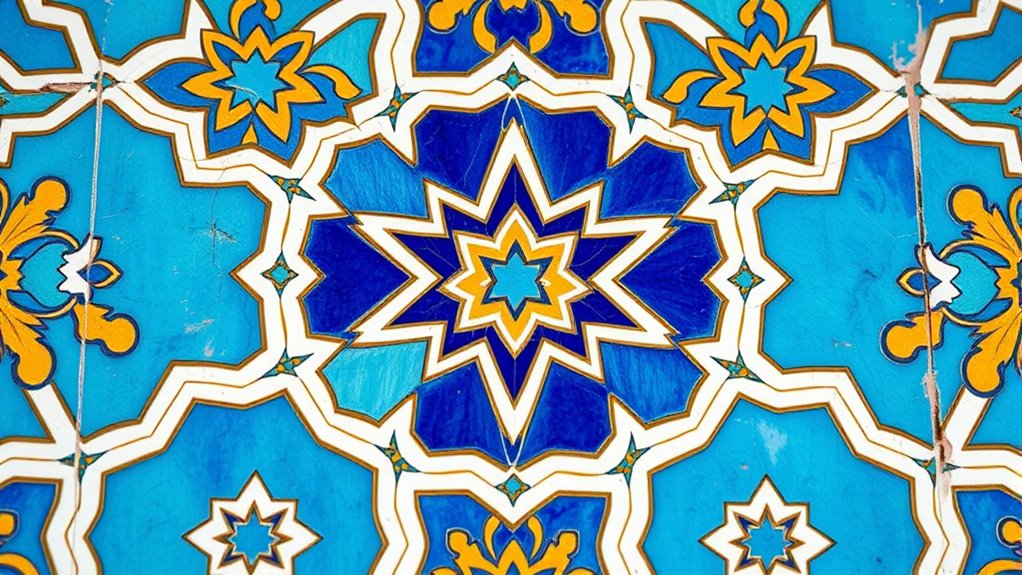
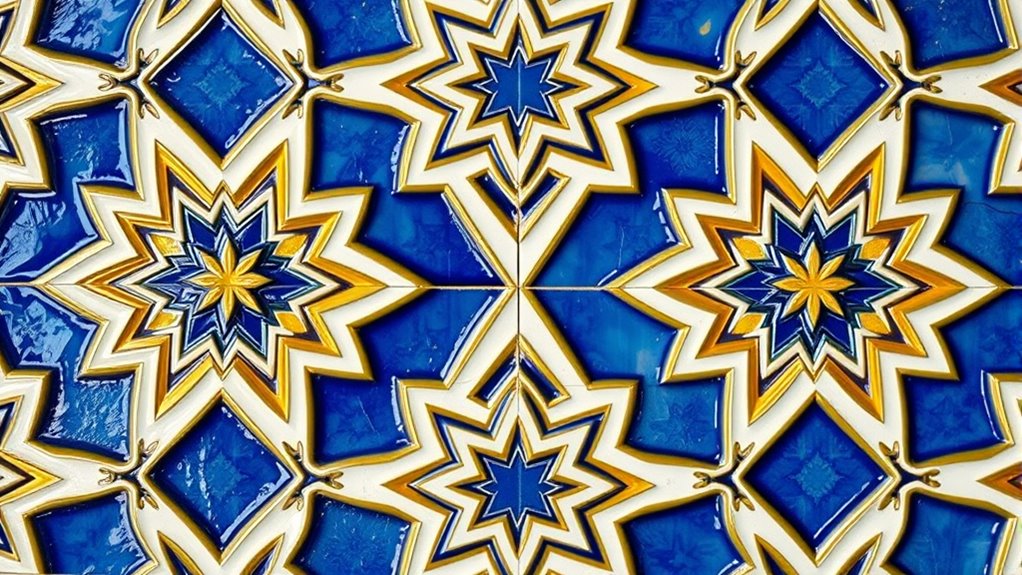
What makes Islamic art so mesmerizing is its intricate beauty and deep spiritual significance. You’re drawn into a world where every line, shape, and pattern reflects a profound connection to the divine. One of the most striking features is the mastery of calligraphic techniques. Instead of relying on figurative imagery, artists focus on elegant script that transforms words into visual poetry. This calligraphy isn’t just writing; it’s a sacred art form, often used to adorn mosques, manuscripts, and textiles. The fluidity and precision of the calligraphic techniques reveal a devotion to both craftsmanship and spirituality. You’ll notice how the flowing lines and carefully balanced compositions evoke a sense of harmony, guiding your eye across surfaces in a rhythmic dance. The calligraphic elements serve a dual purpose: conveying divine messages while also functioning as decorative motifs. They elevate written words into a visual language that transcends mere communication to become a spiritual experience. Geometric symbolism also plays a pivotal role in Islamic art, with complex star patterns, tessellations, and interlaced polygons that seem to extend infinitely. These geometric designs aren’t random; they embody a mathematical precision that signifies the infinite nature of Allah. By repeating and interlocking shapes, artists create a sense of unity and order that reflects the universe’s divine structure. The use of symmetry and intricate patterning draws your attention inward, encouraging contemplation and reflection. These geometric patterns also serve to break down the natural world into abstract forms, emphasizing the spiritual over the physical. As you observe these designs, you realize that they’re more than decoration—they’re visual metaphors for the divine creation, illustrating the harmony and balance inherent in Islamic cosmology. Together, calligraphic techniques and Geometric symbolism form a visual language that embodies Islamic spirituality. You can see how each element complements the other, creating a seamless harmony that elevates the viewer’s experience. Every line, curve, and pattern is deliberate, aiming to inspire awe and reverence. Islamic art’s focus on non-figurative forms encourages you to look beyond the physical and meditate on the divine principles that underpin the universe. It’s a testament to the culture’s commitment to beauty as a reflection of spiritual truth, inviting you to see the divine in every intricate detail.
As an affiliate, we earn on qualifying purchases.
Frequently Asked Questions
How Does Islamic Art Influence Contemporary Design?
You see Islamic art influence contemporary design through modern digital adaptations and textile work. You might notice intricate geometric patterns inspiring digital interfaces or decorative elements on websites. In textile design, traditional motifs are reimagined into contemporary fabrics, creating a fusion of heritage and innovation. This influence encourages you to appreciate how timeless patterns can be adapted for today’s aesthetics, blending history with modern technology seamlessly.
What Are the Origins of Geometric Patterns in Islamic Art?
You might think geometric patterns in Islamic art stem solely from aesthetic choices, but historical influences and cultural symbolism deeply shape their origins. These patterns evolved from earlier Byzantine and Persian designs, blending mathematical precision with spiritual meaning. They symbolize infinity and unity, reflecting Islamic beliefs. This rich history and cultural symbolism underpin the intricate geometric motifs, making them a profound expression of faith and artistic ingenuity.
How Is Calligraphy Integrated Into Architectural Structures?
You see calligraphy integrated into architectural structures through decorative inscriptions and muralism that adorn walls, domes, and arches. Artists inscribe verses from the Quran or poetic texts, transforming them into visual elements that enhance the space’s spiritual and aesthetic appeal. This integration creates a harmonious blend of art and architecture, where calligraphy becomes both a decorative and meaningful feature, emphasizing the cultural and religious significance within the structure.
Are There Regional Variations in Islamic Art Styles?
You’ll notice regional stylistic differences in Islamic art styles, shaped by unique cultural influences. In some areas, intricate geometric patterns dominate, while others emphasize vibrant calligraphy or floral motifs. These variations reflect local traditions, materials, and historical contexts, making each region’s art distinctive. By exploring these differences, you gain a richer understanding of how diverse cultures contribute to the vibrant tapestry of Islamic artistic expression.
What Materials Are Traditionally Used in Islamic Calligraphy?
You use traditional ink, parchment, and paper for Islamic calligraphy. The ink is usually made from soot or plant extracts, creating a deep, lasting black. Parchment, made from animal skins, and paper, crafted from cotton or linen, serve as your canvas. These materials allow for precise, flowing script, emphasizing the spiritual and artistic significance of calligraphy in Islamic culture. Your careful choice of materials enhances the beauty and durability of your work.
geometric Islamic pattern tapestry
As an affiliate, we earn on qualifying purchases.
As an affiliate, we earn on qualifying purchases.
Conclusion
You now see how Islamic art weaves intricate geometry, elegant calligraphy, and mesmerizing patterns to reflect spiritual harmony. These elements transform space into a divine experience, inviting you to explore their deeper meanings. Remember, “Beauty lies in the details,” and in Islamic art, every line and shape tells a story of faith and creativity. Embrace these masterpieces, and let them inspire your own sense of wonder and reflection.
Islamic art inspired decorative tiles
As an affiliate, we earn on qualifying purchases.
As an affiliate, we earn on qualifying purchases.
Islamic manuscript calligraphy prints
As an affiliate, we earn on qualifying purchases.
As an affiliate, we earn on qualifying purchases.
Fall Picks
fall essentials
As an affiliate, we earn on qualifying purchases.