
When choosing a rug, start with the right size by measuring your space carefully to guarantee it fits well under furniture or defines an area without overcrowding. Select a material that matches your lifestyle, like natural fibers for durability and eco-friendliness. Consider patterns that complement your decor — bold patterns add interest, while subtle designs create calm. Pay attention to the scale to enhance room perception. Keep exploring to find perfect options for your space.
Key Takeaways
- Measure your space carefully to select a rug that complements room size and furniture layout.
- Choose eco-friendly natural fibers like jute or hemp for durability and healthier indoor air quality.
- Opt for patterns that enhance room decor; bold designs create focal points, while subtle ones promote calm.
- Select a rug size that frames furniture or defines specific areas, avoiding overly small or large proportions.
- Consider pattern scale to influence room feel: large patterns add coziness, small patterns enhance openness.

Are you unsure how to select the perfect rug for your space? Choosing the right size, material, and pattern can seem overwhelming, but focusing on your specific needs makes it easier. When it comes to size, measure your space carefully. You want your rug to complement the room without overpowering it. In a living room, a rug that fits under all major furniture pieces creates a unified look, while in a smaller space, a rug that anchors a seating area can add warmth without cluttering. Avoid choosing a rug that’s too small or too big; aim for balance. If you’re unsure, opt for a slightly larger size, so it frames your furniture nicely.
Next, consider the material of the rug. Eco-friendly materials are increasingly popular because they’re sustainable and contribute to eco-friendly practices. Look for rugs made from natural fibers like jute, sisal, hemp, or organic cotton. These materials are durable and often easier to maintain, which is essential for rug maintenance. Natural fibers tend to resist wear and tear better over time and are less likely to trap dust and allergens, making them a healthier choice for your home. Additionally, eco-friendly rugs often feature dyes and production methods that are less harmful to the environment, giving you peace of mind about your ecological footprint.
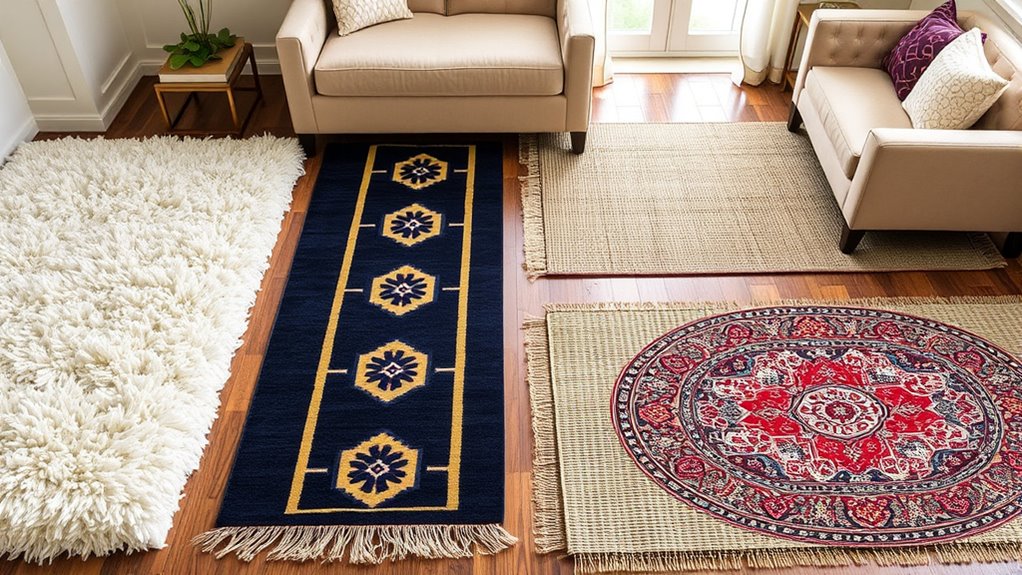
The pattern of your rug plays a key role in tying your room’s look together. Bold, geometric patterns can make a statement and add visual interest, while subtle, neutral designs create a calm and cohesive atmosphere. When selecting a pattern, think about your existing decor and how much you want the rug to stand out. If your space is already busy with patterns and colors, a more subdued rug might be best. Conversely, if your room is mostly neutral, a patterned rug can serve as a focal point. Remember that patterns can also influence the perceived size of a room—larger patterns can make a space feel more intimate, while smaller patterns may give a sense of openness.

8×10 Area Rugs for Living Room: Washable Abstract Black Grey Gold Carpet
- Ultra-Soft Low Pile: Durable faux wool fibers, 0.25'' thick
- Machine Washable: Easy to clean and maintain
- Non-Slip Backing: Upgraded TPE rubber prevents slipping
As an affiliate, we earn on qualifying purchases.
As an affiliate, we earn on qualifying purchases.
Frequently Asked Questions
How Do I Clean and Maintain Different Rug Materials?
To clean and maintain different rug materials, follow these rug cleaning tips and maintenance routines. For wool rugs, vacuum regularly and spot clean with a mild detergent. For synthetic rugs, use a gentle cleaner and avoid excess water. Oriental or delicate rugs may require professional cleaning. Always check manufacturer instructions, and vacuum frequently to prevent dirt buildup. Regular maintenance keeps your rugs looking fresh and extends their lifespan.
What Are the Best Rug Options for High-Traffic Areas?
Don’t be a digital damsel stuck on delicate rugs; opt for durable options in high-traffic areas. You want materials like nylon or polypropylene because they’re tough and easy to clean, ensuring longevity. Patterned rugs hide stains and wear better, maintaining aesthetic appeal over time. Prioritize durability considerations to keep your space stylish and functional, even when busy feet and messes abound. Rug choice should balance resilience with style—think of it as your modern-day armor for flooring.
How Can I Prevent Rugs From Slipping or Sliding?
To prevent rugs from slipping or sliding, you should use non-slip rug pads underneath. These pads provide extra grip and keep your rug securely in place. Additionally, rug grippers or adhesive strips can be applied to the corners or edges for added stability. Make sure the rug pad fits well and is appropriate for your rug’s size and material. This simple step guarantees safety and prevents accidents.
Are There Eco-Friendly Rug Options Available?
Yes, eco-friendly rug options are available. You can find rugs made from sustainable fibers like jute, sisal, or organic wool, which are grown without harmful chemicals. Additionally, look for rugs crafted from recycled materials such as recycled plastic bottles or fabric remnants. These options help reduce environmental impact while adding style to your space. Always check for certifications like OEKO-TEX or Green Label to verify they’re truly eco-conscious.
How Do I Choose a Rug That Complements My Existing Decor?
To choose a rug that complements your existing decor, focus on decor matching and color coordination. Pick a rug with colors that harmonize with your walls, furniture, and accents. Consider the style—whether modern, traditional, or eclectic—and select patterns that enhance your space without clashing. Keep the size proportionate to your room, ensuring it ties everything together seamlessly, creating a cohesive and inviting environment.

HOMEMONDE Solid Braided 8'x10' Jute Area Rug Natural – Eco Friendly Premium Fiber – Durable and Reversible Handwoven Farmhouse Rugs for Living Room, Hallway, Bedroom, Dinning Room, Kitchen, Office
- Material: 100% Natural Jute Fibers
- Size: 8'x10' Rectangle Rug
- Eco-Friendly: Biodegradable and Handmade
As an affiliate, we earn on qualifying purchases.
As an affiliate, we earn on qualifying purchases.
Conclusion
Choosing the right rug transforms your space more than you might imagine—it’s like giving your room a whole new personality. Remember to contemplate size, material, and pattern carefully, and trust your instincts. When you pick the perfect rug, your room will shine brighter than the sun itself, making every moment spent there feel warm and inviting. Don’t rush the process; your ideal rug is waiting to turn your space into something truly extraordinary.
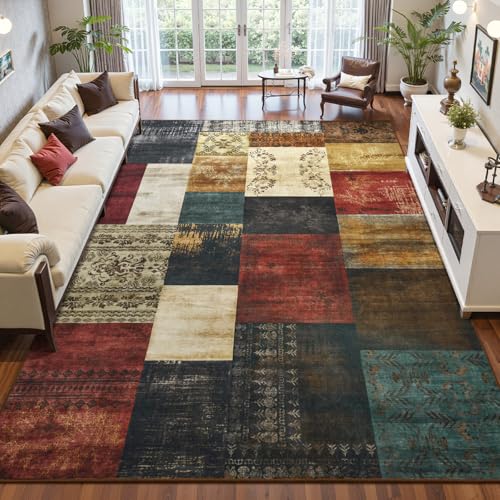
DweIke Washable Area Rugs 5×7 for Living Room, Modern Geometric Colorful Soft Patchwork Carpet, Non-Slip Stain Resistant Throw Rug for Bedroom Dining Room Office Home Decor
- Design: Geometric color-blocking pattern
- Size: 5×7 feet for versatile spaces
- Non-Slip Backing: Upgraded TPR anti-slip bottom
As an affiliate, we earn on qualifying purchases.
As an affiliate, we earn on qualifying purchases.

Aoyaomi Vintage Living Room Area Rug – 5×7 Large Machine Washable Boho Area Rug Distressed Floral Rugs for Bedroom, Soft Non-Slip Indoor Floor Accent Rugs for Office Dining Room (Cream Beige, 5'x7')
- Vintage Design: Faded Moroccan medallion pattern
- Soft & Eco-Friendly: Cotton-like, certified eco-friendly material
- Non-Slip Safety: Non-slip backing for stability
As an affiliate, we earn on qualifying purchases.
As an affiliate, we earn on qualifying purchases.