
TL;DR

Get art and craft supplies delivered free — and shop member deals
- Fast, free delivery on millions of items
- Access to Prime Big Deal Days deals on October 6–7
- Prime Video, Amazon Music and more included
The Metropolitan Museum of Art has brokered the return of three Nigerian artworks. This development highlights ongoing efforts to address historical looting and repatriation, with broader implications for cultural heritage restitution.
The Metropolitan Museum of Art has facilitated the return of three Nigerian artworks to their country of origin, marking a significant milestone in ongoing efforts to address historical looting and provenance issues. This development underscores the growing international focus on repatriation and the role of major institutions in correcting historical wrongs.
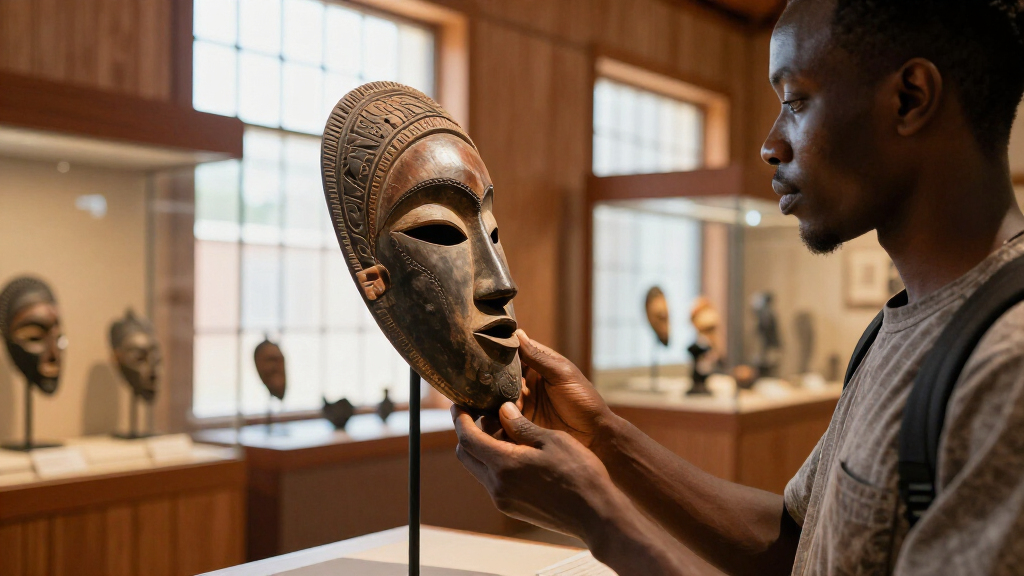
According to sources familiar with the matter, the Met Museum brokered the return of three artworks believed to have been looted or acquired under questionable circumstances from Nigeria. The artworks include traditional masks and sculptures, which are now officially handed over to Nigerian authorities. The museum has not publicly disclosed the specific details of the provenance investigations but confirmed that the pieces were part of a broader effort to rectify past acquisitions.
Officials from Nigeria welcomed the return, emphasizing its importance for cultural heritage preservation. The Nigerian government has long called for the repatriation of looted artifacts, citing concerns over cultural loss and the importance of restoring national heritage. The artworks are expected to be displayed in Nigerian museums and cultural institutions once the formal procedures are completed.
The Met Museum’s role in this process reflects a broader trend among major Western institutions increasingly engaging in provenance research and repatriation initiatives. While the specifics of the negotiations remain confidential, this case is viewed as a positive step toward addressing historical injustices linked to colonial-era looting.
Implications for Repatriation Efforts and Cultural Heritage
This development signifies a notable shift in how leading art institutions are handling provenance concerns, especially related to African artifacts. It highlights a growing willingness among museums to cooperate with source nations and to recognize the importance of returning cultural treasures. For Nigeria, the return of these artifacts is a step toward reclaiming national identity and cultural sovereignty. Globally, this case may influence other institutions to review their collections and engage in similar repatriation efforts, fostering a more ethical approach to cultural heritage management.
traditional Nigerian masks replica
As an affiliate, we earn on qualifying purchases.
As an affiliate, we earn on qualifying purchases.
Historical Looting and International Repatriation Trends
The issue of looted artifacts from Africa, particularly during colonial periods, has gained increased attention over recent years. Many artifacts in Western museums were acquired under questionable circumstances, often involving colonial exploitation or illicit trade. Nigeria, along with other African nations, has actively sought the return of cultural objects to restore their heritage. Major institutions like the Met have faced mounting pressure to address these concerns, leading to increased provenance research and collaborative repatriation efforts.
This specific case aligns with a broader trend of museums reevaluating their collections and engaging in diplomatic negotiations to return artifacts. While some returns have been voluntary, others have involved complex legal and diplomatic processes. The current development is part of a larger movement toward ethical stewardship of cultural property.
As an affiliate, we earn on qualifying purchases.
Details of the Provenance and Negotiation Process
It remains unclear exactly how the artworks were identified as looted or illicit, and the specific negotiations involved. The museum has not disclosed detailed provenance research or the legal framework underpinning the return. It is also uncertain whether this case will set a precedent for future repatriations or remain an isolated instance.
museum-quality artifact display case
As an affiliate, we earn on qualifying purchases.
As an affiliate, we earn on qualifying purchases.
Next Steps for Nigerian Cultural Institutions
Following the return, Nigerian authorities plan to incorporate the artifacts into national museums and cultural programs. There is an expectation that further collaborations with international institutions will occur, potentially leading to additional repatriation agreements. The Nigerian government may also seek to strengthen provenance research and legal frameworks to facilitate future claims.
Meanwhile, the Met and other museums are likely to continue reviewing their collections, especially those with questionable provenance, in response to global calls for ethical stewardship and transparency.
cultural heritage preservation books
As an affiliate, we earn on qualifying purchases.
As an affiliate, we earn on qualifying purchases.
Key Questions
What types of artifacts were returned?
The artifacts include traditional masks and sculptures, which are significant to Nigerian cultural heritage.
Why are these artifacts being returned now?
The return follows increased provenance research, international pressure, and a broader movement toward repatriation of looted artifacts.
Will these artifacts be displayed in Nigeria?
Yes, Nigerian authorities plan to incorporate the artifacts into national museums and cultural exhibits.
Is this part of a larger trend?
Yes, this case reflects a growing global movement among museums to address provenance issues and return looted cultural objects.
Are there legal challenges involved?
The specifics of the legal process are not publicly detailed, but negotiations typically involve diplomatic and legal considerations.
Source: rss
Fall Picks
fall essentials
As an affiliate, we earn on qualifying purchases.