Searching for the best photography books? Whether you’re a beginner, an enthusiast, or a seasoned pro, choosing the right book can transform your understanding and approach. The top picks include comprehensive guides like Digital Photography Complete Course for those wanting a structured learning path, and iconic collections such as Ansel Adams: 400 Photographs for lovers of classic landscape imagery. Each option balances depth, accessibility, and inspiration, but they also come with tradeoffs—more technical books can be dense, while visual collections might lack practical advice. Continue reading for a detailed breakdown of what makes each of these books stand out and how to find the best fit for your needs.
Key Takeaways
- The best photography books offer a mix of technical guidance and inspiring imagery, catering to different learning styles.
- Iconic collections like Ansel Adams’ work provide timeless inspiration but may lack practical shooting tips.
- Beginner-friendly guides often focus on foundational concepts and straightforward advice, but may oversimplify advanced techniques.
- Higher-end books or collections tend to be more comprehensive or luxurious, justifying their higher price points for serious enthusiasts.
- Choosing the right book depends heavily on your skill level, goals, and whether you prefer hands-on learning or visual inspiration.
| Digital Photography Complete Course: Learn Everything You Need to Know in 20 Weeks |  | Best Overall | Duration: 20 weeks | Target Audience: Beginners and enthusiasts | Coverage: Fundamental photography skills | VIEW LATEST PRICE | See Our Full Breakdown |
| Ansel Adams: 400 Photographs |  | Best for Art and Landscape Photography Appreciation | Number of Photos: 400 | Focus: Landscape Photography | Format: Hardcover | VIEW LATEST PRICE | See Our Full Breakdown |
| Stunning Digital Photography |  | Best for Beginners Looking for Practical Tips | Target Audience: Beginners and enthusiasts | Content Focus: Practical techniques | Approach: Step-by-step guidance | VIEW LATEST PRICE | See Our Full Breakdown |
| The Photography Bible: All You Need to Know to Take Perfect Photos |  | Best for Beginners and Enthusiasts Seeking a Practical Reference | Coverage: Fundamentals of photography | Intended Audience: Beginners and enthusiasts | Practical Tips: Yes | VIEW LATEST PRICE | See Our Full Breakdown |
| Ansel Adams: The Camera (The Ansel Adams Photography Series 1) |  | Best for Technical Insights into Adams’ Camera Techniques | Focus: Camera techniques and process | Series: The Ansel Adams Photography Series | Target Audience: Photography enthusiasts | VIEW LATEST PRICE | See Our Full Breakdown |
| The Negative (Ansel Adams Photography) |  | Best Technical Insight into Ansel Adams’s Creative Process | Format: Hardcover | Pages: 96 | Publisher: Aperture | VIEW LATEST PRICE | See Our Full Breakdown |
| National Geographic Stunning Photographs |  | Best Visual Inspiration Collection | Format: Paperback | Pages: 224 | Publisher: National Geographic | VIEW LATEST PRICE | See Our Full Breakdown |
| Bill Cunningham: On the Street: Five Decades of Iconic Photography |  | Best for Fashion and Street Style Enthusiasts | Format: Hardcover | Pages: 256 | Publisher: Little, Brown and Company | VIEW LATEST PRICE | See Our Full Breakdown |
| National Geographic Photo Basics: The Ultimate Beginner’s Guide to Great Photography |  | Best Beginner Guide with Practical Tips | Format: Paperback | Pages: 144 | Publisher: National Geographic | VIEW LATEST PRICE | See Our Full Breakdown |
| Understanding Exposure, Fourth Edition: How to Shoot Great Photographs with Any Camera |  | Best for Mastering Exposure Techniques | Format: Paperback | Pages: 224 | Publisher: New Riders | VIEW LATEST PRICE | See Our Full Breakdown |
| Vivian Maier: A Photographer Found | 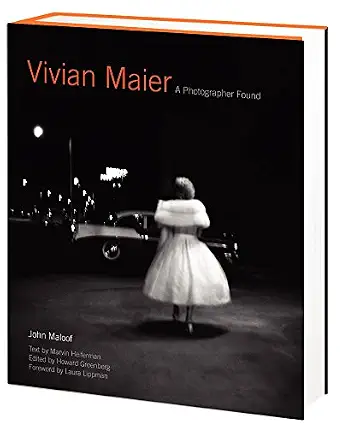 | Best for Discovering a Mysterious Artistic Voice | Format: Hardcover | Page Count: 224 pages | Publication Year: 2014 | VIEW LATEST PRICE | See Our Full Breakdown |
| Ansel Adams in the National Parks: Photographs from America’s Wild Places |  | Best for Nature and Landscape Photography Enthusiasts | Format: Hardcover | Page Count: 144 pages | Publication Year: 2010 | VIEW LATEST PRICE | See Our Full Breakdown |
| There and Back: Photographs from the Edge |  | Best for Adventure and Landscape Photography with a Narrative | Format: Hardcover | Page Count: 192 pages | Publication Year: 2022 | VIEW LATEST PRICE | See Our Full Breakdown |
| photography book | Format | Publication Year | Publisher | Language |
|---|---|---|---|---|
| Digital Photography Complete C | Self-paced | — | — | — |
| Ansel Adams: 400 Photographs | Hardcover | 2000 | — | — |
| Stunning Digital Photography | — | — | — | |
| The Photography Bible: All You | — | — | — | |
| Ansel Adams: The Camera | Book | — | — | — |
| The Negative | Hardcover | 1984 | Aperture | English |
| National Geographic Stunning P | Paperback | 2019 | National Geographic | English |
| Bill Cunningham: On the Street | Hardcover | 2018 | Little, Brown and Company | English |
| National Geographic Photo Basi | Paperback | 2014 | National Geographic | English |
| Understanding Exposure | Paperback | 2016 | New Riders | English |
| Vivian Maier: A Photographer F | Hardcover | 2014 | Harper Design | English |
| Ansel Adams in the National Pa | Hardcover | 2010 | Little, Brown and Company | English |
| There and Back: Photographs fr | Hardcover | 2022 | Rizzoli | English |
More Details on Our Top Picks
Digital Photography Complete Course: Learn Everything You Need to Know in 20 Weeks
This comprehensive course stands out for its structured 20-week curriculum designed to guide beginners through the fundamentals of digital photography. Unlike books like Stunning Digital Photography, which offers tips without a clear learning path, this course provides a step-by-step approach that builds skills progressively. While it covers essential techniques, it lacks specific features, updates, or supplementary materials, which could limit its depth for more advanced learners. Its primary strength is the clear, organized progression suited for those who prefer a learning schedule. However, without reviews or a detailed syllabus, some may find it too generic or limited in scope.
Pros:- Structured 20-week curriculum for gradual learning
- Ideal for beginners and those looking for foundational skills
- Covers essential photography concepts clearly
Cons:- No detailed features listed or updated content
- Lacks customer reviews or feedback for validation
Best for: Beginners and enthusiasts seeking a structured, paced introduction to digital photography
Not ideal for: Experienced photographers looking for advanced techniques or specific technical updates
- Duration:20 weeks
- Target Audience:Beginners and enthusiasts
- Coverage:Fundamental photography skills
- Content Type:Online course
- Format:Self-paced
- Materials Included:None specified
Our verdict“This course is perfect for newcomers wanting a guided, paced introduction to digital photography, but it may feel too basic for advanced users.”
Ansel Adams: 400 Photographs
This collection showcases 400 iconic images by Ansel Adams, highlighting his mastery of landscape photography and his influence on American art. Compared with Ansel Adams: The Camera, which dives into his technical approach, this volume offers a visual feast that emphasizes his artistic vision. Its lack of commentary or technical insights means it’s more suited for those interested in viewing his work rather than understanding his process. For fans and collectors, this book provides an inspiring overview, but those seeking technical guidance may find it limited.
Pros:- Extensive collection of Adams’ best work
- High-quality reproductions with great detail
- Excellent for appreciating landscape photography as art
Cons:- No commentary or technical context included
- Limited to images without insights into techniques
Best for: Art lovers and landscape photography enthusiasts wanting a comprehensive visual collection
Not ideal for: Photographers seeking technical insights or detailed process explanations
- Number of Photos:400
- Focus:Landscape Photography
- Format:Hardcover
- Publication Year:2000
- Intended Audience:Art lovers and photography fans
- Comments or Essays:None
Our verdict“Ideal for those who want to experience Ansel Adams’ landscape mastery visually, rather than learn his technical methods.”
Stunning Digital Photography
This book offers a practical guide to digital photography techniques, making it a solid choice for those new to the craft. Unlike The Photography Bible, which covers a broad range of fundamentals, this title emphasizes actionable tips to improve image quality. However, it lacks specific product features, updates, or technical details, which could leave more advanced users wanting. Its focus on techniques makes it a useful starting point, but without detailed explanations or new content, it may not satisfy those seeking in-depth learning or recent innovations.
Pros:- Provides detailed, actionable photography techniques
- Easy to understand for beginners
- Focuses on improving image quality consistently
Cons:- Lacks specific features or recent updates
- Limited content depth for advanced users
Best for: Beginner photographers seeking straightforward advice on capturing better images
Not ideal for: Experienced photographers or those looking for the latest digital camera innovations
- Target Audience:Beginners and enthusiasts
- Content Focus:Practical techniques
- Approach:Step-by-step guidance
- Edition:Latest available
- Format:Print
- Supplementary Materials:None
Our verdict“A practical guide for beginners eager to improve their digital images, but not suited for those seeking advanced or up-to-date information.”
The Photography Bible: All You Need to Know to Take Perfect Photos
This guide offers broad, practical advice on camera settings, composition, and lighting, making it suitable for those wanting a one-stop reference. Compared to Ansel Adams: 400 Photographs, which is purely visual, this book emphasizes actionable techniques that can immediately improve your photos. Its coverage of fundamentals is comprehensive, but it doesn’t include detailed technical specs or advanced content, which could disappoint experienced photographers. It’s best for users who need clear, practical tips without the depth of technical complexity.
Pros:- Comprehensive coverage of core photography techniques
- Practical advice applicable to all skill levels
- Suitable for beginners and enthusiasts alike
Cons:- Lacks detailed technical specifications
- No included accessories or advanced content
- Content may be too basic for seasoned professionals
Best for: Beginners and hobbyists who want a practical, easy-to-understand reference book
Not ideal for: Advanced photographers seeking in-depth technical details or specialized topics
- Coverage:Fundamentals of photography
- Intended Audience:Beginners and enthusiasts
- Practical Tips:Yes
- Detailed Specs:No
- Format:Print
- Additional Content:None
Our verdict“A practical, broad reference ideal for beginners and hobbyists who want straightforward guidance without technical overload.”
Ansel Adams: The Camera (The Ansel Adams Photography Series 1)
This volume digs into the technical side of Ansel Adams’ work, focusing on camera techniques and insights into his creative process. Compared with Ansel Adams: 400 Photographs, which emphasizes visual impact, this book provides a deeper understanding of his technical mastery. However, it offers limited content details and no overview of the book’s format or edition, which might leave some readers uncertain about its depth or usability. It’s a strong pick for those interested in the mechanics behind Adams’ iconic images, but not for users seeking a broad overview of his portfolio.
Pros:- In-depth insights into Adams’ camera techniques
- Ideal for those interested in technical mastery
- Part of a series that explores his creative process
Cons:- Limited information about the book’s format or detailed content
- No overview of included images or supplementary materials
Best for: Photography enthusiasts and fans wanting to explore Adams’ technical approach and camera mastery
Not ideal for: Casual readers or those wanting a broad overview of Adams’ art without technical focus
- Focus:Camera techniques and process
- Series:The Ansel Adams Photography Series
- Target Audience:Photography enthusiasts
- Content Type:Technical insights
- Format:Book
- Edition:Series 1
Our verdict“Perfect for enthusiasts who want to understand the technical aspects behind Ansel Adams’ legendary landscape images, but less suitable for casual readers.”
The Negative (Ansel Adams Photography)
This book stands out for its deep dive into Ansel Adams’s negative development techniques, offering valuable insights for serious enthusiasts eager to understand the craft behind his iconic black-and-white images. Compared to more general photography guides like National Geographic Stunning Photographs, which focus on beautiful images without technical explanation, The Negative provides a behind-the-scenes view of Adams’s process. While it excels in technique, it doesn’t include much background or contextual content, making it less suited for those seeking broad inspiration or artistic stories. Ideal for dedicated film photographers or those interested in traditional darkroom techniques, this book sacrifices accessibility for technical depth.
Pros:- Provides in-depth insights into Ansel Adams’s negative development process
- Great for understanding traditional photographic techniques
- Appeals to dedicated film shooters and darkroom enthusiasts
Cons:- Limited content on composition or artistic themes
- Lacks detailed specifications or supplementary material
Best for: Serious film photographers and students who want to master negative development techniques used by Adams.
Not ideal for: Casual photographers or those seeking inspiration without technical detail, as it lacks visual storytelling and modern digital techniques.
- Format:Hardcover
- Pages:96
- Publisher:Aperture
- Language:English
- Publication Year:1984
- ISBN:0821221868
Our verdict“This book is best suited for photographers interested in film development and Adams’s technical mastery rather than general inspiration.”
National Geographic Stunning Photographs
This collection shines for its stunning, high-quality images that span landscapes, wildlife, and cultural scenes, making it perfect for anyone seeking visual inspiration. Compared with Bill Cunningham: On the Street, which captures fashion and street style, this volume offers a broader scope of subjects with breathtaking imagery. However, it contains no educational commentary or technical insights, limiting its usefulness for those wanting to learn photography fundamentals. This pick makes the most sense for casual viewers and decor enthusiasts who want beautiful images without technical distraction. If you’re after learning or technique, you’d need to look elsewhere, like Understanding Exposure.
Pros:- Beautiful, high-resolution images from around the world
- Great for decoration and visual inspiration
- Diverse subjects provide broad appeal
Cons:- No educational content or commentary
- Limited to visual content without technical context
Best for: Photography lovers who want inspiring wall art or a quick visual escape from the daily grind.
Not ideal for: Aspiring photographers seeking technical guidance or detailed photography tips, as it offers no instructional content.
- Format:Paperback
- Pages:224
- Publisher:National Geographic
- Language:English
- Publication Year:2019
- ISBN:1426213921
Our verdict“Ideal for casual viewers and decor purposes, this collection delivers stunning images but little in technical guidance.”
Bill Cunningham: On the Street: Five Decades of Iconic Photography
This collection stands out for its extensive archive of Bill Cunningham’s street photography, capturing five decades of fashion and urban life with timeless appeal. Unlike the technical focus of Understanding Exposure, this book emphasizes storytelling and style, making it perfect for those interested in fashion photography or documentary work. However, it offers limited technical guidance or camera details, which could be a drawback for readers wanting to improve their technical skills. Also, the lack of detailed specifications makes it less appealing for collectors seeking comprehensive product info. This pick makes the most sense for fashion enthusiasts and street photography fans who value cultural storytelling over technical instruction.
Pros:- Rich collection of iconic street and fashion photography
- Showcases five decades of Cunningham’s work
- Excellent for inspiration and understanding street style evolution
Cons:- No technical or camera-specific guidance
- Lacks detailed product specifications
Best for: Fashion and street style photographers or enthusiasts looking for inspiration from a legendary figure.
Not ideal for: Beginners or technical photographers seeking camera settings or shooting tips, as it focuses solely on content and style.
- Format:Hardcover
- Pages:256
- Publisher:Little, Brown and Company
- Language:English
- Publication Year:2018
- ISBN:1524763500
Our verdict“Best suited for those interested in fashion storytelling and street photography as an art form, not as a technical guide.”
National Geographic Photo Basics: The Ultimate Beginner’s Guide to Great Photography
This book excels as an accessible introduction to photography, offering practical tips and fundamental concepts that help newcomers improve quickly. Compared with Understanding Exposure, which provides more detailed technical guidance, Photo Basics simplifies core ideas, making it easier for absolute beginners to grasp. While it is comprehensive for beginners, it does not delve into advanced camera settings or complex techniques, which might leave more experienced photographers wanting more depth. Nonetheless, for starting out, this guide provides a solid foundation. Ideal for beginners who want straightforward advice without technical overload.
Pros:- Clear, beginner-friendly explanations
- Includes practical, actionable photography tips
- Published by the reputable National Geographic
Cons:- Lacks detailed technical camera settings
- Might be too basic for experienced photographers
Best for: Novice photographers just starting their journey and seeking easy-to-understand guidance.
Not ideal for: Intermediate or advanced photographers who need detailed settings or advanced techniques, as it remains surface-level.
- Format:Paperback
- Pages:144
- Publisher:National Geographic
- Language:English
- Publication Year:2014
- ISBN:1426219709
Our verdict“Designed for absolute beginners, this book provides straightforward advice to help new photographers get started confidently.”
Understanding Exposure, Fourth Edition: How to Shoot Great Photographs with Any Camera
This book offers comprehensive guidance on exposure, making it invaluable for photographers of all skill levels aiming to improve their control over light. Unlike National Geographic Photo Basics, which covers basic concepts, Understanding Exposure dives deep into how to manage aperture, shutter speed, and ISO for perfect shots. It equips readers with practical, adaptable techniques that work across all camera types, including smartphones. However, it does not include technical specifications or accessories, which might limit advanced users seeking additional resources. This pick makes the most sense for those who want to truly understand how to manipulate exposure for better images, regardless of their camera.
Pros:- Extensive coverage of exposure techniques
- Applicable to all camera types and skill levels
- Practical tips for improving exposure control
Cons:- No detailed specifications or digital content
- May be too technical for absolute beginners
Best for: Photographers seeking a thorough understanding of exposure to improve their technical control and creativity.
Not ideal for: Casual shooters or those only interested in composition without technical depth, as it emphasizes exposure mastery.
- Format:Paperback
- Pages:224
- Publisher:New Riders
- Language:English
- Publication Year:2016
- ISBN:1607748509
Our verdict“Ideal for photographers who want to master exposure fundamentals and apply them across different cameras for better results.”
Vivian Maier: A Photographer Found
This book stands out for revealing the enigmatic story behind Vivian Maier’s captivating street photography, offering readers a deep dive into her compelling images and the mystery surrounding her life. Unlike more technical books, it emphasizes her artistic perspective and historical significance, making it ideal for those interested in the stories behind the images. However, it falls short on technical details or photography tips, focusing mainly on her visual legacy. Compared with books like Ansel Adams in the National Parks, which concentrates on landscape mastery, this one provides a human and artistic narrative, but at the expense of technical insights. This pick makes the most sense for readers eager to explore the life of a posthumously discovered artist and her unique viewpoint.
Pros:- Provides an in-depth look at Vivian Maier’s life and work
- Includes a diverse collection of her compelling images
- Offers valuable historical context about her mysterious background
Cons:- Lacks technical details or camera specifications
- Limited content beyond the photographic collection and background story
Best for: Readers interested in the stories behind iconic, candid street photography and Vivian Maier’s artistic legacy
Not ideal for: Photographers seeking technical advice or detailed camera settings; they may find this book lacking in practical guidance
- Format:Hardcover
- Page Count:224 pages
- Publication Year:2014
- Language:English
- Dimensions:9.3 x 1.1 x 11 inches
- Publisher:Harper Design
Our verdict“This book is perfect for those fascinated by Vivian Maier’s story and her evocative street photography, rather than technical learning.”
Ansel Adams in the National Parks: Photographs from America’s Wild Places
This collection showcases Ansel Adams’ stunning black-and-white images of America’s most iconic national parks, making it a visual feast for landscape lovers. The high-quality printing emphasizes the details and contrasts that Adams masterfully captured, standing out from more general photography books like Stunning Digital Photography which may lack such iconic imagery. Unlike Understanding Exposure, which focuses on camera techniques, this book is about the artistry of landscape composition and the natural beauty of wild America. It’s an excellent gift for those passionate about nature photography, though it doesn’t include background stories or technical insights about each shot, limiting its educational value for budding photographers. If you value breathtaking visuals above technical instruction, this book is a perfect fit.
Pros:- Stunning, iconic images of national parks
- High-quality printing enhances image clarity and detail
- A perfect gift for nature lovers and photography collectors
Cons:- No additional commentary or technical background
- Limited information on the locations or story behind each photograph
Best for: Nature and landscape photography fans seeking iconic images of American national parks
Not ideal for: Beginners or photographers looking for detailed technical guidance; this is mainly a visual collection with little explanatory content
- Format:Hardcover
- Page Count:144 pages
- Publication Year:2010
- Language:English
- Dimensions:11.4 x 1.2 x 9.2 inches
- Publisher:Little, Brown and Company
Our verdict“Ideal for viewers who want to enjoy Adams’ breathtaking landscapes without needing technical or instructional content.”
There and Back: Photographs from the Edge
This collection excels at combining dramatic landscapes with compelling stories behind each shot, appealing to those who crave visual adventure and personal insight. Unlike the more static collections like Ansel Adams in the National Parks, this book offers a more visceral, story-driven experience, making it better suited to readers who enjoy the narrative as much as the images. However, it lacks technical details or specifications, which could leave aspiring photographers wanting more about camera settings or techniques. Since there are no customer reviews or detailed specs, this book’s strength lies in its visual storytelling rather than instructional value. It’s a great pick for those seeking inspiration and adventure through powerful photography paired with storytelling.
Pros:- Beautiful, dramatic landscape photography
- Insightful stories that add depth to the images
- Captivates viewers with emotionally resonant visuals
Cons:- Lacks detailed technical specifications
- No customer reviews or ratings available, making it hard to gauge quality
Best for: Travel and adventure photography enthusiasts who appreciate stories behind dramatic landscapes
Not ideal for: Beginners or technical learners seeking camera settings and shooting tips, as this book focuses on storytelling and visuals
- Format:Hardcover
- Page Count:192 pages
- Publication Year:2022
- Language:English
- Dimensions:11 x 0.9 x 10 inches
- Publisher:Rizzoli
Our verdict“This book is best for those who enjoy narrative-driven, visually striking landscape photography and storytelling, not technical instruction.”
How We Picked
The selection process for these photography books emphasized a balanced combination of content quality, usability, and audience appeal. We prioritized books that are highly rated, widely recommended, and known for their clarity and depth. Practical guides were evaluated based on their coverage of core concepts, while visual collections were assessed for their artistic significance and ability to inspire. Price point and production quality also played a role, ensuring each pick offers good value. The ranking reflects a mix of accessibility for beginners, comprehensive coverage for intermediate users, and inspirational value for advanced photographers.| photography book | Format | Publisher |
|---|---|---|
| Digital Photography Complete C | Self-paced | — |
| Ansel Adams: 400 Photographs | Hardcover | — |
| Stunning Digital Photography | — | |
| The Photography Bible: All You | — | |
| Ansel Adams: The Camera | Book | — |
| The Negative | Hardcover | Aperture |
| National Geographic Stunning P | Paperback | National Geographic |
| Bill Cunningham: On the Street | Hardcover | Little, Brown and Company |
| National Geographic Photo Basi | Paperback | National Geographic |
| Understanding Exposure | Paperback | New Riders |
| Vivian Maier: A Photographer F | Hardcover | Harper Design |
| Ansel Adams in the National Pa | Hardcover | Little, Brown and Company |
| There and Back: Photographs fr | Hardcover | Rizzoli |
Factors to Consider When Choosing Best Photography Books
When choosing the best photography book, it’s important to consider your specific goals, skill level, and preferred learning style. Not all books are created equal, and selecting the wrong type can lead to frustration or missed opportunities for growth. By understanding key factors, you can find a book that complements your journey and keeps you motivated.Skill Level and Content Depth
Some books are tailored for complete beginners, focusing on basic concepts like composition and camera settings. Others delve into advanced techniques, post-processing, or fine art principles. Be honest about your current skill level to avoid books that are either too simplistic or overly complex. Choosing a book aligned with your proficiency ensures a more engaging and productive learning experience.
Type of Content: Practical Guides vs. Visual Collections
Practical guides often include step-by-step instructions, exercises, and technical explanations, making them ideal for learners who want hands-on skills. Visual collections, on the other hand, showcase stunning imagery that can inspire and inform your aesthetic sensibilities. Consider whether you need actionable advice or visual inspiration, or a mix of both—many excellent books combine these elements effectively.
Focus Areas and Specialization
Some books focus on specific genres like landscape, portrait, or street photography, while others cover general principles applicable across styles. Think about your main interests to choose a book that aligns with your preferred genre. Specialization books can deepen your skills in a specific area, but a broad guide might be better if you’re still exploring different styles.
Price and Format
Higher-priced books often feature premium printing, comprehensive content, or collectible qualities, which can be worth it for dedicated learners. Conversely, more affordable options might be suitable for casual readers or those on a budget. Consider whether you prefer hardcover editions, e-books, or audio formats, and balance cost against the value of the content.
Author Credibility and Recommendations
Look for books authored or endorsed by respected photographers, educators, or institutions. Credibility ensures the content is accurate, reliable, and relevant. Reading reviews and checking for expert recommendations can help you avoid outdated or poorly structured books, making your investment more worthwhile.
Frequently Asked Questions
Should I buy a technical guide or an inspirational collection?
Deciding between a technical guide and an inspirational collection depends on your immediate goals. If you want to improve your skills, a practical guide that explains camera settings, composition, and editing techniques will be more beneficial. However, if you seek motivation and aesthetic inspiration, a visual collection like a renowned photographer’s work can spark new ideas and perspectives. Many photographers find that a combination of both types offers the best overall growth.
Are beginner photography books too basic for advanced photographers?
Many beginner books focus on foundational skills, but they can still offer value for advanced photographers seeking to revisit core principles or find new angles. However, if you already have a solid grasp of the basics, look for books that delve into specialized topics or advanced techniques. Otherwise, you might find beginner books too simplistic and better suited as a quick refresher than a primary resource.
How important are visual quality and printing in photography books?
Visual quality and printing are especially important if the book is a collection of images or a coffee-table style publication. High-quality printing enhances the viewing experience, making details pop and colors true to life. For instructional guides, clarity in diagrams and layouts matters more, but a well-produced book overall elevates the perceived value and usability of the content.
Should I prioritize recent publications or classic works?
Recent publications often include the latest techniques, trends, and digital tools, making them highly relevant for current photographers. Classic works, like those by Ansel Adams, offer timeless inspiration and foundational principles that remain valid regardless of technological changes. A balanced approach is best: incorporate both modern guides and iconic collections to expand your understanding and appreciation of photography’s evolution.
Is it worth investing in premium or collectible editions?
Premium editions often feature superior print quality, luxurious materials, and exclusive content, which can be a worthwhile investment for dedicated enthusiasts or collectors. However, the core content in many cases remains similar to standard editions. Consider whether the higher cost aligns with your budget and whether the added aesthetic or collectible value enhances your experience or collection. For most learners, a well-reviewed standard edition provides ample value.
Conclusion
For casual hobbyists or those just starting out, National Geographic Photo Basics offers straightforward advice at an accessible price. Serious learners seeking comprehensive coverage will appreciate Digital Photography Complete Course as an all-in-one resource. Fans of classic photography and aesthetics should consider Ansel Adams: 400 Photographs or Adams in the National Parks for timeless inspiration. For those looking for a premium, collectible experience, a beautifully printed edition like Stunning Digital Photography may be worth the investment. Ultimately, your choice depends on your skill level, interests, and what motivates you to grow as a photographer.